
Men Over 40 and Natural Energy Support: What Really Changes With Age
Your body at 45 is running different software than it was at 25. Understanding exactly what shifted — and why — is the first step toward feeling like yourself again.
In This Article
- Why Energy After 40 Feels Fundamentally Different
- The NAD+ Decline Nobody Talks About
- Testosterone, Cortisol, and the Ratio That Matters
- Nutrient Absorption: The Invisible Bottleneck
- Which Type of Energy Loss Are You Experiencing?
- Lifestyle Adjustments That Research Actually Supports
- Natural Ingredients Worth Understanding
- Mistakes That Make Low Energy Worse After 40
- Benefits and Limitations of Natural Energy Support
- Building Your Own Energy Support Plan
- Frequently Asked Questions
Something shifts after 40. It is not dramatic for most men — no alarm goes off, no single event marks the change. It is more like noticing, gradually, that the things that used to come easily now require more effort. The workout that once left you energized now leaves you wiped out. The 6 AM wake-up that was automatic now feels like a battle. The mental sharpness you took for granted starts blurring around the edges by 3 PM.
If this sounds familiar, you are in good company. And more importantly, there are real biological reasons behind it — not just vague « getting older » explanations. At Dulson Sante, we believe the best decisions start with clear information. This article breaks down the specific changes happening inside your body after 40 and maps each one to the type of natural support that may actually help.
This is not about turning back the clock. It is about understanding your current biology well enough to work with it, not against it.

Why Energy After 40 Feels Fundamentally Different
ℹ️ Did You Know: The energy decline men experience after 40 is not caused by a single factor. It is the result of at least four interconnected biological shifts happening simultaneously — hormonal, metabolic, nutritional, and cellular. That is why single-factor solutions rarely work on their own.
The first thing to understand is that your body’s energy production system has multiple layers, and each one changes at its own pace after 40. Some men feel it most as physical exhaustion. Others notice mental fog first. Still others experience it primarily as motivational flatness — the drive and enthusiasm they used to have just feels muted.
These are not separate problems. They are different expressions of the same underlying shifts. Your testosterone production is declining gradually. Your cellular energy factories — the mitochondria — are becoming less efficient. Your body is absorbing fewer nutrients from the same foods. And the chronic stress of modern life is compounding all of it.
The men who successfully manage their energy after 40 are almost always the ones who stop looking for a single magic solution and instead address several of these factors at once. Let us look at each one in detail so you can figure out where your biggest opportunities lie.
The NAD+ Decline Nobody Talks About
If you have been researching energy and aging, you have probably heard plenty about testosterone. But there is another molecule that may matter just as much — and it gets a fraction of the attention.
NAD+ (nicotinamide adenine dinucleotide) is a coenzyme found in every living cell. It is essential for converting food into cellular energy, repairing damaged DNA, and regulating your circadian rhythm. Without adequate NAD+, your mitochondria cannot produce ATP efficiently — and ATP is the actual fuel your cells run on.
Here is the problem: NAD+ levels decline significantly with age. Some research suggests they may drop by as much as 50% between age 40 and 60. This means the same food, the same sleep, the same exercise routine produces less usable energy than it used to. You are not imagining it. The math has literally changed.
50%
Estimated decline in NAD+ levels between age 40 and 60, according to preliminary aging research
What can you do about it? Regular aerobic exercise has been shown to support NAD+ levels. Certain B vitamins — particularly niacin (B3) — serve as precursors for NAD+ synthesis. And emerging research on nicotinamide riboside (NR) and nicotinamide mononucleotide (NMN) suggests these compounds may help support NAD+ levels, though long-term human studies are still ongoing.
The key takeaway here is that energy production at the cellular level is not just about what you eat — it is about your body’s ability to process and convert that fuel efficiently. And that ability changes after 40 in ways that deserve attention.
Testosterone, Cortisol, and the Ratio That Matters
You already know testosterone declines with age — roughly 1-2% per year after 30. But the number that matters more than most people realize is not your total testosterone level. It is the ratio between testosterone and cortisol.
Cortisol is your body’s primary stress hormone. In short bursts, it is useful — it wakes you up in the morning, helps you respond to threats, and mobilizes energy. But when cortisol stays chronically elevated — from ongoing work stress, poor sleep, over-exercising, or even constant phone notifications — it directly suppresses testosterone production.
Think of it this way: testosterone and cortisol compete for the same raw materials (primarily pregnenolone, a precursor hormone). When your body perceives constant threat or stress, it prioritizes cortisol production over testosterone. This is sometimes called the « cortisol steal » or « pregnenolone steal » in functional medicine circles.
💡 Good to Know: Two men can have identical total testosterone levels on a blood test, but if one has significantly higher cortisol, his available testosterone — the amount that actually affects how he feels — is effectively much lower. This is why stress management is not optional for energy after 40.
The practical implication? Before spending money on any testosterone-related supplement, address your cortisol first. Improve your sleep. Reduce unnecessary stressors. Practice some form of daily stress management — even 10 minutes of deliberate breathing or walking in nature has measurable effects on cortisol levels. This alone may free up more available testosterone than any supplement can add.
Communities like r/Supplements on Reddit frequently discuss this exact dynamic, and it is one of the most commonly confirmed experiences among men over 40 who have tried various approaches to improving their energy.
Products That May Complement What You Just Learned
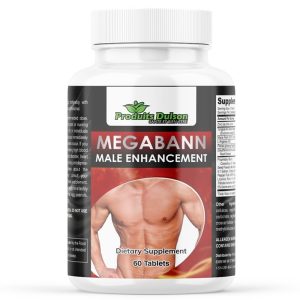
Megabann Male Enhancement
The hormonal shifts and energy demands we discussed above are exactly what Megabann was formulated to address. This natural supplement brings together ingredients traditionally associated with male stamina and endurance, and it may complement the stress management and lifestyle adjustments that form the foundation of energy support after 40.
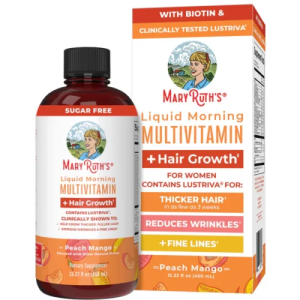
Liquid Morning Multi Vitamin
We covered how nutrient absorption declines after 40, making it harder for your body to extract what it needs from food alone. A liquid multivitamin may offer better bioavailability than tablets or capsules, and this formula is specifically designed to support morning energy — a practical foundation for the nutrient gaps we discussed.
Nutrient Absorption: The Invisible Bottleneck
This is the factor that catches most men off guard. You can eat a perfectly balanced diet and still develop nutrient insufficiencies after 40 — not because of what you eat, but because of how efficiently your body absorbs it.
Several changes in the digestive system contribute to this. Stomach acid production (hydrochloric acid) decreases with age, which impairs the absorption of B12, iron, calcium, and zinc. The intestinal lining becomes less efficient at transporting nutrients into the bloodstream. And if you take common medications like proton pump inhibitors (PPIs) for acid reflux, the absorption reduction is even more pronounced.
| Nutrient | Role in Male Energy | Why It Declines After 40 | Food Sources |
|---|---|---|---|
| Zinc | Testosterone production, immune function | Reduced stomach acid, lower dietary intake | Oysters, beef, pumpkin seeds |
| Vitamin B12 | Red blood cell formation, nerve function, energy | Declining intrinsic factor, reduced stomach acid | Meat, fish, dairy, eggs |
| Magnesium | Muscle function, sleep quality, 300+ enzyme reactions | Soil depletion, processed food diets, stress-induced depletion | Dark leafy greens, nuts, seeds |
| Vitamin D | Testosterone support, mood regulation, bone health | Less outdoor time, reduced skin synthesis with age | Sunlight, fatty fish, fortified foods |
| CoQ10 | Mitochondrial energy production, antioxidant | Natural production declines with age, statin use depletes it | Organ meats, sardines, peanuts |
This is one area where supplementation can make a practical difference. When absorption is the bottleneck, the form and delivery method of a supplement matters. Liquid formulas, for example, may bypass some of the absorption challenges that tablets face. Chelated minerals (where the mineral is bound to an amino acid) tend to be better absorbed than their oxide forms. These details matter more after 40 than they did at 25.
If you are interested in learning more about our approach to natural wellness, visit the Dulson Sante blog for additional articles on nutrition and supplementation.
Which Type of Energy Loss Are You Experiencing?
Not all fatigue is the same. Identifying which type you are dealing with helps you target your response more effectively. Here is a practical framework for self-assessment.
Physical Exhaustion Pattern
- You feel tired in your body, not your mind
- Workouts that used to be easy now drain you
- Recovery takes noticeably longer than it used to
- You feel physically heavy or sluggish, especially after meals
Most likely drivers: Mitochondrial decline, nutrient depletion (especially magnesium, B12, iron), insufficient protein intake, or over-training without adequate recovery.
Mental Fog Pattern
- You struggle to focus past early afternoon
- Reading or complex tasks feel harder than they should
- You forget things you normally would not
- Decision-making feels exhausting
Most likely drivers: Blood sugar instability, poor sleep architecture (not enough deep sleep), chronic low-grade inflammation, or B-vitamin deficiencies.
Motivational Flatness Pattern
- You have the energy to do things but not the desire
- Activities you used to enjoy feel like obligations
- Your drive and ambition feel muted
- You feel emotionally flat rather than sad
Most likely drivers: Testosterone-to-cortisol imbalance, dopamine depletion from chronic stress or over-stimulation, or vitamin D deficiency.
Most men experience a combination of two or more patterns. That is normal — and it is actually useful information. When you can identify your primary pattern, you can prioritize your interventions more effectively rather than trying to fix everything at once.
Lifestyle Adjustments That Research Actually Supports
Before reaching for any supplement, these are the changes with the strongest evidence behind them for men over 40.
Strength Training 2-3 Times Per Week
Resistance exercise has consistently been associated with supporting healthy testosterone levels in men over 40. Compound movements — squats, deadlifts, rows, presses — appear to produce the strongest hormonal response. You do not need to train like a competitive athlete. Moderate intensity, consistently applied, is what matters.
Sleep Architecture, Not Just Duration
It is not enough to be in bed for eight hours. Deep sleep (stages 3 and 4) is when the majority of testosterone production and growth hormone release occurs. If you are getting seven hours of fragmented sleep, you may be missing the most restorative phases entirely. A cool room (65-68 degrees F), total darkness, and a consistent sleep time are the biggest levers.
Strategic Eating, Not Just Healthy Eating
After 40, meal timing and composition matter more. Front-loading protein (30-40g at breakfast and lunch) may support muscle maintenance and stable energy. Keeping dinner lighter and earlier can improve sleep quality. And including healthy fats at every meal supports hormone production and nutrient absorption.
Active Recovery and Stress Modulation
The days of training hard seven days a week are over. Recovery is where adaptation happens. Active recovery — walking, stretching, light swimming — on non-training days supports blood flow and reduces cortisol. Even a daily 15-minute walk after dinner has been associated with improved blood sugar regulation and cortisol reduction.
Natural Allies for Your Daily Routine
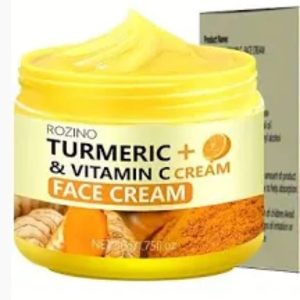
Rozino Turmeric
We discussed how chronic low-grade inflammation after 40 can impair energy production and hormonal balance. Turmeric — specifically its active compound curcumin — has been widely studied for its traditional anti-inflammatory properties. Rozino Turmeric may serve as a natural complement to the recovery and stress-reduction strategies outlined above.
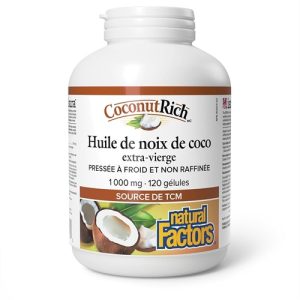
Huile de Noix de Coco
The strategic eating approach we covered emphasizes healthy fats for hormone production and nutrient absorption. Pure coconut oil provides medium-chain triglycerides (MCTs) that are quickly converted to energy — making it a practical addition to morning smoothies or cooking, and a natural way to support the fat-soluble nutrient absorption that declines with age.
Natural Ingredients Worth Understanding
If you are considering natural supplementation as part of your energy support plan, it helps to understand what the most common ingredients actually do — and what the evidence says about them.
| Ingredient | Traditional Use | Research Status |
|---|---|---|
| Ashwagandha (KSM-66) | Stress reduction, energy, vitality | Multiple human trials suggest it may help reduce cortisol and support testosterone in stressed men |
| Tongkat Ali (Eurycoma longifolia) | Male energy, hormonal support | Some studies indicate it may support free testosterone levels; more research needed |
| Zinc (as picolinate or citrate) | Immune function, testosterone production | Well-established role in testosterone synthesis; deficiency clearly linked to lower levels |
| Magnesium (glycinate or threonate) | Muscle relaxation, sleep, enzyme function | Strong evidence for sleep quality and muscle function; some data on testosterone support |
| Vitamin D3 | Bone health, mood, immune function | Research associates adequate levels with better testosterone levels in deficient men |
A few important notes about these ingredients. First, the form matters — zinc picolinate is generally better absorbed than zinc oxide, for instance. Second, dosage matters — many supplements include the right ingredients at doses too small to match what was used in research studies. And third, consistency matters — most of these ingredients need 4-8 weeks of daily use before meaningful effects become apparent.
⚠️ Important: If you take blood pressure medications, blood thinners, or diabetes drugs, consult your healthcare provider before starting any supplement. Some natural ingredients — including ashwagandha and high-dose zinc — may interact with common medications.

Mistakes That Make Low Energy Worse After 40
Working in natural wellness, we see certain patterns that tend to backfire for men over 40. Avoiding these can save you time, money, and frustration.
🚨 Caution: Over-reliance on caffeine to compensate for poor sleep creates a vicious cycle — the caffeine disrupts your sleep further, which increases cortisol, which suppresses testosterone, which drains energy. It is a downward spiral disguised as a temporary fix.
Training too hard without recovering. At 25, you could crush a workout and bounce back by tomorrow. At 45, that same intensity without adequate recovery may elevate cortisol, break down muscle, and leave you more depleted than before. Smart recovery is not lazy — it is strategic.
Cutting calories too aggressively. Men over 40 who dramatically reduce calories to lose belly fat often unintentionally tank their testosterone. The body interprets severe caloric restriction as a famine signal and down-regulates reproductive hormones. A moderate deficit of 300-500 calories per day, combined with adequate protein, is far more sustainable and hormone-friendly.
Ignoring sleep apnea. Untreated sleep apnea is one of the most common — and most underdiagnosed — causes of fatigue in men over 40. If your partner reports that you snore heavily, stop breathing during sleep, or gasp awake, get evaluated. No supplement in the world can compensate for oxygen deprivation during sleep.
Supplement stacking without a plan. Taking six different supplements because each one individually sounded promising is not a strategy. Some ingredients compete for absorption (zinc and copper, for example). Others overlap in function. Start with one or two targeted additions, give them 6-8 weeks, and evaluate before adding more.
Benefits and Limitations of Natural Energy Support
Honest expectations lead to better outcomes. Here is a balanced view of what natural energy support can and cannot do for men over 40.
What Natural Support May Offer
- Filling documented nutrient gaps that worsen with age
- Supporting the body’s own hormonal production rather than replacing it
- Fewer side effects compared to pharmaceutical interventions
- Complementing lifestyle changes for a multi-angle approach
- Some ingredients have decades of traditional use and growing research
- Available without a prescription for sub-clinical energy issues
What It Cannot Do
- Replace medical treatment for diagnosed testosterone deficiency
- Work overnight — most ingredients need consistent use for weeks
- Compensate for chronic sleep deprivation or extreme stress
- Guarantee specific results — individual responses vary significantly
- Substitute for professional diagnosis of underlying conditions
- Overcome unhealthy diet and sedentary lifestyle on its own
The sweet spot is where solid lifestyle habits and well-chosen natural support overlap. Men who exercise consistently, sleep well, manage stress, eat nutrient-dense food, and then add targeted supplementation to fill specific gaps — those are the men who tend to report the most meaningful improvements in energy, mood, and physical performance after 40.

Building Your Own Energy Support Plan
Here is a realistic, phased approach to improving your energy after 40. It is designed to be practical, not overwhelming.
Phase 1 — Assess (Weeks 1-2)
Get blood work done: total and free testosterone, vitamin D, B12, zinc, thyroid panel, and fasting glucose. Start tracking daily energy (1-10 scale) at morning, afternoon, and evening. Note your sleep quality and stress level each day. This baseline is invaluable.
Phase 2 — Foundation (Weeks 2-6)
Optimize sleep environment and timing. Begin or adjust a resistance training routine (2-3 sessions per week). Increase dietary protein to 1.4-1.6g per kg of body weight. Add one stress management practice daily (walking, breathing, or stretching).
Phase 3 — Supplement (Weeks 6-10)
Based on blood work and self-assessment, add one targeted supplement. If zinc or D are low, start there. If stress is your primary issue, consider an adaptogen like ashwagandha. If general nutrient support is needed, a high-quality multivitamin may be the best first step.
Phase 4 — Evaluate (Week 10+)
Compare current tracking data to your baseline. What improved? What did not? Adjust one variable at a time. Repeat blood work in 3-6 months to see objective changes alongside subjective improvements.
This is not a rigid protocol — it is a framework you can adapt to your life. The point is to be systematic rather than reactive. Men who approach their energy this way consistently report better outcomes than those who buy whatever supplement is trending and hope for the best.
If you need help deciding where to start, our team is available for personalized guidance. We genuinely enjoy helping men navigate these decisions.
Frequently Asked Questions
Is the energy decline after 40 inevitable?
Some biological changes — like declining NAD+ levels and gradually shifting hormone ratios — are part of normal aging and cannot be entirely prevented. However, the degree to which they affect your daily energy is heavily influenced by lifestyle factors. Men who prioritize sleep, exercise, nutrition, and stress management consistently report significantly better energy levels than sedentary peers of the same age. The decline is not as steep or as disabling as marketing would have you believe.
Should every man over 40 take a testosterone supplement?
No. Not every man over 40 has clinically low testosterone, and not every energy complaint is testosterone-related. Blood work is the starting point. If your levels are within a normal range, the fatigue is more likely driven by other factors — sleep quality, nutrient gaps, stress, or mitochondrial decline. Targeted natural support for those specific issues may be more appropriate than jumping straight to a testosterone-focused supplement. Always discuss with your healthcare provider.
How long does it take to see improvement with lifestyle changes?
Sleep improvements often produce noticeable effects within 1-2 weeks. Exercise-related energy gains typically take 3-4 weeks of consistent training. Nutritional changes and supplementation usually need 4-8 weeks to show measurable differences. The cumulative effect of addressing multiple factors simultaneously tends to be greater than the sum of individual changes. Our natural wellness products are designed to support this multi-factor approach.
What is the most common cause of fatigue in men over 40?
There is rarely a single cause. The most common combination is poor sleep quality plus chronic stress plus one or more nutrient deficiencies. Men often focus on testosterone because it is the most talked-about factor, but in practice, sleep and stress are the biggest levers for most men. Getting these two right often produces more noticeable improvement than any single supplement.
« Age-related decline in testosterone is associated with increased visceral fat, reduced lean mass, decreased bone mineral density, and impaired quality of life in men. »
— The New England Journal of Medicine, « Testosterone and Aging » review (2004)
🌿 Explore Our Natural Products
⚠️ Disclaimer: The information in this article is provided for educational purposes only and does not constitute medical advice. Always consult a qualified healthcare professional before starting any supplement or making changes to your health routine. Individual results may vary. These statements have not been evaluated by the Food and Drug Administration. This product is not intended to diagnose, treat, cure, or prevent any disease.