
Prostate Health After 40: The Early Signs Men Often Ignore
By the time most men start thinking about their prostate, they have already been brushing off subtle signals for years. Here is what those early changes actually mean — and why catching them early matters more than you think.
In This Article
- Why Nobody Talks About the Prostate Until Something Goes Wrong
- What Your Prostate Actually Does (And How It Changes)
- The Subtle Signs That Start in Your 40s
- Benign vs. Concerning: How to Tell the Difference
- Risk Factors That Speed Up Prostate Changes
- Daily Habits That May Support Prostate Health
- What to Look for in Natural Prostate Support
- Common Mistakes Men Make About Prostate Health
- Benefits and Honest Considerations of Early Awareness
- When to See a Doctor: A Practical Checklist
- Frequently Asked Questions
Here is a scenario that plays out thousands of times every day. A man in his mid-40s notices he is getting up once or twice at night to use the bathroom. He chalks it up to drinking water before bed. A few months later, his stream seems a bit weaker than it used to be. He does not mention it to anyone — not his wife, not his doctor. It just feels like a small thing, an inconvenience he can live with.
But it is not nothing. And the fact that so many men treat these early signs as background noise is exactly why prostate issues often go unaddressed until they become genuinely disruptive. At Dulson Sante, we believe that understanding your body early gives you more choices later — and that information should be honest, practical, and free of scare tactics.
This article walks through the real changes that happen to your prostate after 40, the specific signs worth paying attention to, and what you can do right now to support long-term comfort. We are not here to diagnose anything or replace your doctor. We are here to fill the gap between « everything is fine » and « you need surgery » — because for most men, the truth lives somewhere in between.

Why Nobody Talks About the Prostate Until Something Goes Wrong
Let us be honest. The prostate is not something most men grow up learning about. Unlike heart health or cholesterol, there is no mainstream cultural conversation around prostate wellness in your 30s and 40s. It usually enters the picture only when something becomes impossible to ignore — frequent trips to the bathroom, discomfort, or an unexpected finding during a routine exam.
ℹ️ Did You Know: According to the American Urological Association, benign prostatic hyperplasia (BPH) affects roughly 50% of men between ages 51 and 60, and up to 90% of men over 80. Yet awareness of early prostate changes in the 40s remains remarkably low.
Part of the problem is cultural. Men tend to avoid discussing urinary symptoms because they feel embarrassing or like an admission of aging. And the medical system itself does not always help — routine prostate screening conversations typically start at 50, leaving a full decade of subtle changes undiscussed. Communities like r/Supplements on Reddit are full of men in their 40s asking basic questions about prostate health that should have been answered years earlier.
The reality is that prostate changes begin well before 50 for many men. Recognizing them early is not about panicking. It is about making informed decisions while you still have the most options available.
What Your Prostate Actually Does (And How It Changes)
Your prostate is a walnut-sized gland located just below the bladder, surrounding the urethra — the tube that carries urine out of your body. Its primary role is producing seminal fluid, but its location is what makes it so relevant to urinary health. When the prostate grows, even slightly, it can squeeze the urethra and affect how easily urine flows.
~50%
Percentage of men aged 51-60 who experience some degree of prostate enlargement — American Urological Association
According to medical literature on the prostate gland, growth typically begins around age 25 and accelerates after 40. This growth is primarily driven by dihydrotestosterone (DHT), a potent form of testosterone produced by the enzyme 5-alpha-reductase. As DHT levels interact with prostate tissue over decades, gradual enlargement occurs — a process called benign prostatic hyperplasia, or BPH.
The word « benign » matters here. BPH is not cancer. It is not a precursor to cancer. It is simply a normal part of aging for most men. But that does not mean you should ignore it, because the symptoms it causes — particularly around urination — can genuinely affect your quality of life if left unmanaged.
The Subtle Signs That Start in Your 40s
This is where things get practical. Most articles on prostate health list symptoms that sound dramatic — complete urinary retention, blood in the urine, severe pain. Those are real, but they are late-stage indicators. The early signs are much more mundane, which is exactly why they get brushed off.
💡 Good to Know: The earliest prostate changes often feel more like minor inconveniences than medical symptoms. That is precisely why they get normalized and ignored — sometimes for years before a man brings them up with a healthcare provider.
Hesitancy at the Start
You step up to the urinal and there is a pause — a second or two longer than it used to be — before the stream begins. It is so subtle that most men do not notice it consciously. But if you think about it, you might realize it has been happening for a while.
Post-Void Dribble
You finish, zip up, and then feel a few drops. It is not incontinence in the traditional sense. It happens because the urethra is slightly compressed by an enlarging prostate, trapping a small amount of urine that releases when you move. Annoying? Yes. Alarming? Usually not — but it is a signal worth noting.
Stream Strength Changes
Your stream is not what it once was. It might be thinner, weaker, or less forceful. Some men describe it as « taking longer to finish. » This is one of the most common early BPH signs, and it tends to progress gradually enough that you adapt without realizing it.
Nighttime Bathroom Trips
Getting up once at night occasionally is not unusual. But if it becomes a pattern — one or two trips every night, consistently — that is called nocturia, and it is one of the most disruptive early prostate symptoms because it fragments your sleep. We cover this in more detail in our article on nighttime urination and everyday comfort.
Urgency Without Volume
You feel like you need to go — urgently — but when you get there, the output is surprisingly small. This disconnect between the urgency signal and actual bladder volume is classic early BPH. The enlarged prostate irritates the bladder wall, triggering the urge even when the bladder is not full.
Natural Support Worth Exploring
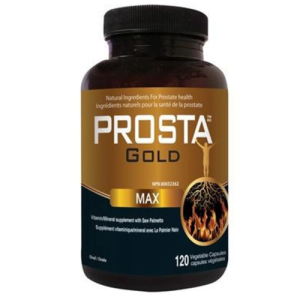
Prosta Gold
If the early signs we just covered sound familiar — the hesitancy, the weaker stream, the nighttime trips — Prosta Gold combines saw palmetto, pygeum, and zinc into a single daily formula. These are some of the most researched natural ingredients for prostate comfort, and this supplement is designed to support the kind of long-term prostate wellness we are discussing throughout this article.
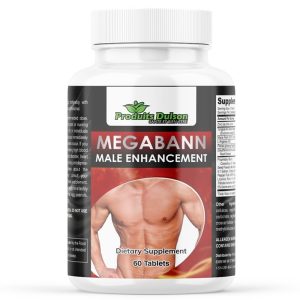
Megabann Male Enhancement
Prostate changes often coincide with broader shifts in male vitality — energy, stamina, and overall well-being. Megabann brings together natural ingredients traditionally associated with male endurance and performance. It may complement a prostate-focused routine by addressing the broader vitality picture that tends to shift in your 40s and beyond.
Benign vs. Concerning: How to Tell the Difference
This is the question every man quietly asks himself: is this normal aging, or is something actually wrong? The good news is that the vast majority of prostate changes in your 40s and 50s fall into the « benign » category. But it helps to know what the dividing lines look like.
| Symptom | Likely Benign (BPH) | Worth Discussing With a Doctor |
|---|---|---|
| Weak stream | Gradual onset over months/years | Sudden onset or complete inability to urinate |
| Nighttime urination | 1-2 trips, consistent pattern | 3+ trips, accompanied by pain or burning |
| Urgency | Occasional, manageable with timing | Severe urgency with inability to hold |
| Post-void dribble | Minor, a few drops | Large volume or continuous leakage |
| Pain or burning | Not typical of BPH | Any pain during urination warrants evaluation |
| Blood in urine | Not typical of BPH | Any visible blood requires prompt medical attention |
🚨 Caution: While BPH is the most common cause of urinary changes in men over 40, some symptoms overlap with more serious conditions. Blood in the urine, pain during urination, unexplained weight loss, or severe back/pelvic pain should always be evaluated by a healthcare professional promptly. Early evaluation leads to better outcomes regardless of the cause.
The key distinction is pattern vs. alarm. Gradual, slowly progressing changes that you can manage day to day are typical of BPH. Sudden changes, pain, blood, or symptoms that rapidly worsen call for a medical conversation sooner rather than later.
Risk Factors That Speed Up Prostate Changes
Not every man experiences prostate changes at the same rate. Genetics play a role — if your father or brother dealt with BPH early, your odds are higher. But several modifiable factors can accelerate or slow the process.
Key Risk Factors for Accelerated Prostate Changes
- Family history of BPH or prostate conditions
- Obesity — excess body fat may increase estrogen levels, which can stimulate prostate growth
- Sedentary lifestyle — reduced blood flow to the pelvic region
- High-sugar, high-processed-fat diet — associated with increased inflammation markers
- Chronic stress — elevated cortisol may influence hormonal pathways that affect prostate tissue
- Excessive alcohol consumption — particularly beer, which contains phytoestrogens
- Untreated metabolic conditions — diabetes and cardiovascular disease are associated with higher BPH rates
Research published in the Journal of Urology (2014) found that men with metabolic syndrome were significantly more likely to develop symptomatic BPH than men without it. This suggests that prostate health is not isolated — it connects to your cardiovascular health, weight management, and metabolic function in ways that are still being mapped out.
The practical takeaway? Many of the same things that support heart health and metabolic balance — regular movement, a nutrient-dense diet, stress management, and quality sleep — may also support prostate health. It is not a separate project; it is part of the same project.

Daily Habits That May Support Prostate Health
You do not need a complete lifestyle overhaul to make a difference. Small, consistent habits can add up in meaningful ways. Here is what the evidence suggests may help, framed as a practical daily routine rather than a disconnected list of tips.
Morning: Move Your Body
Even 20-30 minutes of moderate exercise — a brisk walk, cycling, swimming — improves pelvic blood flow and may help reduce BPH symptom severity. A study in the Journal of Physical Activity and Health (2019) found that men who exercised regularly had lower rates of symptomatic BPH compared to sedentary peers.
Midday: Focus on Anti-Inflammatory Foods
Load up on tomatoes (lycopene), cruciferous vegetables like broccoli, fatty fish, and nuts. These foods contain compounds that have been associated in observational studies with lower prostate inflammation markers. Think of it as feeding your prostate what it needs to stay comfortable.
Afternoon: Manage Your Fluid Timing
You do not need to drink less water overall — but shifting more of your fluid intake to the morning and early afternoon, while tapering off in the evening, can significantly reduce nighttime bathroom trips. This is one of the simplest and most effective behavioral strategies for nocturia.
Evening: Limit Caffeine and Alcohol
Both caffeine and alcohol are bladder irritants. Having your last coffee by 2 PM and limiting evening alcohol can make a noticeable difference in urgency and nighttime frequency. You do not have to eliminate them — just be strategic about timing.
You can explore more specific daily strategies in our blog section dedicated to men’s wellness, where we cover fluid timing, pelvic exercises, and dietary patterns in greater detail.
What to Look for in Natural Prostate Support
If you are considering a supplement to complement your daily habits, it helps to know what the research actually supports. Not all prostate supplements are created equal, and the label alone will not tell you the full story.
| Ingredient | Traditional Use | Research Status |
|---|---|---|
| Saw Palmetto | Urinary flow, prostate comfort | Multiple studies; most promising as liposterolic extract (85-95% fatty acids) |
| Pygeum Africanum | Reducing nighttime urination | Cochrane review found modest benefits for urinary symptoms |
| Zinc | Prostate tissue health | Prostate tissue contains high zinc concentrations; deficiency linked to increased risk |
| Stinging Nettle Root | Urinary frequency, BPH support | Some clinical trials show benefit, especially combined with saw palmetto |
| Beta-Sitosterol | Urinary flow improvement | Cochrane review found significant improvement in urinary symptom scores |
When reading labels, look for standardized extracts with clearly stated percentages. For saw palmetto, a liposterolic extract standardized to 85-95% fatty acids and sterols is considered the gold standard in research. Generic « saw palmetto powder » without standardization is a different and potentially less effective product. If you want to learn more about evaluating supplement quality, our team is always happy to help.
Common Mistakes Men Make About Prostate Health
Even well-intentioned men fall into patterns that undermine their prostate wellness efforts. Recognizing these common pitfalls can save you time, money, and frustration.
⚠️ Important: Self-diagnosing based on internet searches is one of the most common and potentially harmful mistakes. Urinary symptoms can have multiple causes — some benign, some requiring treatment. A proper evaluation with a healthcare provider is always the safest first step.
Mistake 1: Waiting for Symptoms to Become Severe
Many men adopt a wait-and-see approach that turns into wait-and-forget. The problem is that BPH symptoms tend to progress gradually, and what feels tolerable at first can eventually disrupt your sleep, social life, and daily routine. Addressing things early typically means more options and simpler solutions.
Mistake 2: Reducing Fluid Intake Drastically
Some men respond to frequent urination by drinking less water overall. This is counterproductive. Dehydration concentrates your urine, which can irritate the bladder and actually increase urgency. The smart approach is timing, not restriction.
Mistake 3: Choosing Supplements Based on Marketing Alone
Proprietary blends, vague dosage information, and buzzwords like « maximum strength » are not substitutes for transparent labeling and clinically relevant ingredient doses. A good prostate supplement tells you exactly what is inside and at what amounts.
Mistake 4: Ignoring the Bigger Picture
A supplement alone — no matter how well formulated — is unlikely to make a meaningful difference if your sleep, diet, movement, and stress levels are working against you. Natural prostate support works best as part of a broader approach, not a standalone fix.
Benefits and Honest Considerations of Early Awareness
Taking prostate health seriously in your 40s is one of those decisions that does not feel urgent now but can pay real dividends down the road. That said, it is worth being honest about what early awareness can and cannot do.
Benefits of Early Attention
- More time to implement lifestyle changes that may slow progression
- Better sleep when nocturia is addressed early
- Peace of mind from knowing your baseline
- More treatment options available when caught at mild stages
- Opportunity to distinguish benign changes from anything that needs monitoring
- Improved daily comfort and confidence
Honest Considerations
- Not all prostate changes require intervention — some men live comfortably with mild BPH indefinitely
- Natural supplements may support comfort but are not guaranteed solutions
- Screening tests like PSA have limitations and can produce false positives
- Anxiety about prostate health can sometimes be more disruptive than the symptoms themselves
- Individual results with any approach vary significantly based on genetics and overall health
When to See a Doctor: A Practical Checklist
We are big believers in personal awareness and natural support at Dulson Sante. But we are also honest about the limits. There are situations where the right move is a conversation with a urologist, and delaying that conversation helps no one.
Schedule a Doctor Visit If You Notice:
- Blood in your urine or semen — even once
- Pain or burning during urination that does not resolve quickly
- Complete inability to urinate (acute urinary retention — this is an emergency)
- Waking up 3 or more times per night consistently to urinate
- Symptoms that appeared suddenly rather than gradually
- Unexplained pain in your lower back, hips, or pelvis
- A family history of prostate cancer, especially in first-degree relatives
- Any symptom that is causing significant anxiety or affecting your quality of life
A baseline PSA test and digital rectal exam in your 40s — while not the most pleasant experience — gives your doctor a reference point to track changes over time. Think of it like establishing a credit score: the number itself matters less than how it trends. Early baselines make future conversations much more productive.
✅ The Bottom Line: Most prostate changes in your 40s are benign and manageable. Early awareness, healthy daily habits, and targeted natural support may help you stay comfortable for years to come. And knowing when to involve a professional gives you the best of both worlds — personal empowerment and medical safety.

Get Personalized Wellness Guidance →
Frequently Asked Questions
At what age should men start paying attention to their prostate?
While formal screening conversations typically begin at 50 (or 40-45 for men with higher risk factors like family history), subtle prostate changes can start in the early 40s. Paying attention to urinary patterns — stream strength, nighttime frequency, any changes in comfort — is a simple way to stay aware without stressing about it. If anything concerns you, bring it up with your doctor at your next visit.
Is BPH the same as prostate cancer?
No. Benign prostatic hyperplasia (BPH) is a non-cancerous enlargement of the prostate gland. It is extremely common as men age and is not considered a precursor to cancer. That said, BPH and prostate cancer can coexist, which is one reason regular check-ups matter. Your doctor can help distinguish between the two through appropriate testing. You can browse natural prostate support options for comfort while staying on top of regular screenings.
Can diet really affect prostate health?
Observational research suggests that diets rich in fruits, vegetables (especially tomatoes and cruciferous vegetables), healthy fats, and adequate zinc may be associated with better prostate health outcomes. Conversely, diets high in processed meats, excess dairy, and refined sugars have been linked to increased inflammation. No single food will make or break your prostate health, but patterns over time appear to matter.
How long does it take for natural prostate supplements to work?
Most studies on ingredients like saw palmetto and pygeum assess outcomes over 8 to 12 weeks of consistent daily use. Some men report noticing subtle improvements sooner, while others take longer. The key word is consistent — sporadic use is unlikely to produce meaningful results. If you do not notice any change after 3 months of daily use, it may be worth discussing alternative approaches with your healthcare provider.
Should I take saw palmetto on its own or in a combination formula?
Research suggests that combination formulas — pairing saw palmetto with ingredients like pygeum, zinc, and nettle root — may offer broader support than any single ingredient alone. Each ingredient appears to address a slightly different mechanism, and some studies suggest synergistic effects. A well-formulated combination product with transparent dosing is generally a practical and research-informed choice.
« Benign prostatic hyperplasia is one of the most common conditions affecting aging men, and early recognition of symptoms combined with lifestyle modifications may significantly improve quality of life outcomes. »
— National Institute of Diabetes and Digestive and Kidney Diseases (NIDDK), NIH
🌿 Explore Our Natural Products →
⚠️ Disclaimer: The information in this article is provided for educational purposes only and does not constitute medical advice. Always consult a qualified healthcare professional before starting any supplement or making changes to your health routine. Individual results may vary. These statements have not been evaluated by the Food and Drug Administration. This product is not intended to diagnose, treat, cure, or prevent any disease.