Saw Palmetto, Pygeum, Zinc, and Nettle: A Practical Guide to Prostate Support
These four ingredients appear in nearly every prostate supplement on the market. But what does the research actually say about each one, how much do you need, and what should you look for on the label? Here is the honest breakdown.
In This Article
- Why These Four Ingredients Keep Showing Up Together
- Saw Palmetto: The Most Studied Prostate Ingredient
- Pygeum Africanum: The Bark Extract With European Roots
- Zinc: The Mineral Your Prostate Needs Most
- Stinging Nettle Root: The Underrated Player
- How These Ingredients Work Together
- How to Read a Prostate Supplement Label
- Common Mistakes When Choosing Prostate Ingredients
- Benefits and Honest Limitations
- Drug Interactions and Safety Considerations
- Frequently Asked Questions
Walk into any supplement aisle or scroll through any online wellness store, and you will notice something: prostate support formulas tend to feature the same core ingredients. Saw palmetto, pygeum, zinc, and nettle root appear again and again, across brands, across price points, across countries. That kind of consistency is not accidental — it reflects decades of research, traditional use, and real-world experience.
But here is the problem. Most articles about these ingredients either isolate them in separate pieces — « everything you need to know about saw palmetto » in one place, « the benefits of zinc » in another — or lump them together with vague claims and no specifics. Neither approach helps you make an informed decision. At Dulson Sante, we wanted to build something more useful: a consolidated reference that explains what each ingredient does, what the research supports, what dosages have been studied, and what to look for on a label.
Whether you are already taking a prostate supplement and want to understand what is in it, or you are considering one for the first time, this guide gives you the factual foundation to evaluate your options honestly. No exaggeration. No miracle claims. Just the information you deserve.

Why These Four Ingredients Keep Showing Up Together
Before we break down each ingredient individually, it is worth understanding why formulators combine them rather than selling each one separately. The answer comes down to complementary mechanisms of action.
ℹ️ Did You Know: The prostate is affected by multiple biological pathways simultaneously — hormonal conversion (DHT), inflammation, smooth muscle tension, and cellular proliferation. No single ingredient addresses all of these pathways, which is why combination formulas have become the standard approach in natural prostate support research.
Think of it like a team sport. Saw palmetto may primarily influence DHT conversion. Pygeum appears to address inflammation and nocturnal urine production. Zinc supports prostate tissue integrity at the cellular level. And nettle root seems to influence hormone binding and smooth muscle relaxation. Each brings something different to the table, and the combination aims to cover more ground than any single ingredient could alone.
This is not marketing theory — it reflects how clinical trials have evolved. Early studies tested single ingredients. More recent research increasingly evaluates combinations, with several trials suggesting that multi-ingredient formulas may produce better outcomes than monotherapy. A 2019 review in the Journal of Herbal Medicine noted that combination phytotherapy for BPH symptoms showed « promising results warranting further investigation, » particularly when saw palmetto was paired with nettle or pygeum.
Communities like r/Supplements on Reddit frequently debate single-ingredient vs. combination approaches, and the consensus among experienced users tends to align with the research: combinations, when properly dosed, seem to offer broader support.
Saw Palmetto: The Most Studied Prostate Ingredient
If prostate supplements had a lead actor, it would be saw palmetto. Extracted from the berries of the Serenoa repens plant native to the southeastern United States, saw palmetto has been studied more extensively than any other natural prostate ingredient.
320mg
Most commonly studied daily dose of saw palmetto liposterolic extract for BPH symptoms
What It Does
Saw palmetto’s primary mechanism appears to be the inhibition of 5-alpha-reductase, the enzyme that converts testosterone to dihydrotestosterone (DHT). DHT is the primary driver of prostate cell growth, and reducing its production is the same strategy used by prescription medications like finasteride — though saw palmetto does so more gently and with fewer reported side effects.
According to published research on saw palmetto extract, the ingredient may also have anti-inflammatory properties and may help relax smooth muscle tissue in the lower urinary tract, which could contribute to improved urine flow.
What the Research Says
The evidence is mixed but generally positive when proper extracts are used. A 2012 Cochrane review found that saw palmetto did not significantly outperform placebo, but critics noted that the review included studies using inconsistent extract types. Subsequent research — including a 2020 study in European Urology — found that a specific liposterolic extract at 320mg daily significantly improved International Prostate Symptom Scores (IPSS) over 24 weeks.
What to Look for on the Label
This is where most supplements fail. Generic « saw palmetto berry powder » is not the same as a liposterolic extract standardized to 85-95% fatty acids and sterols. The extract form is what has been studied in clinical trials. If a label does not specify « liposterolic extract » or a standardization percentage, you are likely getting an inferior product.
Pygeum Africanum: The Bark Extract With European Roots
Pygeum (Prunus africana) has a long history of use in traditional African medicine and became widely popular in Europe — particularly France — during the 1960s for urinary and prostate complaints. It is extracted from the bark of the African cherry tree and has been the subject of several dozen clinical trials.
What It Does
Pygeum appears to work through multiple mechanisms. It contains phytosterols (particularly beta-sitosterol) that may have anti-inflammatory effects on prostate tissue. It also contains pentacyclic triterpenes, which some research suggests may help inhibit prostate cell proliferation. Additionally, pygeum has been shown in some studies to reduce residual urine volume and improve nocturnal urine output.
What the Research Says
A 2002 Cochrane review analyzed 18 randomized controlled trials involving over 1,500 men and concluded that pygeum provided « a moderately large improvement in the combined outcome of urological symptoms and flow measures. » Men taking pygeum were more than twice as likely to report overall improvement in symptoms compared to placebo.
💡 Good to Know: Pygeum is one of the few natural prostate ingredients with a Cochrane review showing a meaningful benefit over placebo. The typical studied dose is 75-200mg per day of standardized bark extract, often split into two doses.
Sustainability Concern
One issue worth mentioning: Prunus africana is considered a vulnerable species due to overharvesting. Reputable supplement brands source pygeum from sustainably managed plantations rather than wild-harvested bark. If sustainability matters to you — and it should — look for brands that address their sourcing practices.
Products Featuring These Key Ingredients
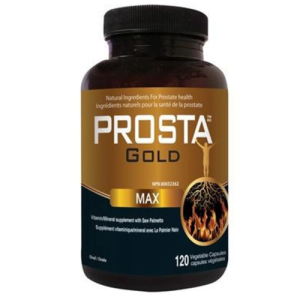
Prosta Gold
The ingredients we have been discussing — saw palmetto, pygeum, zinc, and nettle — are exactly what you will find in Prosta Gold. Rather than buying each ingredient separately, this formula brings them together in a single daily supplement designed for prostate comfort. It is a practical option if the research above resonates with where you are in your wellness journey.
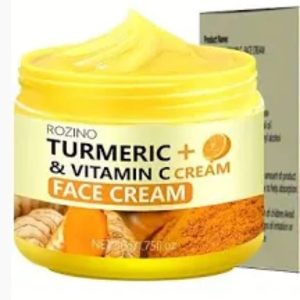
Rozino Turmeric
Inflammation is a common thread running through prostate changes, and turmeric — specifically curcumin — is one of the most studied natural anti-inflammatory compounds. If you are looking to complement prostate-specific ingredients with broader inflammation support, Rozino Turmeric may be a worthwhile addition to your daily routine.
Zinc: The Mineral Your Prostate Needs Most
Zinc might be the most overlooked ingredient in prostate health — partly because it is a common mineral rather than an exotic botanical, and partly because its role is more foundational than flashy. But the science behind zinc and prostate tissue is genuinely compelling.
The Prostate-Zinc Connection
Here is something remarkable: the prostate gland contains the highest concentration of zinc of any organ in the human body — roughly 10 times more than most other tissues. This is not coincidental. Zinc plays a critical role in prostate cell metabolism, particularly in regulating citrate production and cellular apoptosis (programmed cell death that prevents excessive growth).
10x
Higher zinc concentration in prostate tissue compared to most other organs — Journal of Biological Chemistry
What Happens When Zinc Is Low
Studies published in the Journal of Biological Chemistry and Prostate journal have shown that zinc levels in BPH and prostate cancer tissue are significantly lower than in healthy prostate tissue. While this does not prove that zinc supplementation prevents prostate issues, it does suggest that maintaining adequate zinc status is important for prostate tissue function.
Dosage and Forms
The Recommended Dietary Allowance (RDA) for zinc in adult men is 11mg per day. Prostate support supplements typically include 15-30mg per day. Zinc picolinate, zinc citrate, and zinc glycinate are generally considered more bioavailable than zinc oxide. The upper tolerable intake is 40mg daily — exceeding this chronically can interfere with copper absorption, so more is not necessarily better.
⚠️ Important: High-dose zinc supplementation (above 40mg/day) over extended periods can deplete copper stores, leading to anemia and neurological issues. If your prostate supplement contains zinc and you are also taking a multivitamin with zinc, calculate your total daily intake to stay within safe limits. Consult your healthcare provider if unsure.
Stinging Nettle Root: The Underrated Player
Stinging nettle (Urtica dioica) is the ingredient most people overlook when reading a prostate supplement label. That is partly a naming problem — « stinging nettle » does not sound particularly therapeutic — and partly because it has received less individual attention than saw palmetto. But the research on nettle root for prostate health is surprisingly solid.
Root vs. Leaf: This Distinction Matters
The first thing to understand is that nettle root and nettle leaf are different products with different applications. Nettle leaf is traditionally used for its anti-inflammatory and antihistamine properties — helpful for allergies and joint comfort. Nettle root, by contrast, is the part studied for prostate and urinary health. If your supplement label says « nettle leaf » or just « nettle extract » without specifying root, it may not deliver the same prostate-relevant benefits.
Nettle Root: Key Label Checkpoints
- Must specify « root extract » — not leaf, not aerial parts
- Typical research dose: 300-600mg per day of root extract
- Often standardized to specific lignan or polysaccharide content
- Most studied in combination with saw palmetto for BPH symptoms
- Should be from Urtica dioica species specifically
What the Research Suggests
A randomized, double-blind study published in Phytomedicine (2005) found that nettle root extract significantly improved IPSS scores, urinary flow rate, and residual urine volume compared to placebo over six months. A separate 2013 study in the Iranian Red Crescent Medical Journal found that nettle root was effective in alleviating lower urinary tract symptoms associated with BPH.
The proposed mechanism involves nettle root’s interaction with sex hormone-binding globulin (SHBG) and its potential to inhibit aromatase — the enzyme that converts testosterone to estrogen. Both of these pathways are relevant to prostate tissue growth. It may also have direct anti-inflammatory effects on prostate tissue.
How These Ingredients Work Together
Now that we have covered each ingredient individually, let us look at the big picture. The reason combination formulas dominate the prostate supplement market is not laziness or marketing — it is because these ingredients address different parts of the same problem.
| Ingredient | Primary Mechanism | Key Research Dose | What It Addresses |
|---|---|---|---|
| Saw Palmetto | 5-alpha-reductase inhibition | 320mg liposterolic extract | DHT-driven prostate growth, urinary flow |
| Pygeum | Anti-inflammatory, reduces nocturnal output | 75-200mg bark extract | Inflammation, nighttime urination, residual urine |
| Zinc | Cellular metabolism, apoptosis regulation | 15-30mg (picolinate/citrate) | Prostate tissue health, cellular integrity |
| Nettle Root | SHBG binding, aromatase inhibition | 300-600mg root extract | Hormone balance, smooth muscle relaxation |
🔬 Single Ingredient Approach
- Targets one pathway at a time
- Easier to isolate effects
- May require higher individual doses
- Limited coverage of multiple mechanisms
🌿 Combination Formula Approach
- Addresses multiple pathways simultaneously
- Lower individual doses may be needed
- Mirrors how clinical research has evolved
- More convenient — one product instead of four
The practical advantage of a well-formulated combination product is simplicity. Rather than managing four separate supplements with different dosing schedules, a single formula that combines clinically relevant amounts of each ingredient streamlines the process. The key phrase is « clinically relevant amounts » — and that is where label literacy becomes essential.

How to Read a Prostate Supplement Label
The supplement industry allows a frustrating amount of ambiguity on labels. Knowing what to look for — and what red flags to avoid — can be the difference between a product that may genuinely support your prostate and one that is mostly filler.
Check for Standardized Extracts
Raw plant powders and standardized extracts are not the same. Standardized extracts guarantee a minimum concentration of active compounds. For saw palmetto, look for « liposterolic extract, 85-95% fatty acids. » For pygeum, look for standardized bark extract. If the label just says « saw palmetto berry » without standardization, the active compound content is unknown.
Verify Individual Dosages
Beware the proprietary blend trap. If a label lists « Prostate Support Blend: 500mg » and then lists saw palmetto, pygeum, zinc, nettle, and three other ingredients — you have no way of knowing how much of each is included. The total could be 400mg of the cheapest ingredient and 10mg of everything else. Transparent labeling lists each ingredient and its dose individually.
Compare to Research Doses
Cross-reference the label dose against what clinical trials actually used. If the studied dose of saw palmetto is 320mg and your supplement contains 50mg, you are not getting what the research tested. Use the table in section 6 as your reference.
Look for Third-Party Testing
Certifications like USP Verified, NSF Certified for Sport, or ConsumerLab approval indicate that an independent lab has verified the product contains what the label claims. This is not a guarantee of effectiveness, but it is a guarantee of honesty — and in the supplement industry, that is worth paying attention to.
If you have questions about specific ingredients or want help evaluating a product, our team at Dulson Sante is available to help. We believe in informed customers, not confused ones.
Common Mistakes When Choosing Prostate Ingredients
After years of helping men navigate the supplement landscape, we have seen the same mistakes repeated over and over. Avoiding these can save you money and frustration.
🚨 Caution: The most expensive supplement is not automatically the best, and the cheapest is not necessarily the worst. Price alone tells you nothing about ingredient quality, dosing accuracy, or extract standardization. Always evaluate the label before the price tag.
Mistake 1: Confusing Leaf and Root Extracts
As we covered in the nettle section, nettle leaf and nettle root serve different purposes. The same applies to other botanicals — the plant part matters. Always confirm that the label specifies the correct plant part for prostate applications.
Mistake 2: Expecting Overnight Results
Most clinical trials on prostate ingredients evaluate outcomes over 8-24 weeks. If you try a supplement for two weeks and conclude it does not work, you have not given it enough time. Consistency matters more than dose stacking. Set realistic expectations: gradual improvement, not dramatic overnight change.
Mistake 3: Taking Prostate Supplements Instead of Seeing a Doctor
Natural supplements may support prostate comfort, but they are not a substitute for medical evaluation — especially if your symptoms are moderate to severe, rapidly worsening, or accompanied by warning signs like blood in the urine. Supplements and medical care are complementary, not competing approaches.
Mistake 4: Ignoring Drug Interactions
Saw palmetto may interact with blood thinners and hormonal medications. Zinc competes with copper and certain antibiotics for absorption. Nettle root may affect blood sugar and blood pressure medications. If you take prescription drugs, review any new supplement with your pharmacist or doctor first.

Benefits and Honest Limitations
We want to be straightforward about what these ingredients can and cannot do. Overpromising is the fastest way to lose trust, and trust is everything when it comes to health decisions.
What the Evidence Supports
- Saw palmetto may improve urinary symptom scores and flow rate in men with mild to moderate BPH
- Pygeum has Cochrane-level evidence for modest improvement in urological symptoms
- Zinc is essential for prostate tissue health and is often low in men with prostate issues
- Nettle root shows promise in clinical trials for LUTS reduction, especially paired with saw palmetto
- Combination formulas may offer broader support than any single ingredient alone
- Generally well-tolerated with fewer side effects than prescription alternatives
Honest Limitations
- Large-scale, long-term studies are still limited for most of these ingredients
- Results are not guaranteed and vary significantly between individuals
- Product quality varies widely — not all supplements contain what they claim
- These ingredients do not treat or cure prostate cancer or advanced BPH
- They work best as part of a broader lifestyle approach, not as standalone solutions
- Some studies show modest effects that may not be clinically meaningful for all men
Drug Interactions and Safety Considerations
Natural does not mean risk-free. Before adding any prostate supplement to your routine, be aware of potential interactions — especially if you take prescription medications.
| Ingredient | Potential Interactions | Precautions |
|---|---|---|
| Saw Palmetto | Blood thinners (warfarin), hormonal therapies, finasteride | Discontinue 2 weeks before surgery; consult doctor if on hormonal medications |
| Pygeum | Limited known interactions; may enhance effects of anti-androgens | Generally well-tolerated; mild GI discomfort possible |
| Zinc | Copper absorption, antibiotics (tetracycline, quinolones), penicillamine | Take zinc 2 hours apart from antibiotics; monitor copper with chronic use above 25mg |
| Nettle Root | Blood pressure medications, diabetes drugs, lithium, blood thinners | May lower blood sugar and blood pressure; monitor if on related medications |
⚠️ Important: Pregnant or nursing women should not take prostate supplements. Men with scheduled surgeries should discontinue saw palmetto at least two weeks prior due to potential blood-thinning effects. Anyone on prescription medications should consult their healthcare provider or pharmacist before starting a new supplement.
Being informed about these interactions is not meant to scare you away from natural support — it is meant to help you use it safely and effectively. A quick conversation with your pharmacist can clarify whether any of your current medications interact with prostate supplement ingredients. Learn more about our approach to transparent, quality-tested products by visiting our wellness shop.
Frequently Asked Questions
Can I take saw palmetto and finasteride together?
This is a question for your prescribing doctor, not the internet. Both saw palmetto and finasteride influence the 5-alpha-reductase pathway, so combining them could theoretically amplify effects or side effects. Some urologists are comfortable with the combination at adjusted doses; others prefer one or the other. Do not combine them without medical guidance.
How long does it take for prostate supplements to show results?
Most clinical trials evaluate outcomes at 8 to 24 weeks. The general recommendation is to give a well-formulated supplement at least 8-12 weeks of consistent daily use before assessing results. Some men notice changes in nighttime frequency within 4-6 weeks, while others take longer. If you see no improvement after 3 months, consult your healthcare provider about alternative approaches. You can explore our prostate support options to find a formula with the ingredients discussed in this article.
Is it better to take these ingredients separately or in a combination product?
For most men, a well-formulated combination product is more practical and cost-effective than buying four separate supplements. The key is ensuring the combination product uses clinically relevant doses of each ingredient — not token amounts hidden in a proprietary blend. If a combination product lists each ingredient with its individual dose and uses standardized extracts, it is generally a sound choice.
Are there foods that provide these same ingredients naturally?
Zinc is readily available from oysters, beef, pumpkin seeds, and lentils. However, saw palmetto, pygeum, and nettle root are not common food sources — they require extraction and concentration to reach the doses used in research. A zinc-rich diet is a great foundation, but supplementation is the practical route for the botanical ingredients. That said, an overall nutrient-dense diet rich in lycopene (tomatoes), healthy fats, and cruciferous vegetables supports prostate health through complementary pathways.
Do these ingredients affect PSA test results?
Saw palmetto may lower PSA levels slightly, similar to its pharmaceutical counterpart finasteride. This is important to know because a lower PSA reading could mask a meaningful change. If you are taking saw palmetto and undergoing PSA screening, inform your doctor so they can interpret your results accurately. Zinc, pygeum, and nettle root are not known to significantly affect PSA levels.
« Phytotherapeutic agents, particularly combinations of saw palmetto with nettle root or pygeum, represent a viable option for men with mild to moderate lower urinary tract symptoms who seek alternatives to pharmacotherapy. »
— World Journal of Urology, Review of Phytotherapy in BPH Management, 2020
🌿 Explore Our Natural Products →
⚠️ Disclaimer: The information in this article is provided for educational purposes only and does not constitute medical advice. Always consult a qualified healthcare professional before starting any supplement or making changes to your health routine. Individual results may vary. These statements have not been evaluated by the Food and Drug Administration. This product is not intended to diagnose, treat, cure, or prevent any disease.