
Women’s Emotional Wellness and Sexual Well-Being: Why They Are More Connected Than You Think
Research consistently shows that emotional health and intimate satisfaction share the same neurochemical pathways — yet most wellness advice treats them as entirely separate goals. Here is why that matters and what you can do about it.
In This Article
- The Hidden Link Between Emotions and Intimacy
- How Dopamine, Oxytocin, and Serotonin Shape Your Experience
- What Daily Emotional States Actually Do to Desire
- The Stress-Arousal Connection Most Articles Miss
- Signs Your Emotional Health May Be Affecting Intimacy
- Lifestyle Strategies That Support Both at Once
- Nutrition and Nutrients That May Play a Role
- Common Mistakes Women Make When Addressing These Issues
- Weighing the Benefits and Honest Considerations
- Building a Daily Routine That Works for You
- Frequently Asked Questions
If you have ever noticed that your interest in intimacy tracks closely with how you are feeling emotionally — not just on a given night, but over weeks and months — that observation is far more scientifically grounded than most people realize. Your emotional landscape and your intimate well-being are not two separate departments running independently. They share the same wiring.
The problem is that conventional wellness advice tends to split them apart. You get stress management tips in one article and intimacy advice in another, as if they have nothing to do with each other. At Dulson Sante, we believe that understanding the connection is the first step toward actually improving both — without gimmicks, without pressure, and without anyone telling you something is wrong with you.
This article walks through the neuroscience that ties emotional wellness and sexual well-being together, breaks down the specific brain chemicals involved, and offers practical steps you can take starting today. No clinical jargon, no shame, and no oversimplified answers. Just honest information drawn from real research.

The Hidden Link Between Emotions and Intimacy
ℹ️ Did You Know? A study published in the Journal of Sexual Medicine found that emotional well-being was a stronger predictor of sexual satisfaction in women than physical health markers alone. The brain is not just involved — it is often the primary driver.
When researchers study female sexual response, one finding comes up again and again: context matters more than mechanics. Unlike what popular media often implies, desire in women is rarely just a physical switch that flips on or off. It is deeply embedded in emotional state, sense of safety, self-perception, and relational dynamics.
This is not a weakness or a complication. It is actually how the brain is designed to work. The limbic system — the part of your brain that processes emotions — is directly wired into the neural circuits that govern arousal and pleasure. When emotional well-being is high, those circuits flow more freely. When stress, sadness, or emotional fatigue dominate, those same circuits narrow.
According to research documented on women’s health, this interplay between emotional and sexual function has been recognized in clinical literature for decades, yet it remains poorly communicated to the general public. Most women learn about it through their own lived experience long before they ever read about it.
That gap between what science knows and what most women hear is exactly what this article aims to fill. You deserve a clear, honest explanation — not a lecture, and not a product pitch disguised as health advice.
How Dopamine, Oxytocin, and Serotonin Shape Your Experience
Three neurochemicals stand at the center of the emotional-intimacy connection. Understanding what each one does — and how they interact — gives you a genuine framework for making sense of your own patterns.
Dopamine: The Anticipation Chemical
Dopamine is often called the « pleasure molecule, » but that is a simplification. It is really about anticipation, motivation, and reward-seeking behavior. When dopamine levels are healthy, you feel curious, engaged, and drawn toward pleasurable experiences — including intimacy. When dopamine is depleted (often through chronic stress, poor sleep, or monotony), desire itself can feel flat. Not painful, not sad — just absent. Many women describe it as « I do not feel like myself, but I cannot point to a specific problem. »
Oxytocin: The Bonding Signal
Oxytocin is released during physical touch, emotional closeness, and intimate experiences. But here is the part that matters: it also primes the brain to want more closeness. It is a feedback loop. Positive emotional interactions raise oxytocin, which lowers stress hormones, which makes you more open to connection, which raises oxytocin further. The reverse is equally true — emotional withdrawal or sustained conflict can suppress this loop over time.
Serotonin: The Mood Stabilizer
Serotonin regulates mood, emotional resilience, and a general sense of well-being. When serotonin is adequate, you are better able to handle stress without it dominating your emotional landscape. Interestingly, some SSRIs (selective serotonin reuptake inhibitors) used for depression can reduce sexual desire as a side effect — which highlights just how tightly these systems are linked. If you are on any medication, always discuss changes with your healthcare provider before adjusting anything.
3
Key neurochemicals — dopamine, oxytocin, and serotonin — form the biological bridge between emotional wellness and intimate well-being in women
These three chemicals do not operate in isolation. They form an interconnected web. Dopamine fuels the desire to seek connection, oxytocin deepens it, and serotonin provides the emotional stability that allows both to function. When one drops, the others tend to follow. That is why you cannot meaningfully address intimate well-being without addressing emotional health — they run on the same fuel.
What Daily Emotional States Actually Do to Desire
You do not need a traumatic event to disrupt this neurochemical balance. Everyday emotional patterns — the kind most women consider « normal » — can gradually shift the system toward disengagement. Here is how.
💡 Good to Know: Researchers at the Kinsey Institute have emphasized that « responsive desire » — desire that emerges in response to emotional and physical context rather than spontaneously — is the predominant pattern for many women. This means emotional atmosphere matters enormously.
Consider what a typical high-stress week looks like: poor sleep on Monday and Tuesday, an emotionally draining meeting on Wednesday, guilt about not exercising on Thursday, and by Friday evening you are running on fumes. Your cortisol has been elevated for days, your dopamine is depleted, and your body has been in a low-grade fight-or-flight state. In that context, the absence of desire is not a dysfunction. It is your nervous system making a rational decision — survival mode does not prioritize pleasure.
Communities like r/WomensHealth on Reddit are filled with women describing exactly this pattern. They feel perfectly healthy on paper but notice that desire, energy, and emotional openness have quietly dimmed. And because nothing is technically « wrong, » they often do not seek help or assume it is just aging. It usually is not.
The cumulative nature of these everyday emotional drains is what most wellness content misses. It is rarely one big thing. It is dozens of small things, day after day, slowly shifting your neurochemistry toward conservation mode. The good news: this also means small, consistent changes can shift it back.
Natural Support Worth Exploring
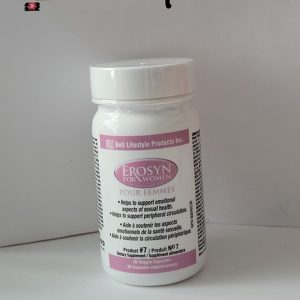
Erosyn For Women
The connection between emotional wellness and intimate comfort that we just explored is exactly what Erosyn was designed to support. This vegetarian capsule formula uses plant-based ingredients traditionally associated with female vitality and mood balance. It may complement the lifestyle strategies we discuss throughout this article — without replacing the fundamentals.
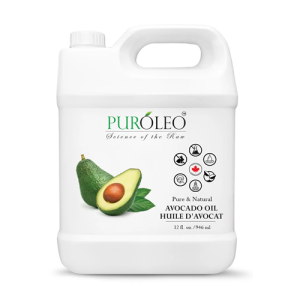
Puroleo
Sensory self-care — touch, scent, comfort — feeds directly into the oxytocin loop we discussed above. Puroleo is a concentrate of essential and plant oils formulated to soothe and nourish the skin. Integrating it into a calming evening routine may help create the kind of relaxed emotional context that supports overall well-being.
The Stress-Arousal Connection Most Articles Miss
You have probably read the generic advice: « reduce stress to improve your love life. » But let us go deeper, because the mechanism is specific and understanding it changes how you approach solutions.
Chronic stress triggers the hypothalamic-pituitary-adrenal (HPA) axis, resulting in sustained cortisol release. Cortisol is a catabolic hormone — it breaks things down rather than building them up. Among its many effects, elevated cortisol suppresses the production of sex hormones, reduces blood flow to non-essential organs (including pelvic regions), and shifts the nervous system toward sympathetic dominance (the « fight or flight » branch).
| Stress Response | What It Does | Impact on Well-Being |
|---|---|---|
| Elevated cortisol | Suppresses sex hormone production | May reduce desire and mood stability |
| Sympathetic dominance | Activates fight-or-flight state | Reduces relaxation needed for arousal |
| Vasoconstriction | Narrows blood vessels | May reduce pelvic circulation and comfort |
| Sleep disruption | Fragments restorative sleep stages | Depletes dopamine and serotonin reserves |
| Gut-brain axis disruption | Alters serotonin synthesis | May worsen mood instability |
What most articles skip is this: the nervous system needs to be in a parasympathetic state — the « rest and digest » branch — for arousal to even begin. You cannot will your body into desire while your nervous system is sounding alarm bells. This is not a matter of mindset. It is physiology.
That is why « just relax » is not useful advice. You need specific tools to shift your nervous system from sympathetic to parasympathetic — and those tools work best when they are practiced regularly, not just employed in the moment. We will get to those in the lifestyle section below.

Signs Your Emotional Health May Be Affecting Intimacy
Sometimes the connection between emotional wellness and intimate well-being is obvious — a period of grief, a job loss, a relationship conflict. But more often, the signals are subtle. Here is what to watch for.
Patterns That May Signal an Emotional-Intimacy Connection
- You used to look forward to intimacy, but now it feels like another item on your to-do list
- You feel emotionally flat — not depressed exactly, but like the color has been dialed down
- Physical touch that used to feel good now feels neutral or even irritating
- You find yourself avoiding closeness without a clear reason
- Your sleep has been fragmented or unrefreshing for weeks
- You feel disconnected from your own body — going through motions rather than being present
- Small frustrations feel larger than they should, and your patience is short
None of these alone means something is clinically wrong. But when several show up together and persist for more than a few weeks, your neurochemistry may be signaling that it needs support — not through willpower, but through genuine changes in how you are living day to day.
⚠️ Important: If you experience persistent changes in mood, desire, or emotional well-being that last more than a few weeks, or if these changes are accompanied by other symptoms, please speak with a qualified healthcare provider. This article is educational — it is not a substitute for professional evaluation.
Lifestyle Strategies That Support Both at Once
Here is where things get practical. The most effective strategies are the ones that feed into emotional wellness and intimate well-being simultaneously — because, as we have established, they share the same systems. You do not need separate routines for each.
Prioritize Sleep Quality Over Sleep Quantity
It is not just about eight hours. Deep sleep (stages 3 and 4) is when your brain replenishes serotonin and dopamine precursors. Consistent bed and wake times, a cool dark room, and limiting screens 60 minutes before sleep may improve both mood resilience and desire over time. A study in the Journal of Sexual Medicine (2015) found that each additional hour of sleep was associated with a 14% increase in the likelihood of next-day sexual engagement.
Move Your Body — But Not Only for Fitness
Exercise is one of the most potent natural dopamine boosters available. But the type matters. Moderate-intensity movement — walking, yoga, swimming, dancing — tends to support parasympathetic recovery better than high-intensity training alone. Aim for 20 to 30 minutes most days. The goal is not burning calories; it is shifting your nervous system state.
Build Micro-Connection Habits
Oxytocin responds to small, consistent doses of connection — not just grand gestures. A two-minute hug, making eye contact during conversation, a brief hand-holding walk. These micro-moments keep the bonding loop active even during busy or stressful periods. They are easy to skip, but their absence compounds.
Practice Nervous System Regulation
Breathing techniques that extend the exhale (like 4-7-8 breathing) activate the vagus nerve and shift you toward parasympathetic dominance. Even five minutes a day can lower baseline cortisol over time. This is not meditation advice — it is a direct physiological intervention.
These strategies are not about adding more to your plate. They are about doing a few things differently within the life you already have. Small shifts, done consistently, can meaningfully change the neurochemical environment your emotional and intimate well-being depend on. You can explore more practical wellness insights on our blog for additional guidance.
Products That May Complement Your Routine
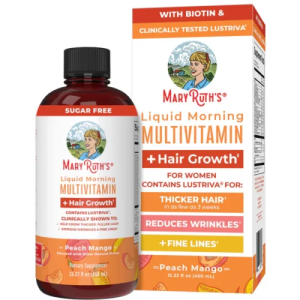
Liquid Morning Multi Vitamin
The neurochemical pathways we discussed — dopamine, serotonin, oxytocin — all rely on adequate B vitamins, zinc, and magnesium as cofactors. This liquid multivitamin delivers essential nutrients in an easily absorbed format, making it a practical morning foundation. It may help fill everyday nutritional gaps that contribute to low energy and mood fluctuations.

Insulated Bottle
Hydration is one of the simplest factors that affects mood, energy, and circulation — all of which connect to the emotional-intimacy pathway. This insulated tumbler with handle and reusable straw makes consistent water intake easier throughout the day. Sometimes the smallest habits create the most reliable shifts.
Nutrition and Nutrients That May Play a Role
What you eat directly affects your neurochemistry. Not in a dramatic, overnight way — but consistently, over weeks and months. Certain nutrients serve as building blocks for the very chemicals we have been discussing.
| Nutrient | Role in Emotional-Intimate Wellness | Common Food Sources |
|---|---|---|
| Omega-3 fatty acids | May support serotonin receptor function and reduce inflammation | Salmon, sardines, walnuts, flaxseed |
| Zinc | Involved in hormone production and neurotransmitter synthesis | Pumpkin seeds, oysters, lentils, beef |
| Magnesium | May support nervous system relaxation and cortisol regulation | Dark chocolate, almonds, spinach, avocado |
| Vitamin B6 | Required for serotonin and dopamine synthesis | Chickpeas, tuna, potatoes, bananas |
| Iron | Low levels associated with fatigue and reduced energy | Red meat, lentils, fortified cereals, spinach |
| Vitamin D | May influence mood regulation and hormonal balance | Sunlight exposure, fortified milk, egg yolks |
A diet built around whole foods, adequate protein, healthy fats, and colorful vegetables will cover most of these bases. Supplements may help fill specific gaps — particularly for nutrients like vitamin D and magnesium, which many women are insufficient in — but they work best alongside a solid dietary foundation, not as a replacement for one.
If you suspect a deficiency, a simple blood panel through your doctor can confirm it. That is always a smarter starting point than guessing. You can also reach out to our team for personalized guidance on building a routine that fits your needs.
Common Mistakes Women Make When Addressing These Issues
Good intentions can still lead you in the wrong direction if the underlying framework is off. Here are the most common missteps we see.
🚨 Caution: Treating intimate well-being as an isolated physical issue while ignoring emotional patterns is like trying to fix a car’s engine warning light by replacing the bulb. The light is not the problem — it is the signal.
Searching for a Single Fix
The biggest mistake is looking for one supplement, one technique, or one conversation that will resolve everything. Emotional and intimate well-being are systems, not switches. They respond to consistent patterns, not one-time interventions.
Comparing Yourself to an Earlier Version
Your body, your hormonal landscape, and your life circumstances are different now than they were five or ten years ago. Trying to recreate the exact experience you had at 25 is not a realistic goal — but feeling vital, connected, and satisfied absolutely is. It just may look different.
Ignoring the Emotional Side
Skipping straight to physical solutions — whether supplements, exercises, or medical interventions — without examining the emotional context is like building a house without checking the foundation. If chronic stress, unresolved conflict, or emotional depletion is the root driver, physical interventions alone are unlikely to produce lasting results.
Waiting Too Long to Ask for Help
Many women wait months or even years before talking to a healthcare provider about changes in desire or emotional well-being. There is no threshold you need to meet. If something feels different and it bothers you, that is reason enough to have the conversation.
Weighing the Benefits and Honest Considerations
Taking a unified approach to emotional and intimate wellness has clear advantages. But it is only fair to present the full picture.
Benefits
- Addressing root causes rather than surface symptoms may produce more lasting results
- Lifestyle strategies like sleep, movement, and stress management are free and low-risk
- Improved emotional wellness tends to ripple into other areas — energy, relationships, self-esteem
- Plant-based supplements with transparent ingredients offer gentle, non-pharmaceutical support
Things to Consider
- Lifestyle changes take weeks to months before noticeable shifts occur — patience is required
- Supplements are not a substitute for addressing underlying medical conditions
- Emotional patterns tied to relationship dynamics may require couples counseling or therapy
- Hormonal changes during perimenopause or menopause may require medical evaluation
Honest self-assessment is the starting point. If your patterns feel manageable and you want to optimize, lifestyle strategies and gentle supplementation may be a good fit. If something feels deeply off or has changed significantly, please prioritize a conversation with your doctor. Both paths are valid.
Gentle Additions for Your Wellness Routine
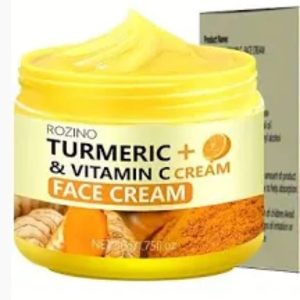
Rozino Turmeric
Chronic low-grade inflammation is one of the hidden contributors to both mood disruption and reduced circulation that we explored in this article. Turmeric has been traditionally used for its potential anti-inflammatory and antioxidant properties. Rozino Turmeric may complement a balanced lifestyle by supporting the body’s natural response to everyday oxidative stress.

Avocado Oil
We discussed how omega-rich fats and vitamin E support the neurochemical pathways involved in mood and intimate wellness. Avocado oil is a versatile source of monounsaturated fats and fat-soluble vitamins that you can use in cooking or as a skin-nourishing topical — two self-care practices that feed back into the well-being loop.
Building a Daily Routine That Works for You
If all of this feels like a lot, here is a simplified framework. You do not need to overhaul your life. You need a few anchor habits that consistently support the emotional-intimate connection we have been discussing.
Morning: Set the Neurochemical Tone
Sunlight within the first 30 minutes of waking helps regulate cortisol and serotonin rhythms. Pair it with a nutrient-dense breakfast and your preferred multivitamin. This combination primes your brain for better mood regulation throughout the day.
Midday: Move and Reset
A 20-minute walk, stretching session, or yoga flow around lunchtime activates dopamine production and breaks the cortisol accumulation that builds during a sedentary morning. It does not need to be a workout. It needs to be movement your body enjoys.
Evening: Wind Down With Intention
Dim the lights, put away screens, and create a transition ritual — a warm drink, a few minutes of journaling, a brief breathing exercise. This signals your nervous system that it is safe to shift into parasympathetic mode. Over time, this creates a consistent window of emotional openness and relaxation.
The key is consistency, not intensity. A routine you follow four days a week for three months will outperform an ambitious protocol you abandon after two weeks. Start where you are, adjust as you go, and notice what shifts. You can find supportive products at our shop to complement whatever routine you build.
Frequently Asked Questions
Can emotional stress really affect physical arousal?
Yes. The parasympathetic nervous system needs to be dominant for physical arousal to occur. Chronic emotional stress keeps the sympathetic (fight-or-flight) system activated, which physiologically suppresses arousal responses. This is well-documented in the Journal of Sexual Medicine and other clinical literature. It is not a mindset issue — it is a nervous system issue.
How long does it take for lifestyle changes to make a noticeable difference?
Most women report subtle shifts in mood and energy within two to four weeks of consistent changes to sleep, movement, and stress management. Meaningful changes in intimate well-being may take six to twelve weeks, since neurochemical recalibration is a gradual process. Patience is genuinely important here. If you want to explore supportive products alongside lifestyle changes, you can browse our natural wellness collection.
Are supplements enough on their own?
Supplements are designed to fill nutritional gaps, not replace a healthy lifestyle. They work best as part of a broader approach that includes quality sleep, regular movement, stress management, and adequate nutrition. Think of them as one layer in a multi-layer strategy — not the entire strategy.
When should I talk to a doctor instead of trying lifestyle changes?
If your changes in mood, desire, or well-being are sudden, severe, or accompanied by other symptoms (unexplained weight changes, extreme fatigue, persistent sadness), please speak with a healthcare provider. You should also consult a professional if you are on any medication, as drug interactions with supplements are a real consideration. Lifestyle changes and medical care are not mutually exclusive — they work together.
Does hormonal birth control affect the emotional-intimacy connection?
Some research suggests that hormonal contraceptives can influence libido and mood in certain women, likely through their effects on testosterone and serotonin pathways. This is highly individual — many women experience no changes at all. If you suspect your birth control may be a factor, discuss alternatives with your gynecologist rather than discontinuing on your own.
« Sexual health is a state of physical, emotional, mental, and social well-being in relation to sexuality; it is not merely the absence of disease, dysfunction, or infirmity. »
— World Health Organization (WHO), Working Definition of Sexual Health
🌿 Explore Our Natural Products →
⚠️ Disclaimer: The information in this article is provided for educational purposes only and does not constitute medical advice. Always consult a qualified healthcare professional before starting any supplement or making changes to your health routine. Individual results may vary. These statements have not been evaluated by the Food and Drug Administration. This product is not intended to diagnose, treat, cure, or prevent any disease.