
Everyday Factors That Can Affect Female Vitality, Mood, and Intimate Comfort
You do not need a diagnosis to feel like something is off. Ordinary daily habits — sleep patterns, hydration, how much you sit, what you eat — quietly shape your energy, emotional resilience, and intimate well-being more than most women realize.
In This Article
- Why « Nothing Is Wrong » Can Still Feel Wrong
- Sleep Quality and Its Ripple Effects on Vitality
- Hydration, Circulation, and How They Connect
- The Sedentary Trap and What It Does to Your Body
- Screen Time, Blue Light, and Your Nervous System
- Dietary Patterns That Quietly Drain or Sustain You
- How to Identify Your Personal Energy Drains
- Mistakes That Keep Women Stuck in Low-Vitality Patterns
- The Honest Pros and Cons of Lifestyle-First Approaches
- Putting It All Together: A Practical Weekly Framework
- Frequently Asked Questions
There is a particular kind of frustration that comes with feeling low-energy, emotionally flat, or disconnected from your body — when nothing on paper seems to explain it. Your bloodwork is fine. You are not depressed, exactly. You just feel like you are running at 60% instead of the version of yourself you remember.
If that sounds familiar, you are in very good company. Millions of women experience this pattern without ever seeking help because it does not feel severe enough to warrant a doctor’s visit. But here is what is worth knowing: the gap between « fine » and « vital » is usually filled by a dozen small daily habits — not a single medical condition. At Dulson Sante, we believe understanding those habits is the first step toward reclaiming the vitality you are missing.
This article covers the everyday factors that may be quietly affecting your energy, mood, and intimate comfort — and what you can realistically do about each one. No guilt trips, no miracle solutions, and no pretending that willpower alone fixes biochemistry.

Why « Nothing Is Wrong » Can Still Feel Wrong
ℹ️ Did You Know? According to research published in Women’s Health Issues (2019), fatigue and low energy are among the most commonly reported health concerns by women aged 30 to 55 — yet the majority do not have a diagnosable underlying condition. The cause is usually cumulative lifestyle factors.
The medical system is built around diagnoses. You have a condition or you do not. But vitality — that combination of physical energy, emotional buoyancy, and feeling at home in your body — does not fit neatly into diagnostic categories. You can be technically healthy and still feel like you are dragging yourself through the week.
What is actually happening, in many cases, is a slow accumulation of small deficits. Each one is minor on its own. A few nights of fragmented sleep here. Chronic mild dehydration there. Sitting for nine hours a day at work. Eating on the run instead of with intention. A social media habit that leaves you feeling worse, not better. None of these would show up on a lab report. But together, they shift your neurochemistry, your hormonal balance, and your nervous system state toward a lower baseline.
According to broader research on women’s health, this sub-clinical pattern of low vitality is increasingly recognized in integrative and functional medicine circles, even if conventional medicine is slower to address it. The good news: because the causes are cumulative and lifestyle-driven, the solutions tend to be within your control.
Sleep Quality and Its Ripple Effects on Vitality
You already know sleep matters. But let us get specific about why it matters for vitality, mood, and intimate comfort in particular — because it is not just about being « well-rested. »
During deep sleep (stages 3 and 4), your brain performs critical maintenance. It clears metabolic waste products, consolidates emotional processing, and replenishes neurotransmitter reserves — including serotonin and dopamine, the same chemicals that regulate mood and desire. When deep sleep is fragmented or shortened, these processes are incomplete. You wake up functional but not restored.
14%
Increase in likelihood of next-day sexual engagement for each additional hour of sleep — Journal of Sexual Medicine, 2015
For women specifically, sleep disruption has additional downstream effects. Poor sleep elevates cortisol, which can suppress sex hormone production. It reduces insulin sensitivity, which affects energy stability throughout the day. And it impairs the prefrontal cortex — the brain region responsible for emotional regulation — meaning you are more reactive, less patient, and more likely to feel overwhelmed by things that normally would not bother you.
The pattern is cyclical: poor sleep leads to elevated stress, which leads to poorer sleep the next night. Breaking that cycle usually requires changing the environment and the routine — not just trying harder to fall asleep.
What Actually Helps
Consistent sleep and wake times (even on weekends) do more for sleep architecture than any single supplement. A cool room (65 to 68 degrees Fahrenheit), darkness, and no screens for 45 to 60 minutes before bed allow melatonin production to rise naturally. If racing thoughts are the issue, a brief journaling practice — writing down tomorrow’s to-do list before bed — has been shown in research at Baylor University to reduce sleep onset latency.
Hydration, Circulation, and How They Connect
Dehydration is one of those factors that almost nobody thinks of as relevant to mood or intimate well-being. But the physiology is clear.
Even mild dehydration — losing just 1.5% of your body’s water content — has been associated with increased fatigue, reduced concentration, and worsened mood in studies published by the Journal of Nutrition (2012). Women appeared to be more susceptible to these effects than men in the same study.
Hydration also directly affects blood volume and circulation. When you are under-hydrated, blood becomes more viscous and circulation efficiency drops. This matters because adequate blood flow supports every system we have been discussing — from neurotransmitter delivery in the brain to pelvic tissue health. Reduced circulation can contribute to a general sense of heaviness, reduced sensitivity, and lower energy.
💡 Good to Know: Most women need roughly 9 cups (about 2.2 liters) of total fluid daily, according to the National Academies of Sciences. If you are physically active or live in a warm climate, your needs may be higher. The color of your urine — pale straw is the target — is a more practical gauge than counting cups.
The fix here is simple but requires a system. Keeping a water bottle visible and accessible throughout the day works better than trying to remember. Setting two or three hydration checkpoints — morning, midday, and mid-afternoon — builds the habit without making it another chore.
Support Your Daily Wellness Foundation
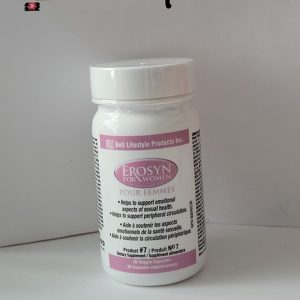
Erosyn For Women
The daily habits we just discussed — sleep quality, hydration, movement — form the foundation. Erosyn For Women is a vegetarian capsule formula designed to work alongside those foundations, with plant-based ingredients traditionally associated with female vitality and mood balance. It may offer gentle additional support for women who have the basics in place and want to go further.
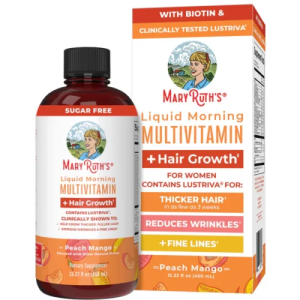
Liquid Morning Multi Vitamin
When nutrient absorption is part of the problem — and we explained why it often is — a liquid multivitamin can provide an efficient delivery method for essential vitamins and minerals. This formula is designed as a morning ritual: simple, easily absorbed, and formulated to support sustained energy through the day rather than a brief spike.
The Sedentary Trap and What It Does to Your Body
Sitting for prolonged periods is not just bad for your back. It has specific, measurable effects on the systems that govern vitality and well-being.
When you sit for more than 60 to 90 minutes without moving, several things happen. Blood pools in the lower extremities, reducing return flow to the heart. Metabolic rate drops. Insulin sensitivity decreases — which means your body handles glucose less efficiently, leading to energy dips and cravings. And pelvic blood flow is particularly affected by prolonged sitting, which may contribute to reduced sensitivity and comfort over time.
| Hours Seated Per Day | Potential Impact | Simple Countermeasure |
|---|---|---|
| 4 to 6 hours | Mild metabolic slowdown, some circulation reduction | Stand and walk for 5 minutes every hour |
| 6 to 8 hours | Noticeable energy dips, potential mood effects | Two 15-minute walks plus hourly standing breaks |
| 8 to 10+ hours | Significant circulation impact, increased cortisol | Standing desk, 30 minutes of structured movement daily |
The research on this is robust. A meta-analysis in the Annals of Internal Medicine (2015) found that prolonged sedentary time was associated with worse health outcomes independent of exercise — meaning that a morning workout does not fully offset eight hours of sitting. What does offset it: frequent movement breaks throughout the day. Even standing for two minutes every 30 minutes has been shown to improve circulation markers.
If your work requires sitting, this is not about blaming you for having a desk job. It is about building interruptions into your day that keep your systems running closer to their capacity. A timer on your phone, a standing desk, walking meetings — whatever fits your work environment.

Screen Time, Blue Light, and Your Nervous System
This factor surprises people. You would think staring at a phone is a passive, harmless activity. But your nervous system disagrees.
Scrolling social media — particularly content that triggers comparison, anxiety, or outrage — activates a mild but persistent stress response. Dopamine gets a tiny hit with each new post or notification, then immediately drops, creating a pattern that resembles the seek-reward-crash cycle seen in other compulsive behaviors. Over time, this can blunt your dopamine sensitivity, making it harder to find satisfaction in slower, richer experiences — including intimacy.
Blue light from screens in the evening has a well-documented effect on melatonin suppression. Research published in the Proceedings of the National Academy of Sciences (2014) showed that reading on a light-emitting device before bed shifted circadian timing, reduced melatonin production, and decreased next-morning alertness compared to reading a printed book. For women already struggling with sleep quality, this one factor alone can be a significant contributor.
⚠️ Important: Screen time affects mood in both direct ways (blue light, dopamine cycling) and indirect ways (replacing sleep, movement, and face-to-face connection). Reducing evening screen use by even 30 minutes can create a noticeable shift within one to two weeks.
The practical approach is not to demonize technology. It is to create boundaries that protect your neurochemistry. No screens for the last 45 to 60 minutes before bed. Phone-free meals. A morning routine that starts with sunlight and water rather than email and news. These are small architectural changes that compound.
Dietary Patterns That Quietly Drain or Sustain You
What you eat affects vitality through three main pathways: blood sugar stability, neurotransmitter production, and inflammation. Let us look at each briefly.
Blood Sugar Stability
A breakfast heavy in refined carbohydrates (cereal, white toast, juice) creates a rapid glucose spike followed by a crash — usually hitting around mid-morning. Your body compensates with cortisol and adrenaline to raise blood sugar again, and that stress hormone response makes you feel jittery, irritable, and tired in a specific, wired way. Swapping to protein-fat-fiber combinations in the morning may smooth this out significantly.
Neurotransmitter Building Blocks
Serotonin, dopamine, and other mood-regulating neurotransmitters are built from amino acids, B vitamins, iron, zinc, and magnesium. If your diet is low in protein diversity or consistently short on vegetables, your body may not have the raw materials it needs to keep these systems at optimal levels. This is not about eating perfectly — it is about eating sufficiently.
Chronic Low-Grade Inflammation
Diets high in processed foods, seed oils, added sugars, and ultra-processed snacks are associated with higher inflammatory markers (like C-reactive protein). Chronic inflammation may affect mood, energy, and circulation. An anti-inflammatory pattern — built around whole foods, omega-3 fats, colorful vegetables, and herbs like turmeric — may help counteract this over time.
Dietary Quick Wins for Vitality
- Start the day with protein (eggs, Greek yogurt, or a smoothie with protein powder)
- Include healthy fats at every meal (avocado, olive oil, nuts, seeds)
- Eat at least two servings of colorful vegetables daily
- Limit added sugar to occasional treats rather than daily staples
- Include omega-3 sources twice per week (salmon, sardines, or flaxseed)
Communities like r/WomensHealth on Reddit frequently discuss how small dietary changes shifted their energy and mood within weeks. The consistent theme: it is the overall pattern that matters, not individual meals. Perfection is not required. Consistency is.
Everyday Wellness Products to Consider
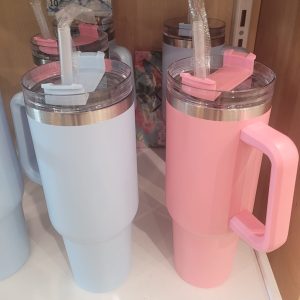
Insulated Bottle
We covered how even mild dehydration affects mood, energy, and circulation. This insulated tumbler with a handle and reusable straw makes staying hydrated easier throughout the day — a habit that sounds simple but produces real results when maintained consistently. Sometimes the most impactful changes are the least complicated ones.
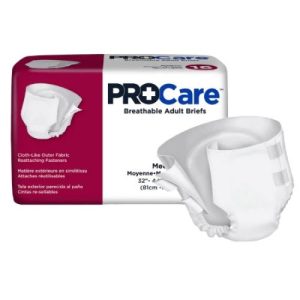
Breathable Adult Briefs
For women who experience occasional bladder sensitivity — a common and often undiscussed factor that can affect daily confidence and intimate comfort — these breathable briefs offer reliable, discreet protection. Feeling secure in your body is part of the vitality equation we have been discussing, and practical comfort solutions play a real role in that.
How to Identify Your Personal Energy Drains
The factors we have covered affect everyone differently. Your specific combination of drains is unique to your life, your body, and your routine. The most effective approach is to identify which ones are most relevant to you, then prioritize those.
Track Energy Patterns for One Week
Keep a simple log — morning, midday, and evening energy levels on a scale of 1 to 5. Note what you ate, how you slept, whether you moved, and how much screen time you had. Patterns will emerge quickly. Most women discover one or two factors that are disproportionately affecting them.
Identify Your Top Two Drains
Look at the data. Is your energy always lowest on days when you skipped lunch? Do you feel flat every morning after late-night scrolling? Are your worst mood days correlated with no movement? Pick the two most consistent patterns.
Make One Change Per Drain
For each of your top two drains, implement one specific, measurable change. Not « sleep better » — instead, « no screens after 9:30 PM. » Not « eat healthier » — instead, « protein at breakfast four days this week. » Specificity creates follow-through.
Reassess After Three Weeks
Give your changes enough time to show results. Neurochemical and metabolic patterns do not shift overnight. After three weeks, re-evaluate. If you notice improvement, maintain and consider addressing the next drain. If not, adjust the strategy or consult a professional.
This self-assessment approach is not a substitute for medical evaluation when needed. But for the majority of women in the « not sick but not thriving » space, it is an empowering starting point that puts you in the driver’s seat. Our wellness team is available if you want guidance along the way.
Mistakes That Keep Women Stuck in Low-Vitality Patterns
Awareness of the factors is one thing. Avoiding the traps that prevent real change is another. These are the most common ones we see.
🚨 Caution: The all-or-nothing mindset is the single biggest obstacle to sustained vitality improvements. Women who try to change everything at once almost always burn out and revert to old patterns within a few weeks.
Trying to Overhaul Everything at Once
New diet, new exercise routine, new sleep schedule, new supplements — all starting Monday. This approach sounds motivated, but it creates so much friction that abandonment is almost guaranteed. Focus on one or two changes at a time and build from there.
Blaming Age for Everything
Yes, hormonal changes are real and they matter. But many women attribute lifestyle-driven vitality loss entirely to aging — and then stop looking for actionable solutions. Age is a factor. It is rarely the only factor, and often not the primary one.
Relying on Caffeine Instead of Addressing Root Causes
Coffee is not the enemy. But using it to mask sleep deprivation, dehydration, or nutritional gaps creates a dependency loop that worsens the underlying problem. If you need more than two cups to function, that is a signal worth investigating — not a routine to normalize.
Dismissing Emotional Factors
Stress at work, relational tension, caregiver burnout, unprocessed grief — these are real physiological drains, not just « mental health stuff. » They affect cortisol, inflammatory markers, and neurotransmitter production. Addressing them is not optional for vitality. It is essential.
The Honest Pros and Cons of Lifestyle-First Approaches
We genuinely believe that lifestyle changes are the most powerful lever most women have. But honesty means acknowledging the limitations too.
Benefits
- Addresses root causes rather than masking symptoms
- Most changes are free or very low cost
- Improvements tend to be sustainable and compound over time
- Benefits extend beyond vitality — better sleep, mood, cognitive clarity, and physical health
- Low risk of side effects compared to pharmaceutical interventions
Things to Consider
- Results take weeks to months — instant gratification is not part of the package
- Requires consistency and self-awareness, which can be challenging during stressful periods
- Some factors (hormonal imbalances, thyroid issues, iron deficiency) require medical testing and treatment
- Social and structural barriers (caregiving, shift work, financial stress) can limit lifestyle flexibility
The most balanced approach combines lifestyle changes with professional guidance when needed. If you have been making consistent improvements for eight or more weeks and still feel stuck, that is a clear signal to involve your healthcare provider. And if supplements are part of your strategy, choosing quality-tested, transparent products matters more than choosing popular ones.

Putting It All Together: A Practical Weekly Framework
Here is a realistic framework that addresses the key factors we covered. It is designed to fit into an actual busy life — not a wellness retreat.
| Time of Day | Focus Area | Practical Action |
|---|---|---|
| Morning (within 30 min of waking) | Light, hydration, nutrition | Sunlight exposure, 16 oz water, protein-rich breakfast |
| Mid-morning | Movement | 5-minute standing or walking break |
| Lunch | Nutrition, hydration | Balanced meal with protein, fats, and vegetables; water refill |
| Mid-afternoon | Movement, energy | 15-minute walk or stretch; hydration check |
| Evening (after dinner) | Wind-down | Screens off 45 min before bed; warm drink or light stretching |
| Bedtime | Sleep environment | Cool room, darkness, consistent sleep time |
You do not need to follow this perfectly. Start with the two or three actions that address your biggest drains and build from there. The goal is consistency over time, not perfection in any given day. Your body responds to patterns — and shifting those patterns, even slightly, can produce meaningful results in how you feel, connect, and experience daily life.
If you want support along the way, our team is here. You can browse our blog for additional wellness insights or reach out directly for personalized guidance.
Frequently Asked Questions
Can dehydration really affect mood and energy that noticeably?
Yes. Research from the University of Connecticut’s Human Performance Laboratory showed that even mild dehydration — as little as 1.5% fluid loss — produced measurable declines in mood, concentration, and perceived energy in women. The effects were dose-dependent, meaning the more dehydrated you are, the worse you feel. Consistent hydration is one of the simplest and most impactful changes you can make.
How much exercise do I actually need to notice a difference?
Research consistently shows that 150 minutes per week of moderate activity (like brisk walking) is associated with significant improvements in mood, energy, and overall well-being. That breaks down to about 20 to 25 minutes daily. However, even 10-minute movement breaks throughout the day have been shown to improve circulation and metabolic markers. Start where you are — any movement is better than none.
Should I get blood work done before making lifestyle changes?
It depends. If your fatigue is persistent and severe, blood work is a smart first step to rule out thyroid disorders, iron deficiency, or vitamin D insufficiency. For mild, pattern-based fatigue that correlates with lifestyle factors (poor sleep, high stress, sedentary work), starting with lifestyle changes is reasonable and you can always get labs later if improvements plateau. You can also reach out to our wellness team for general guidance on where to start.
Can supplements help with low vitality, or should I rely on diet alone?
Diet should always be the foundation. But supplements can fill genuine gaps — especially for nutrients like vitamin D, magnesium, iron, and B vitamins that many women are insufficient in. The key is choosing products with transparent labeling, quality testing, and relevant ingredients rather than relying on marketing claims. Supplements work best as part of a broader lifestyle strategy, not as a standalone solution.
Is low intimate desire always a sign of a problem?
Not necessarily. Desire naturally fluctuates with stress levels, sleep quality, relational dynamics, hormonal cycles, and life stage. It becomes a concern when it persists in a way that bothers you or differs significantly from your own baseline. If it does, exploring the lifestyle factors in this article is a reasonable first step. If changes do not help after several weeks, a conversation with your healthcare provider can rule out hormonal or medical contributors.
« Health is a state of complete physical, mental and social well-being and not merely the absence of disease or infirmity. »
— World Health Organization (WHO), Constitution, 1948
🌿 Explore Our Natural Products →
⚠️ Disclaimer: The information in this article is provided for educational purposes only and does not constitute medical advice. Always consult a qualified healthcare professional before starting any supplement or making changes to your health routine. Individual results may vary. These statements have not been evaluated by the Food and Drug Administration. This product is not intended to diagnose, treat, cure, or prevent any disease.