
Coconut Oil, Avocado, and Turmeric: How to Build a Simple Natural Wellness Routine
Three ingredients. One routine. And a reason they work better together than any one of them works alone. Here is the practical plan most wellness guides never actually give you.
In This Article
- Why These Three Ingredients Belong Together
- The Science of Fat Carriers and Curcumin Absorption
- What Each Ingredient Brings to the Routine
- Your Daily Routine: Morning to Evening
- Your Weekly Schedule: What Goes Where
- Cooking With All Three: Recipes That Work
- Topical Care: Skin and Hair Applications
- Mistakes That Undermine the Combination
- Benefits and Honest Considerations
- How to Get Started This Week
- Frequently Asked Questions
If you have read anything about natural wellness in the past few years, you have almost certainly encountered coconut oil, avocado oil, and turmeric as individual recommendations. Each one has genuine merit on its own. But what nobody seems to explain well is why combining all three creates something more effective than using any single ingredient.
The answer is not marketing synergy — it is biochemistry. Coconut oil and avocado oil serve as fat carriers that dramatically improve your body’s ability to absorb curcumin, the active compound in turmeric. Without dietary fat, curcumin passes through your digestive system largely unabsorbed. With the right fats at the right time, absorption increases meaningfully.
At Dulson Sante, we have been working with all three of these ingredients for a while now, and we have seen firsthand how a structured routine — not random, occasional use — makes the difference between « I tried it and nothing happened » and « This has become part of my week. » This article gives you the specific daily and weekly plan you need to make that routine stick, covering cooking, drinks, and topical care in one place.
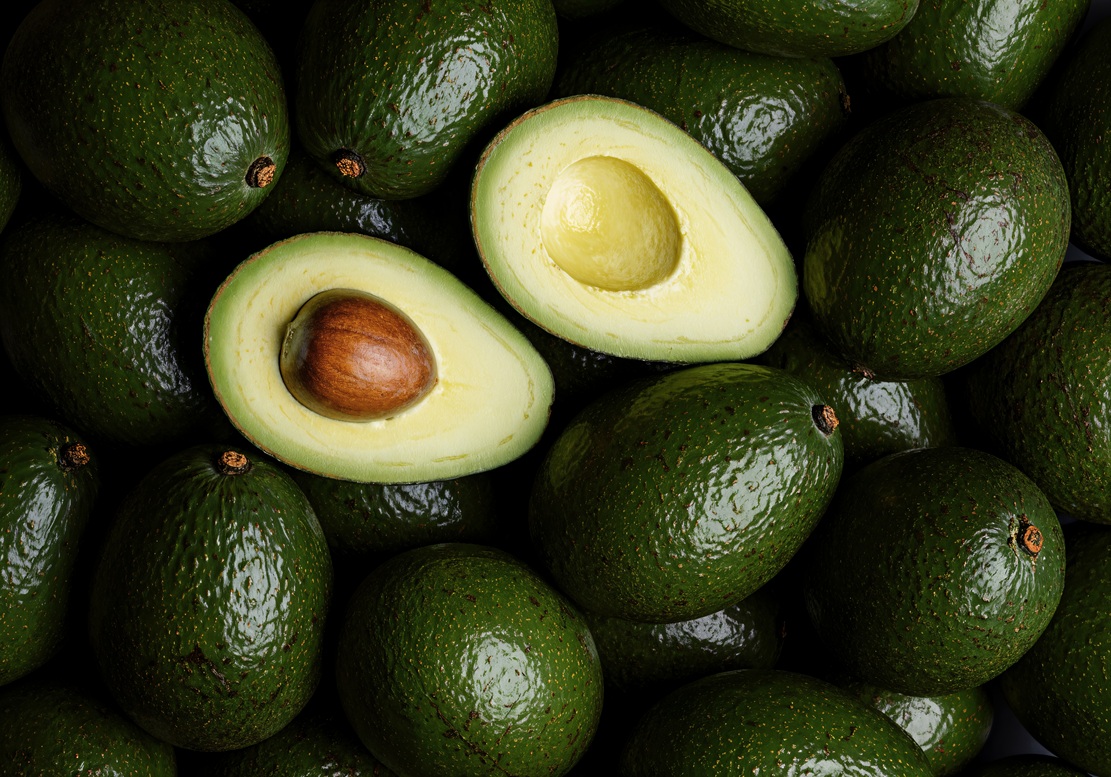
Why These Three Ingredients Belong Together
ℹ️ Did You Know: Traditional Indian cooking has combined turmeric with ghee (clarified butter) and coconut oil for centuries — long before science explained why. The fat-soluble nature of curcumin means that these traditional preparations were intuitively optimizing absorption thousands of years before clinical studies confirmed the mechanism.
Each of these three ingredients fills a specific role in a natural wellness routine, and those roles complement each other in ways that create genuine functional synergy:
- Turmeric provides curcumin — a compound with extensively researched antioxidant and anti-inflammatory properties. But curcumin needs help getting absorbed.
- Coconut oil supplies medium-chain fatty acids (primarily lauric acid) that are metabolized quickly and may help dissolve fat-soluble curcumin in the gut. It also brings antimicrobial properties and versatile applications for skin and hair.
- Avocado oil provides oleic acid (a monounsaturated fat) that research has shown significantly enhances the absorption of fat-soluble nutrients including carotenoids and likely curcumin. It also offers vitamin E and a very high smoke point for cooking flexibility.
The combination gives you two different types of healthy fat — medium-chain from coconut and monounsaturated from avocado — plus the bioactive compounds of turmeric. This trio covers cooking, nutrient absorption, skin care, and hair care in a way that no single ingredient can match.
~50%
Lauric Acid in Coconut Oil
~70%
Oleic Acid in Avocado Oil
2,000%
Curcumin Absorption Boost With Piperine + Fat
The Science of Fat Carriers and Curcumin Absorption
Let us dig into the mechanism, because understanding it changes how you use these ingredients — and understanding is what separates random use from effective use.
Curcumin is a lipophilic (fat-loving) molecule. In your gut, it needs to be dissolved in fat to cross the intestinal barrier and enter your bloodstream. Without fat present, curcumin remains largely insoluble in the aqueous environment of the digestive tract and passes through without being absorbed.
According to research documented on Wikipedia’s coconut oil page and related nutritional science literature, the medium-chain triglycerides (MCTs) in coconut oil have a unique digestive pathway — they are absorbed directly through the intestinal wall and transported to the liver via the portal vein, rather than requiring the bile-dependent lymphatic transport that long-chain fats need. This rapid absorption pathway may create a more efficient fat-solvent environment for curcumin in the gut.
Avocado oil adds a different mechanism. A 2005 study in the Journal of Nutrition found that adding avocado to meals increased carotenoid absorption by up to 15-fold. While carotenoids are not identical to curcumin, both are lipophilic compounds that benefit from the same fat-mediated absorption enhancement. The oleic acid in avocado oil appears to be particularly effective at forming mixed micelles — tiny fat droplets that carry fat-soluble molecules across the gut wall.
💡 Good to Know: Using two different types of fat — medium-chain (coconut) and long-chain monounsaturated (avocado) — may provide broader absorption support than either fat alone. This is because different fats form different types of micelles in the gut, potentially creating multiple pathways for curcumin to cross the intestinal barrier. It is like opening two doors instead of one.
The third piece of the absorption puzzle is piperine from black pepper. Combined with the dual-fat strategy, adding a pinch of black pepper to your turmeric-fat combination creates what is arguably the most effective food-based delivery system for curcumin currently known.
This is not theoretical. The absorption equation is: curcumin + MCTs (coconut oil) + oleic acid (avocado oil) + piperine (black pepper) + heat = optimized bioavailability. Every element matters.
What Each Ingredient Brings to the Routine
Before we build the actual schedule, let us map out what each ingredient contributes across both internal (dietary) and external (topical) applications. This makes it clear why you need all three, not just one or two.
| Application | Coconut Oil | Avocado Oil | Turmeric |
|---|---|---|---|
| Cooking (medium heat) | Excellent — adds subtle sweetness | Good — neutral flavor | Excellent — spice and color |
| Cooking (high heat) | Use refined only | Excellent — highest smoke point | Add after cooking or during simmer |
| Golden milk / drinks | Provides MCT fat carrier | Less common in drinks | Primary ingredient |
| Skin moisturizer | Body only (comedogenic for face) | Face and body safe for most | Not used topically daily (stains) |
| Hair treatment | Deep conditioning, protein loss reduction | Surface coating, shine, frizz control | Occasional scalp mask (may stain) |
| Nutrient absorption | MCTs may enhance curcumin absorption | Proven to enhance carotenoid and fat-soluble vitamin absorption | The nutrient being absorbed |
| Antioxidant support | Modest — via polyphenols in virgin variety | Moderate — vitamin E and lutein | Strong — curcumin is a potent antioxidant |
The pattern is clear: coconut oil and avocado oil handle the fat-carrier and topical roles, while turmeric provides the primary bioactive compounds. Each ingredient covers gaps that the others cannot fill. Together, they create a surprisingly comprehensive routine from just three natural products.
The Natural Foundation for Your Routine
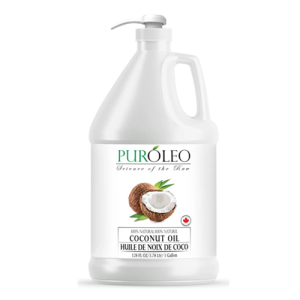
Puroleo Coconut Oil
The MCT-rich fat carrier we described for curcumin absorption, plus the hair and skin benefits we mapped in the table above — Puroleo Coconut Oil covers multiple roles in this three-ingredient routine. Its 100% pure formulation means one jar serves your kitchen, your golden milk, and your hair treatments without additives.
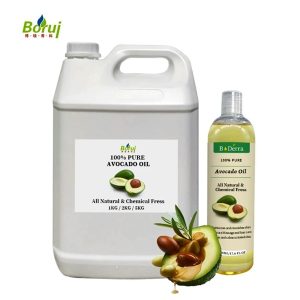
Avocado Oil
The oleic acid-rich second fat carrier in our absorption equation. This pure avocado oil handles the high-heat cooking that coconut oil cannot, provides the proven carotenoid absorption enhancement we discussed, and doubles as a face and body moisturizer. It fills the exact complementary role we outlined.
Your Daily Routine: Morning to Evening
Here is the concrete daily schedule. This is designed to be simple enough that you will actually do it — because the most effective routine is the one you stick with.
Morning: Golden Scramble (5 Minutes)
Heat 1 tablespoon of coconut oil in a pan over medium heat. Add 1/4 teaspoon turmeric and a generous pinch of black pepper. Crack in your eggs and scramble. The coconut oil acts as your MCT carrier, the pepper boosts curcumin absorption, and the heat improves solubility. Total turmeric dose: ~22 mg curcumin. Pair with avocado slices or toast drizzled with avocado oil for the oleic acid boost.
Midday: Avocado Oil Drizzle (30 Seconds)
Drizzle 1 teaspoon of avocado oil over your lunch — salad, grain bowl, soup, or cooked vegetables. If your lunch includes turmeric-seasoned dishes (curry, soup, rice), this fat addition enhances curcumin absorption from that meal. Even without turmeric, the avocado oil boosts absorption of fat-soluble vitamins A, D, E, and K from your vegetables.
Afternoon or Evening: Golden Milk (5 Minutes)
Warm 1 cup milk (any type) with 1/2 teaspoon turmeric, 1/2 teaspoon coconut oil, a pinch of black pepper, and optional sweetener. Simmer 3-4 minutes. This delivers your second turmeric dose of the day (~45 mg curcumin) in the most bioavailable preparation format. The coconut oil provides the fat carrier, and the gentle heat improves curcumin solubility.
Evening: Avocado Oil Face Moisturizer (60 Seconds)
After washing your face, apply 3-4 drops of avocado oil to damp skin. Pat gently into face, neck, and hands. The oleic acid in avocado oil closely resembles your skin’s natural sebum, supporting barrier repair while you sleep. This gives your topical routine a nightly anchor without adding complexity.
Total daily time commitment: approximately 11 minutes. Total daily turmeric: roughly 3/4 teaspoon (about 67 mg curcumin with enhanced absorption). That is a meaningful daily dose from food, not supplements.
Your Weekly Schedule: What Goes Where
The daily routine covers cooking and skin care. But some applications — hair treatments, deeper skin care, batch meal prep — work better on a weekly cadence. Here is how to layer those in without overwhelming your schedule.
| Day | Cooking | Drinks | Topical |
|---|---|---|---|
| Monday | Coconut oil + turmeric scramble | Golden milk (evening) | Avocado oil face moisturizer |
| Tuesday | Avocado oil stir-fry with turmeric | Turmeric smoothie | Avocado oil face + coconut oil body |
| Wednesday | Coconut oil curry with turmeric | Golden milk (evening) | Avocado oil face moisturizer |
| Thursday | Avocado oil roasted vegetables + turmeric | Turmeric tea | Avocado oil face + coconut oil hair mask |
| Friday | Coconut oil + turmeric rice | Golden milk (evening) | Avocado oil face moisturizer |
| Saturday | Avocado oil + turmeric breakfast hash | Smoothie with coconut milk + turmeric | Coconut oil full body moisturizer |
| Sunday | Batch prep: turmeric paste for the week | Golden milk | Avocado oil scalp treatment + face moisturizer |
Notice how the cooking oils rotate — coconut oil for medium-heat cooking, avocado oil for high-heat cooking. The turmeric appears in nearly every day through either food or drinks. And the topical applications are distributed so that hair and body treatments happen on specific days rather than requiring daily effort.
This rotation also ensures you are getting a diverse fatty acid profile. Coconut oil’s medium-chain fats and avocado oil’s monounsaturated fats serve different metabolic functions, and rotating them gives your body the benefits of both types.
Cooking With All Three: Recipes That Work
Here are specific, tested combinations where all three ingredients shine together. These are not fancy recipes — they are practical meals you can make on a busy weeknight.
💡 Good to Know: The key to getting all three ingredients into one meal is simple: use the oil for cooking, add turmeric as seasoning, and always include black pepper. This pattern works across virtually any cuisine — from curry to eggs to roasted vegetables to soup.
Golden Turmeric Curry (4 servings): Heat 2 tablespoons coconut oil in a pot. Add diced onion, garlic, and ginger. Once softened, add 1 tablespoon turmeric, 1 teaspoon cumin, 1/2 teaspoon black pepper, and a pinch of cayenne. Stir for 30 seconds in the hot oil (this blooms the spices). Add chickpeas, diced sweet potato, and a can of coconut milk. Simmer 25 minutes. Finish with 1 teaspoon avocado oil drizzled on top and fresh cilantro. Every serving contains all three key ingredients plus the absorption enhancers.
Turmeric Roasted Vegetables (2-3 servings): Toss cauliflower, carrots, and chickpeas with 2 tablespoons avocado oil, 1 teaspoon turmeric, 1/2 teaspoon black pepper, and salt. Roast at 425 degrees Fahrenheit for 30 minutes. The avocado oil handles the high heat perfectly while the turmeric creates a beautiful golden crust. Serve over rice cooked with 1 teaspoon coconut oil.
Morning Turmeric Smoothie (1 serving): Blend 1 banana, 1/2 cup mango chunks, 1/2 cup coconut milk, 1 teaspoon coconut oil, 1/4 teaspoon turmeric, a pinch of black pepper, and a drizzle of honey. The fat from the coconut milk and oil ensures curcumin absorption, and the fruit flavors mask the turmeric’s earthiness. Add 1 teaspoon avocado oil if you want the extra oleic acid boost — it blends in without affecting flavor.
The common thread across all of these: turmeric plus fat plus pepper plus heat. Once that pattern is second nature, you can apply it to any dish.
Add Targeted Wellness Support
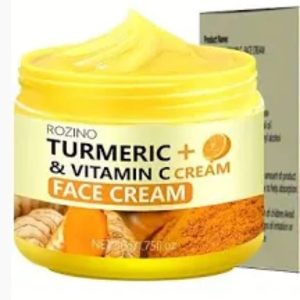
Rozino Turmeric
The food-first routine above provides a solid curcumin foundation, but some days your kitchen schedule does not cooperate. Rozino Turmeric offers concentrated curcumin in supplement form — take it with a meal containing coconut or avocado oil to apply the same fat-carrier absorption strategy we have been building throughout this article.
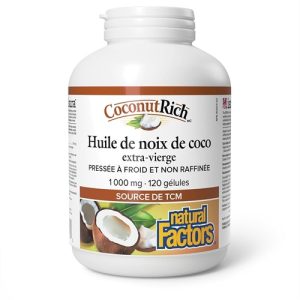
Huile de Noix de Coco
If you plan to use coconut oil as a daily cooking staple alongside your turmeric routine, this pure and natural option provides solid quality at an accessible price point. For high-volume kitchen use — golden milk every evening, turmeric scrambles every morning — having a generously sized coconut oil on hand makes consistency easier.
Topical Care: Skin and Hair Applications
The cooking and drink portions of this routine handle the internal wellness angle. But coconut oil and avocado oil also have legitimate topical applications that round out the routine with external body care.
Nightly: Avocado Oil Face Moisturizer
Apply 3-4 drops to clean, damp facial skin every evening. Avocado oil’s lower comedogenic rating (2/5) makes it suitable for most skin types. Its oleic acid closely matches the skin’s natural sebum, supporting barrier function overnight. Pat gently — do not rub. This becomes your baseline daily topical habit.
Twice Weekly: Coconut Oil Body Moisturizer
After showering, apply half a teaspoon of coconut oil per limb to damp skin. Focus on dry areas — elbows, knees, shins, heels. Coconut oil’s occlusive properties trap moisture effectively, and the lauric acid may support the skin’s natural antimicrobial defenses. Avoid the face if you are acne-prone.
Weekly: Coconut Oil Hair Mask (Thursday)
Apply 1-2 tablespoons of coconut oil from mid-shaft to ends on dry hair. Leave 30 minutes to overnight. Coconut oil penetrates the hair shaft due to its lauric acid content, reducing protein loss from washing and styling. Shampoo out thoroughly — two lathers may be needed.
Weekly: Avocado Oil Scalp Treatment (Sunday)
Warm 1 tablespoon of avocado oil and massage into the scalp for 3-5 minutes using circular motions. Leave for 20 minutes, then shampoo. This complements the coconut oil hair mask by addressing scalp health separately — avocado oil moisturizes and nourishes the scalp skin while coconut oil strengthens the hair strands themselves.
⚠️ Important: We intentionally did not include turmeric in the topical routine. While turmeric face masks are popular online, curcumin stains skin yellow — sometimes for days — and can cause contact sensitivity in some individuals. If you want to try a turmeric face mask, always patch test first, use only a tiny amount mixed with a carrier oil, and be prepared for temporary staining. For most people, the benefits of turmeric are better accessed through diet rather than topical application.
The beauty of this topical schedule is that it uses the same products you are cooking with. No separate « beauty versions » needed. One jar of coconut oil and one bottle of avocado oil serve double duty across your kitchen and bathroom. That is genuine simplicity.
Mistakes That Undermine the Combination
Combining these three ingredients is straightforward — but there are specific errors that reduce their effectiveness. Having worked with all three at Dulson Sante, here is what we see go wrong most often.
🚨 Caution: Forgetting black pepper is the single most common mistake. Without piperine, curcumin bioavailability drops by roughly 95%. Every time you use turmeric — in food, in golden milk, in smoothies — add a pinch of freshly ground black pepper. No exceptions.
Mistake #1: Using turmeric without fat. Sprinkling turmeric on dry toast or adding it to water without any fat source means most of the curcumin passes through unabsorbed. Always pair it with coconut oil, avocado oil, or another fat source.
Mistake #2: Using coconut oil on acne-prone facial skin. Coconut oil has a comedogenic rating of 4/5. It is excellent for body, hair, and cooking — but keep it off your face if you are breakout-prone. Use avocado oil for facial moisturizing instead.
Mistake #3: Expecting immediate results from turmeric. Curcumin’s potential benefits build over weeks to months of consistent use. People who try it for three days and give up are not giving it a fair chance. Commit to 8-12 weeks of consistent daily use before evaluating.
Mistake #4: Using the same oil for everything. The whole point of the two-oil system is complementary fatty acid profiles and different functional strengths. Coconut oil for medium-heat cooking, golden milk, body care, and hair. Avocado oil for high-heat cooking, salad dressing, face care, and scalp. Using only one eliminates half the benefits.
Mistake #5: Going overboard on oil quantity. More is not better. One tablespoon of cooking oil per meal, a few drops for skin, 1-2 tablespoons for hair treatments — these are the effective amounts. Doubling or tripling them does not double or triple the benefits. It just adds unnecessary calories (for cooking) or makes your skin and hair greasy (for topical use).
If you want guidance on building this routine for your specific needs, our wellness team is always available to answer questions.
Benefits and Honest Considerations
Here is the transparent assessment of this three-ingredient approach — what it does well and where its limitations sit.
Benefits
- Fat-carrier synergy: coconut and avocado oils genuinely enhance curcumin absorption
- Covers cooking, drinks, skin care, and hair care from three products
- Each ingredient brings a distinct, complementary nutritional profile
- All three are whole, natural, minimally processed ingredients
- Cost-effective — same products serve kitchen and bathroom
- Backed by traditional use spanning centuries across multiple cultures
- Flexible enough to adapt to different diets and preferences
- Sustainable long-term habit with no cycling requirements
Things to Consider
- Culinary turmeric doses are lower than clinical trial doses
- Coconut oil is high in saturated fat — moderation in cooking matters
- Turmeric stains everything — clothing, countertops, containers
- Not a replacement for medical treatment or prescribed medications
- Some people find coconut oil too heavy for their hair type
- Results from turmeric are gradual and vary between individuals
- Potential drug interactions with curcumin supplements at high doses
- Requires consistency to be effective — not a one-time fix
The honest bottom line: this is not a miracle routine. It is a practical, evidence-informed approach to natural wellness that uses three genuinely useful ingredients in a structured way. People who follow it consistently — not perfectly, just consistently — tend to report positive experiences over time. People who try it randomly and sporadically tend to notice nothing. The difference is always consistency.
Find Everything You Need for This Routine →
How to Get Started This Week
If this routine appeals to you but feels like a lot, here is the simplest possible starting point. You do not need to implement everything at once. Start small and build.
Week 1: Kitchen Only
Buy one jar of coconut oil, one bottle of avocado oil, and a container of turmeric powder. Cook with one or the other oil daily, adding 1/4 teaspoon turmeric and a pinch of black pepper to one meal per day. That is it. Just get the habit started.
Week 2: Add Golden Milk
Introduce the golden milk recipe 3-4 evenings per week. This adds a second turmeric dose and gives you a relaxing evening ritual. Keep cooking as you were in week 1.
Week 3: Add Topical Care
Start applying avocado oil to your face at night and coconut oil to your body after showers. These are quick additions — 60 seconds each — that extend the routine beyond the kitchen.
Week 4: Add Hair Treatments
Introduce the weekly coconut oil hair mask and the avocado oil scalp treatment. By now, the cooking and drinking habits should be automatic, so adding the weekly hair care is just two more touch points on specific days.
By the end of month one, you will have the full routine running — cooking, drinks, skin care, and hair care — and it will feel normal rather than overwhelming. The key is that each week only adds one new element. You never have to change everything at once.
Want to get started right away? Our shop has all three products — and you can also explore the Dulson Sante blog for more detailed guides on each ingredient. Communities like r/SkincareAddiction on Reddit are also great places to see real people discussing their routines with these ingredients.

Round Out Your Wellness Starter Kit
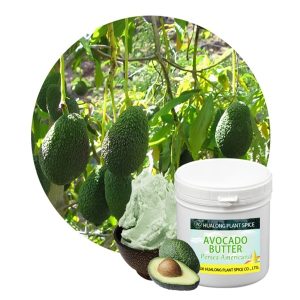
Avocado Butter
For intensive moisturizing on the driest areas — heels, elbows, knees — avocado butter provides a richer, more concentrated form of the same nourishing fats found in avocado oil. It complements the topical care schedule we mapped out above, filling in where a lighter oil is not quite enough.
Liquid Morning Multi Vitamin
A comprehensive wellness routine benefits from a solid nutritional foundation. This liquid multivitamin delivers essential nutrients in an easily absorbed format. Take it with your turmeric-and-oil breakfast, and the dietary fats may enhance absorption of the fat-soluble vitamins it contains — applying the same absorption principle we have discussed throughout this article.
Frequently Asked Questions
Do I need all three ingredients, or can I start with just one?
You can absolutely start with just one — any of these ingredients has standalone benefits. But the combination produces meaningfully better results because of the fat-carrier mechanism for curcumin absorption. If you had to pick a starting order, we would suggest: coconut oil first (most versatile), then turmeric (add it to meals cooked in coconut oil), then avocado oil (for high-heat cooking and facial care). Within two to three weeks, you can have all three working together.
How much will this routine cost per month?
A jar of quality coconut oil, a bottle of avocado oil, and a container of turmeric powder can be surprisingly affordable. A standard-size container of each typically lasts 4-8 weeks depending on usage. Because the same products serve both your kitchen and your body care routine, you are actually consolidating costs rather than adding them. Browse our options to see specific pricing — we carry a range of sizes and price points.
Will turmeric stain my skin permanently?
Turmeric can temporarily stain skin a yellow-orange color. When consumed in food or golden milk, this is not a concern — it does not stain from the inside out. For topical application, the staining is temporary (usually fading within 24-48 hours) and can be minimized by mixing turmeric with oil. However, we recommend keeping turmeric in your kitchen routine rather than applying it to your face regularly. Coconut oil and avocado oil handle the topical work in this routine.
Can I follow this routine if I am on medication?
Cooking with these ingredients in normal culinary amounts is generally safe for most adults. However, high-dose curcumin supplements may interact with blood thinners, diabetes medications, and certain chemotherapy drugs. If you take any prescription medications, consult your healthcare provider before adding a curcumin supplement. The food-first approach using turmeric as a cooking spice is the lowest-risk option and is suitable for most people. Always disclose all supplements and dietary changes to your doctor.
How long before I notice benefits from this routine?
Most people who follow this routine consistently report noticing gradual improvements in skin texture and hair condition within 2-3 weeks. Joint comfort and digestive changes from turmeric typically take longer — 4-8 weeks for initial effects, with more noticeable results at the 8-12 week mark. The topical benefits tend to show up faster than the internal ones because you can see and feel changes in skin and hair quality more immediately. Patience and consistency are the key factors.
« The combination of curcumin with lipids may increase its bioavailability by promoting micellar solubilization in the gastrointestinal tract. Medium-chain and long-chain triglycerides appear to facilitate different but complementary pathways of lipophilic compound absorption. »
— Anand et al., Molecular Pharmaceutics, 2007
🌿 Explore Our Natural Products →
⚠️ Disclaimer: The information in this article is provided for educational purposes only and does not constitute medical advice. Always consult a qualified healthcare professional before starting any supplement or making changes to your health routine. Individual results may vary. These statements have not been evaluated by the Food and Drug Administration. This product is not intended to diagnose, treat, cure, or prevent any disease.