
Protein, Recovery, and Daily Performance: What Active Adults Should Know
You do not need to eat like a bodybuilder to benefit from smarter protein timing. Whether you hit the gym three times a week or just stay active through daily life, here is what the research says about making protein work harder for you.
In This Article
- Why Protein Matters Beyond Muscle
- The Science of Protein Needs for Active Adults
- Meal-Level Protein Distribution: The Real Key
- What 1.4 to 1.6 Grams Per Kilogram Looks Like in Real Food
- Recovery Windows: What Actually Matters and What Does Not
- Building a Daily Eating Pattern That Works
- How to Choose a Protein Supplement Wisely
- Mistakes That Slow Down Recovery
- Benefits and Honest Considerations
- Putting It Into Practice This Week
- Frequently Asked Questions
If you follow fitness content online, you have probably been told that protein is the most important macronutrient for anyone who exercises. And while that statement is not exactly wrong, the way it is usually presented — with extreme meal-prep routines, obsessive gram counting, and bodybuilder-level eating schedules — makes it feel irrelevant to regular people who just want to stay fit and feel good.
Here is the reality: most of the protein research that gets attention is designed for competitive athletes and bodybuilders. But the majority of people who exercise regularly are not competing in anything. They go to the gym three or four times a week, or they run, cycle, swim, hike, or play recreational sports. They want to recover well, maintain muscle as they age, keep their energy up, and not feel beaten up the day after a workout. That is a completely different set of needs than what a competitive powerlifter requires.
This article translates the actual research on protein and dietary supplementation into practical, everyday eating patterns for recreationally active adults. No extreme diets. No obsessive tracking. Just the information you need to make your protein intake work better for your actual life. At Dulson Sante, we believe in making wellness accessible — not intimidating.

Why Protein Matters Beyond Muscle
ℹ️ Did You Know: Protein is not just a muscle-building nutrient. It plays critical roles in immune function, enzyme production, hormone synthesis, tissue repair, and even neurotransmitter balance. Every antibody your immune system produces is a protein. Every enzyme that digests your food is a protein. The scope of its importance goes far beyond the gym.
When most people think about protein, they picture biceps and chicken breasts. And while protein is essential for muscle maintenance and growth, that is only one piece of a much larger puzzle.
For recreationally active adults, protein plays three particularly relevant roles. First, it supports recovery from exercise — not just muscle repair, but also tendon, ligament, and connective tissue recovery that prevents injury over time. Second, it helps maintain lean muscle mass as you age, which is critical because adults lose roughly 3-8% of muscle mass per decade after 30 if they do nothing about it (a process called sarcopenia). Third, protein has the highest thermic effect of any macronutrient — meaning your body burns more calories digesting protein than it does digesting carbs or fat. This has practical implications for body composition even if you are not actively dieting.
The point is not to obsess over protein. It is to understand that getting enough — and distributing it sensibly throughout your day — pays dividends across multiple systems, not just your gym performance.
The Science of Protein Needs for Active Adults
Let us get specific about the numbers, because the range you will see quoted online varies widely depending on the source.
What the Research Actually Says
The International Society of Sports Nutrition (ISSN) published a position stand in 2017 recommending 1.4 to 2.0 grams of protein per kilogram of body weight per day for individuals who exercise regularly. For most recreationally active adults — not competitive athletes — the sweet spot appears to be around 1.4 to 1.6 g/kg/day. That is notably higher than the RDA of 0.8 g/kg, which represents the minimum to prevent deficiency, not the optimal amount for active people.
1.4-1.6 g/kg
Daily protein target for recreationally active adults — ISSN Position Stand, 2017
What That Means in Practical Terms
For a 155-pound (70 kg) person: roughly 98-112 grams of protein per day. For a 180-pound (82 kg) person: roughly 115-131 grams per day. For a 200-pound (91 kg) person: roughly 127-146 grams per day. These are not extreme numbers. They are achievable through a combination of whole food and, if needed, one protein shake per day.
The important takeaway: you probably need more protein than the standard dietary guidelines suggest, but less than what fitness influencers push. The zone between 1.4 and 1.6 g/kg offers the biggest return on effort for regular gym-goers and active adults.
Meal-Level Protein Distribution: The Real Key
Here is the thing most protein advice misses: total daily protein matters, but how you distribute it across meals matters almost as much. Research from the laboratory of Dr. Donald Layman and others has consistently shown that spreading protein intake across three to four meals — rather than loading most of it into dinner — may better support muscle protein synthesis throughout the day.
The 20 to 40 Gram Rule
Studies suggest that muscle protein synthesis is maximally stimulated by approximately 20 to 40 grams of high-quality protein per meal. Eating significantly less than 20 grams may not trigger a meaningful anabolic response. Eating significantly more than 40 grams in a single sitting is not wasted, but the additional protein is more likely to be used for energy or other functions rather than directly driving muscle repair.
| Meal Pattern | Protein Per Meal | Daily Total (4 meals) | Effectiveness for Recovery |
|---|---|---|---|
| Front-loaded (big dinner) | 10g / 15g / 15g / 70g | 110g | Suboptimal — most protein in one sitting |
| Even distribution | 28g / 28g / 28g / 28g | 112g | Optimal — sustained muscle protein synthesis |
| Moderate distribution | 20g / 30g / 25g / 35g | 110g | Good — realistic and effective |
Notice that the total protein is nearly identical across all three patterns. The difference is when you eat it. The « big dinner » approach — which describes how most Americans eat — concentrates protein in one meal, potentially wasting the anabolic opportunity at breakfast and lunch. The even and moderate distribution patterns keep muscle protein synthesis elevated across more of the day.
💡 Good to Know: For most people, the practical takeaway is simple: eat some protein at every meal and aim for at least 20 grams at breakfast. That single change — adding protein to a meal that is often carb-dominant — can meaningfully improve your daily distribution without requiring any food tracking or meal prep.
Support Your Daily Protein and Recovery Goals
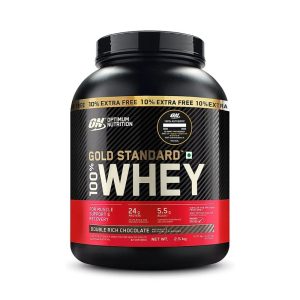
Proteine Whey Gold Standard 2.5 kg
We just covered why protein distribution across meals is key for recovery and muscle maintenance. A whey protein shake is one of the simplest ways to add 24-30g of quality protein to a meal where you would otherwise fall short — particularly breakfast or a mid-afternoon snack. It is designed for exactly the kind of practical protein top-up that makes the distribution strategy work in real life.
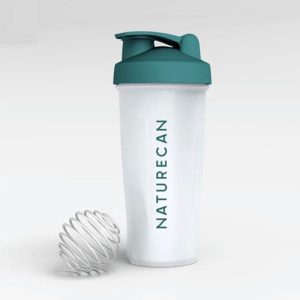
Naturecan Water Bottle / Shaker
Having a shaker at your desk or in your gym bag removes the friction from mixing a quick protein shake between meals. Hydration also plays a direct role in recovery — dehydration impairs protein synthesis and slows muscle repair. This shaker bottle serves both purposes, making it easier to stay consistent with both your protein and water intake throughout the day.
What 1.4 to 1.6 Grams Per Kilogram Looks Like in Real Food
Numbers on paper are one thing. Knowing what they look like on a plate is another. Here is what a realistic day of eating looks like for a 155-pound (70 kg) recreationally active adult targeting approximately 100-110 grams of protein per day.
Breakfast (~25g protein)
Two eggs scrambled (14g) + one cup of Greek yogurt (12g) with berries. Or: a protein smoothie with one scoop of whey (25g), banana, and almond butter.
Lunch (~30g protein)
Grilled chicken breast (4 oz) over a salad with quinoa and avocado. Or: a turkey and cheese sandwich on whole-grain bread with a side of hummus and vegetables.
Afternoon Snack (~15g protein)
A handful of almonds (6g) + a string cheese (7g). Or: cottage cheese (14g) with apple slices. Or: a small protein shake if you are on the go.
Dinner (~35g protein)
Salmon fillet (6 oz, ~34g) with roasted sweet potatoes and steamed broccoli. Or: lean ground beef in a stir-fry with rice and mixed vegetables.
Total: approximately 105 grams of protein from whole food — right in the target range without any extreme effort. Notice that every meal contributes meaningfully. There is no 10-gram breakfast followed by a 70-gram dinner. This is the practical difference that meal-level distribution makes.
If any of these meals consistently fall short — especially breakfast, which is where most people undereat protein — that is where a supplement like whey protein can genuinely help. One shake fills a 25g gap in under two minutes.
Recovery Windows: What Actually Matters and What Does Not
The concept of the « anabolic window » — the idea that you need to consume protein within 30 minutes of finishing your workout or lose all your gains — has been one of the most persistent myths in fitness. Here is what the current research actually says.
The 30-Minute Window: Mostly a Myth
A comprehensive meta-analysis by Schoenfeld, Aragon, and Krieger (2013) published in the Journal of the International Society of Sports Nutrition found that total daily protein intake was a much stronger predictor of muscle gain than the specific timing of post-workout protein. The « 30-minute window » was based on studies in fasted individuals — not people who eat regular meals.
What Actually Matters for Recovery
If you ate a protein-containing meal within two to three hours before your workout, your body already has amino acids circulating. The urgency of immediate post-workout protein diminishes significantly. What matters more is that your next meal — whenever it naturally falls — contains adequate protein (20-40g). For most people who eat regular meals, this happens organically without any special timing effort.
⚠️ Important: The one situation where post-workout protein timing does matter is if you train fasted — for example, first thing in the morning on an empty stomach. In that case, consuming protein within an hour after your workout is a reasonable practice because your body has been without amino acids for an extended period. Otherwise, relax about the stopwatch.
The broader recovery picture includes more than just protein. Sleep quality, hydration, micronutrient intake (magnesium, zinc, vitamin D), and managing stress all play significant roles in how quickly and completely you recover between sessions. Protein is the star, but it performs best with a supporting cast.


Building a Daily Eating Pattern That Works
The best protein strategy is the one you can actually maintain without turning mealtimes into a math exam. Here is a flexible framework for recreationally active adults who want to optimize their protein intake without overcomplicating their lives.
The Three Anchor Points
Instead of tracking every gram, focus on three non-negotiable protein anchor points each day. If you hit these, you are almost certainly meeting your needs:
Anchor 1: At least 20 grams of protein at breakfast. This is where most people fall short. Eggs, Greek yogurt, a protein shake, or cottage cheese all make this easy. This single habit shifts your distribution pattern from back-loaded to balanced.
Anchor 2: A palm-sized portion of protein at lunch. A chicken breast, a can of tuna, a serving of tofu, or a thick slice of salmon. You do not need to weigh it — a palm-sized portion of most protein sources delivers approximately 25-35 grams.
Anchor 3: A protein-containing dinner. This is where most people already do well. Just make sure the protein portion is not drowning in a sea of pasta or rice — it should be a clear, visible component of the meal.
If you hit these three anchors, you are likely getting 80-100+ grams of protein from meals alone. Add a protein snack or shake if you are particularly active or on the higher end of the weight scale, and you are covered. Communities on r/fitness have converged on a very similar practical approach — simplicity beats perfection when it comes to long-term adherence.
For days when your meals fall short or your schedule gets chaotic, check out our protein and wellness products for easy options to fill the gap.
Optimize Your Recovery Routine
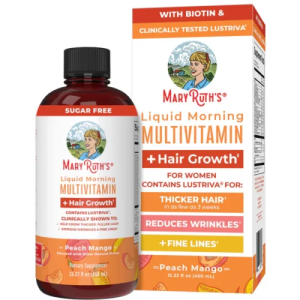
Liquid Morning Multi Vitamin
Recovery depends on more than just protein — the micronutrients we discussed (magnesium, zinc, B vitamins, vitamin D) all play essential roles in muscle repair, energy production, and immune function. A daily liquid multivitamin may help cover the gaps that increased physical activity creates, especially if your diet is not always perfect.
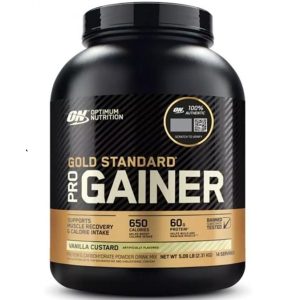
Optimum Nutrition Gold Standard Pro Gainer
For active adults who train frequently and struggle to eat enough — particularly if you are tall, have a fast metabolism, or do high-volume training — a mass gainer can bridge the calorie and protein gap in a single shake. Pro Gainer delivers 650 calories with a solid protein content, designed for those days when whole food meals alone are not quite enough to fuel recovery.
How to Choose a Protein Supplement Wisely
If you decide you need a protein supplement — whether to hit your daily target or for the convenience of a quick post-workout shake — here is what to look for and what to avoid.
What to Look For
- Protein content per serving should be at least 75% of the scoop weight (24g+ per 30-35g scoop)
- Complete amino acid profile including adequate leucine (2-3g per serving) for muscle protein synthesis
- Minimal added sugars — under 3g per serving for most whey products
- Third-party testing (Informed Sport, NSF Certified for Sport, or USP verified)
- Short, recognizable ingredient list — whey protein, flavoring, sweetener, and not much else
Types of Whey Protein
Whey Concentrate: The most common and cost-effective form. Contains 70-80% protein with some fat and lactose remaining. Good for most people.
Whey Isolate: More heavily filtered to 90%+ protein. Very low in fat and lactose. Better for lactose-sensitive individuals or those counting calories closely.
Whey Hydrolysate: Pre-digested for faster absorption. Often more expensive with minimal practical advantage for recreational athletes. The research on its superiority over isolate is mixed.
For most recreationally active adults, a quality whey concentrate or isolate is all you need. The differences between types matter more at the competitive level than they do for everyday gym-goers.
Mistakes That Slow Down Recovery
Getting your protein right is important, but these common mistakes can undermine your recovery even when your protein intake is on point.
🚨 Caution: People with pre-existing kidney conditions should work with their healthcare provider to determine appropriate protein intake levels. For healthy adults, protein intakes within the recommended ranges (1.4-2.0 g/kg) have not been shown to cause kidney damage in clinical research. But pre-existing conditions change the safety profile significantly.
Mistake #1: Neglecting sleep. This is the number one recovery killer. Growth hormone, which drives muscle repair and tissue regeneration, is released primarily during deep sleep. Poor sleep — even with perfect protein intake — significantly impairs recovery. Aim for seven to nine hours and prioritize sleep consistency over total time.
Mistake #2: Chronic dehydration. Protein synthesis requires water. Muscle tissue is approximately 75% water. Dehydration impairs nutrient transport, slows waste removal, and reduces exercise performance. Most active adults need at least half their body weight in ounces of water per day, with additional intake during and after exercise.
Mistake #3: Skipping rest days. Your muscles do not grow in the gym — they grow during recovery. Training the same muscle group without adequate rest (typically 48-72 hours) leads to overtraining, which actually breaks down muscle rather than building it. More is not always better.
Mistake #4: Ignoring other macronutrients. Protein gets the spotlight, but carbohydrates replenish glycogen stores that fuel your next workout, and healthy fats support hormone production (including testosterone and growth hormone). A recovery meal with protein but no carbs or fat is incomplete. Balance matters.
Mistake #5: All-or-nothing thinking. Missing one high-protein meal does not ruin your progress. Having one low-protein day does not erase a week of good nutrition. Consistency over time is what drives results, not perfection in any single meal or day. The best approach is one you can maintain for months, not one that burns you out in weeks.
If you need guidance on building a recovery-focused nutrition plan, connect with our team at Dulson Sante for personalized support.
Benefits and Honest Considerations
Optimizing protein intake for recovery and daily performance is one of the most well-supported strategies in sports nutrition. But it is important to keep expectations realistic.
Benefits
- Supports muscle repair and reduces soreness after exercise
- Helps maintain lean muscle mass as you age — critical for metabolic health
- May improve body composition even without calorie restriction due to thermic effect
- Better meal distribution can improve sustained energy and reduce afternoon crashes
- Simple adjustments — no extreme diets or complex meal plans required
Things to Consider
- Protein alone does not build muscle — progressive resistance training is the primary stimulus
- Individual needs vary based on age, activity level, health status, and goals
- Higher protein intake may not be appropriate for people with certain kidney conditions
- Protein supplements are convenient but do not replace the nutritional complexity of whole food
- Obsessing over exact gram counts can create stress that itself impairs recovery
Gear for Your Active Lifestyle

Insulated Bottle
We covered how dehydration impairs protein synthesis and slows recovery. This insulated bottle with a large capacity and reusable straw keeps water cold all day — whether you are at your desk, in the gym, or on the go. Consistent hydration is one of the simplest recovery habits you can build, and having the right bottle makes it easier to stick with.
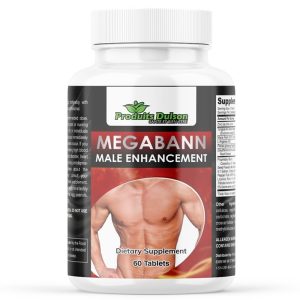
Megabann Male Enhancement
For men over 40 who are staying active, recovery involves more than just protein — it also involves maintaining the hormonal environment that supports muscle repair and energy. Megabann brings together natural ingredients traditionally associated with male endurance and vitality, offering targeted support that may complement your daily protein and recovery routine.
Putting It Into Practice This Week
Knowledge without action is just entertainment. Here is a simple three-step plan to improve your protein intake and recovery starting this week — no drastic changes required.
This Week: Add Protein to Breakfast
If your breakfast currently consists of toast, cereal, or just coffee — add a protein source. Two eggs, a scoop of whey in a smoothie, or a serving of Greek yogurt gets you to 20+ grams before you leave the house. Do this every day for one week and notice how your mid-morning energy and focus change.
Next Week: Audit Your Distribution
Track your protein for three days — not obsessively, just roughly. Are you getting protein at every meal? Or is 60% of it at dinner? If the distribution is heavily back-loaded, shift some of that dinner protein to breakfast or lunch. Even moving 15-20 grams from dinner to an earlier meal can improve your daily muscle protein synthesis pattern.
Week Three: Add Strategic Supplementation If Needed
If your audit reveals a consistent gap — maybe breakfast is always low or you skip lunch on busy days — that is where a protein supplement earns its place. One shake per day to cover the weakest meal in your rotation. Simple, targeted, and effective.
💡 Good to Know: Pregnant and nursing women have higher protein needs than the general recommendations discussed here. If you are pregnant or breastfeeding, consult your healthcare provider for personalized guidance on protein intake and supplementation. Some protein supplements may contain ingredients that are not recommended during pregnancy.
The goal is sustainable improvement, not overnight transformation. Small, consistent changes to your protein habits compound over weeks and months into noticeably better recovery, more energy, and a stronger, more resilient body. That is worth the effort. For more practical wellness guidance, visit the Dulson Sante blog.
Frequently Asked Questions
Do I need protein powder if I eat enough whole food?
If you can consistently hit your protein target through whole food alone — and many people can — then protein powder is not necessary. It is a convenience tool, not a requirement. That said, protein powder is particularly useful for people with busy schedules, those who train early in the morning and need fast nutrition, or anyone who struggles to reach 20+ grams of protein at certain meals. It fills gaps that whole food cannot always cover practically.
Is there a difference between animal and plant protein for recovery?
Animal proteins (whey, casein, eggs, meat, fish) are complete proteins containing all essential amino acids in ratios that closely match human needs. Most individual plant proteins are lower in one or more essential amino acids — particularly leucine, which is the primary trigger for muscle protein synthesis. However, combining plant proteins (rice + pea, for example) can create a complete amino acid profile. Plant-based athletes may need slightly higher total protein intakes to compensate for lower digestibility and amino acid balance.
How does protein need change as I age?
Research suggests that adults over 50 may need more protein per meal to stimulate the same muscle protein synthesis response — a concept called « anabolic resistance. » The current recommendation for older adults from several position stands is 1.2 to 2.0 g/kg per day, with a focus on distributing at least 25-40g per meal. Maintaining adequate protein becomes increasingly important for preventing age-related muscle loss (sarcopenia), which affects balance, bone density, and metabolic health.
Can too much protein be harmful?
For healthy adults without pre-existing kidney disease, protein intakes up to 2.0-2.5 g/kg per day have not been shown to cause kidney damage in controlled research. However, very high protein intakes may displace other important nutrients if they come at the expense of fruits, vegetables, and complex carbohydrates. Balance is key. If you have a history of kidney issues, gout, or liver disease, work with your healthcare provider to determine an appropriate intake. You can explore our product range for balanced supplementation options.
Should I eat protein before or after a workout?
Both work. The total daily protein intake matters more than the specific pre-or-post timing for most recreational exercisers. If you ate a protein-containing meal within 2-3 hours before your workout, post-workout protein is less urgent. If you train fasted, eating protein within an hour after exercise is a reasonable practice. The most practical approach: eat protein at regular meals and do not stress about a specific post-workout window unless you train first thing in the morning on an empty stomach.
« A protein intake of 1.4 to 2.0 g/kg/day for physically active individuals is not only safe, but may improve the training adaptations to exercise training. »
— International Society of Sports Nutrition Position Stand, 2017
🌿 Explore Our Natural Products →
⚠️ Disclaimer: The information in this article is provided for educational purposes only and does not constitute medical advice. Always consult a qualified healthcare professional before starting any supplement or making changes to your health routine. Individual results may vary. These statements have not been evaluated by the Food and Drug Administration. This product is not intended to diagnose, treat, cure, or prevent any disease.