
How to Build a Beginner-Friendly Wellness Stack for Energy, Recovery, and Balance
Supplements should not feel like a college-level chemistry project. Here is a phased plan that starts simple, builds gradually, and actually helps you figure out what works — before you end up with a cabinet full of half-used bottles.
In This Article
- Why Most Beginners Build Their Stack Backwards
- The Foundation Layer: What Comes First
- Phase 1 — Weeks 1 Through 4: Establish Your Base
- How to Track Whether Something Is Working
- Signs It Is Time to Add Something New
- Phase 2 — Weeks 5 Through 8: Layering In Targeted Support
- How to Evaluate Supplement Quality Before You Buy
- Mistakes That Beginners Almost Always Make
- Benefits and Honest Considerations
- Phase 3 and Beyond: Fine-Tuning Your Stack
- Frequently Asked Questions
The wellness supplement space has a beginner problem. Not a product problem — a guidance problem. If you are new to supplements and start looking for advice, you will find two extremes: generic « just take a multivitamin » recommendations that offer no strategy, and complex stacks designed for biohackers with 15 bottles on their counter. Neither is helpful if you are a regular person who just wants to feel more energized, recover better, and bring a little more balance to daily life.
What is missing is a structured, step-by-step plan that tells you exactly what to start with, how long to give it, what to look for, and when to add the next layer. That is what this article delivers. We have mapped out a phased onboarding approach — week by week — so you can build a wellness stack that makes sense for your body, your goals, and your budget. No guesswork. No impulse purchases. Just a logical progression from simple to targeted.
At Dulson Sante, we talk to beginners every day. The number one thing they tell us is: « I do not know where to start. » By the time you finish this article, you will.

Why Most Beginners Build Their Stack Backwards
ℹ️ Did You Know: A 2023 survey by the Council for Responsible Nutrition found that 74% of American adults use dietary supplements, but fewer than 25% consult a healthcare professional about what to take. The result is a lot of money spent with very little strategy behind it.
The typical beginner supplement journey looks something like this: you see a recommendation on social media. You buy that product. A week later, you read about another ingredient and buy that too. Then someone mentions a third one. Within a month, you are taking four or five things with no idea which one is actually doing anything — if any of them are.
The fundamental problem is starting with trendy, specific products before establishing a nutritional foundation. It is like adding performance modifications to a car that has not had its oil changed. The basics have to come first, not because they are exciting, but because everything else builds on them.
A well-built wellness stack follows a clear logic: foundation first (broad-spectrum nutritional coverage), then targeted additions based on identified needs, then optional fine-tuning based on specific goals. Each layer is added one at a time, with enough time between additions to evaluate whether it is actually making a difference. That sequence is what separates a purposeful stack from a random collection of bottles.
The Foundation Layer: What Comes First
Before adding anything specialized, your body needs a solid nutritional base. For most adults, this means addressing the three most common gaps that affect energy, recovery, and daily well-being.
Gap #1: Broad-Spectrum Micronutrients (Multivitamin)
Even with a reasonably good diet, most adults have subtle shortfalls in one or more vitamins or minerals. A quality multivitamin acts as insurance — filling small gaps in B vitamins, vitamin D, zinc, magnesium, and other essentials that support energy metabolism, immune function, and recovery. It is not glamorous, but it is the most evidence-supported starting point.
Gap #2: Omega-3 Fatty Acids
Unless you eat fatty fish (salmon, mackerel, sardines) at least twice a week, your omega-3 intake is likely below what research suggests is optimal. Omega-3s — specifically EPA and DHA — play roles in inflammation modulation, brain function, joint comfort, and cardiovascular health. Most Western diets are heavily skewed toward omega-6 (from vegetable oils and processed food), so omega-3 supplementation is one of the most widely recommended additions across nutrition professionals.
Gap #3: Vitamin D (If Not Covered by Your Multi)
Vitamin D deficiency is so common that it deserves special mention. The National Institutes of Health estimates that roughly 42% of American adults are insufficient. If your multivitamin provides less than 1000-2000 IU, a standalone vitamin D3 supplement may be worth adding — especially if you live in a northern climate or work indoors.
Step 1
Daily Multivitamin
Step 2
Omega-3 (EPA/DHA)
Step 3
Vitamin D3 (if needed)
That is your foundation. Two to three products maximum. Simple, affordable, and backed by the broadest research base in nutritional science. Everything else comes after this is established and working.
Phase 1 — Weeks 1 Through 4: Establish Your Base
Phase 1 is about building the habit, establishing your baseline, and giving your foundation supplements time to do their work before you change anything.
Week 1: Start Your Multivitamin Only
Take your multivitamin with breakfast every morning. Just one product. Get the habit locked in before adding anything else. Note how you feel at the start — energy level, sleep quality, mood, afternoon crashes — so you have a reference point. This is your baseline.
Week 2: Add Omega-3
Once the multivitamin is a daily habit, add an omega-3 supplement with a meal that contains fat (lunch or dinner). You will not feel an immediate difference — omega-3s work on a longer timeline. The goal here is building the routine, not instant results.
Weeks 3-4: Assess and Stabilize
Continue both products daily. By the end of week 4, re-evaluate using the same metrics you noted in week 1. Has anything changed? Even small shifts in energy, mood, or sleep quality count. If you are consistent and still experiencing specific issues (poor sleep, low energy, joint stiffness), those become your targets for Phase 2.
💡 Good to Know: Four weeks is the minimum time to evaluate a nutritional supplement. Many nutrients need to build up to adequate levels in your body before producing noticeable effects. B vitamins may show results within two weeks. Omega-3s and vitamin D often take six to eight weeks. Patience during Phase 1 is not just recommended — it is necessary for accurate self-assessment.
Your Phase 1 Foundation

Liquid Morning Multi Vitamin
This is the foundation layer we just discussed — a liquid multivitamin taken each morning with breakfast to cover your broad-spectrum micronutrient needs. The liquid format may offer better absorption than tablets, and it folds into your morning routine with zero friction. For beginners building their first stack, this is the most practical starting point we recommend.

Rozino Turmeric
Once your Phase 1 foundation is established and you are ready to layer in targeted support, turmeric is one of the most well-researched botanicals for natural anti-inflammatory and antioxidant properties. It is the kind of evidence-backed addition that fits naturally into Phase 2 — particularly if joint comfort, recovery, or general inflammation management is a priority in your self-assessment.
How to Track Whether Something Is Working
This is where most beginners fall short. They start supplements without measuring anything, so they have no way to know whether a product is helping. Here is a simple tracking system that takes less than two minutes per day.
| Metric | How to Track | What to Look For |
|---|---|---|
| Morning energy | Rate 1-10 within 30 minutes of waking | Gradual improvement over 2-4 weeks |
| Afternoon energy | Rate 1-10 at 3 PM daily | Fewer crashes, steadier focus |
| Sleep quality | Rate 1-10 each morning | Falling asleep faster, fewer wake-ups, feeling more rested |
| Mood stability | Note any unusual irritability, anxiety, or low mood | Fewer mood swings, better baseline |
| Recovery (if active) | Note muscle soreness 24-48 hours after exercise | Less soreness, faster return to baseline |
| Digestion | Note any bloating, discomfort, or changes | No negative changes from supplements |
A simple notebook, a note on your phone, or even a basic spreadsheet works. The point is not precision — it is having a record you can look back on after four weeks and say « here is where I started, here is where I am now. » Without that, you are guessing. And guessing leads to buying more products you may not need.
Online communities like r/fitness on Reddit frequently emphasize this tracking approach. The consensus is that people who track — even roughly — make better decisions about what to keep, what to drop, and what to try next. It turns supplement use from a gamble into a data-informed process.
Signs It Is Time to Add Something New
After four weeks on your foundation stack, you should have a clearer picture of where you stand. Here is how to decide whether to stay the course or add a targeted supplement.
Signs Your Foundation Is Working — Stay the Course
- Energy levels have improved even slightly across the board
- Sleep quality has stabilized or improved
- No negative digestive effects from your current supplements
- Mood feels more stable, fewer afternoon dips
- General sense of « things are moving in the right direction »
Signs You May Benefit From a Targeted Addition
- Energy improved overall, but sleep remains poor — consider magnesium
- Recovery from workouts is still slow despite adequate protein — consider turmeric or additional magnesium
- Afternoon stress or mental fatigue persists — consider an adaptogen like ashwagandha or rhodiola
- Joint stiffness or discomfort is a recurring issue — consider omega-3 dose increase or turmeric
- Focus and mental clarity are still subpar — consider L-theanine or additional B-vitamin support
⚠️ Important: If your foundation stack has not made any noticeable difference after four consistent weeks, the issue may not be supplements at all. Poor sleep hygiene, chronic stress, dehydration, sedentary habits, or an underlying health condition can all override supplement benefits. Before adding more products, consider whether lifestyle factors need attention first — and discuss persistent symptoms with your healthcare provider.

Phase 2 — Weeks 5 Through 8: Layering In Targeted Support
Phase 2 is where your stack becomes personalized. Based on what you learned during Phase 1, you add one — and only one — targeted supplement to address your most pressing remaining need.
The Rule: One Addition at a Time
This is the golden rule of stack building. If you add two new supplements simultaneously, you will never know which one is responsible for any changes you notice. Discipline here saves you money and gives you clearer data.
Common Phase 2 Additions
For Sleep and Relaxation
Magnesium glycinate — taken in the evening. Research suggests magnesium plays a role in activating the parasympathetic nervous system and regulating melatonin. Glycinate is the form most commonly recommended for sleep because it is well-absorbed and gentle on the stomach. Start with 200-400mg and give it three to four weeks to evaluate.
For Stress and Mental Clarity
Ashwagandha — an adaptogenic herb with growing research behind it. A 2012 study in the Indian Journal of Psychological Medicine found it was associated with reduced cortisol levels in chronically stressed adults. Take it with breakfast or dinner. Allow six to eight weeks before evaluating its effects, as adaptogens tend to work gradually.
For Recovery and Inflammation
Turmeric (curcumin) — one of the most well-researched natural anti-inflammatory compounds. Look for a formula with enhanced bioavailability (containing piperine or a lipid-based delivery system), since curcumin alone is poorly absorbed. Take with a meal containing fat. Four to six weeks is a reasonable evaluation period.
For Active Adults Needing Extra Protein
Whey protein — if your tracking revealed that your protein intake is consistently low, especially at breakfast or post-workout, adding a quality whey protein addresses a real gap. This is particularly relevant for anyone exercising three or more times per week and aiming to maintain or build lean muscle.
Notice the pattern: each addition targets a specific, identified need. You are not adding products because they are popular — you are adding them because your self-monitoring data during Phase 1 pointed to a gap that your foundation stack did not fully cover. That is the difference between a thoughtful stack and a random pile of supplements.
Want to explore targeted products for your Phase 2? Browse our full collection to find what matches your specific needs.
Build Out Your Personalized Stack

Avocado Oil
One of the practical details we mentioned is that many supplements — vitamin D, curcumin, omega-3s — absorb better with dietary fat. Avocado oil is a versatile, nutrient-dense fat source you can add to meals, salads, or smoothies to enhance absorption of your stack’s fat-soluble components. It does double duty as a cooking oil and a wellness tool.
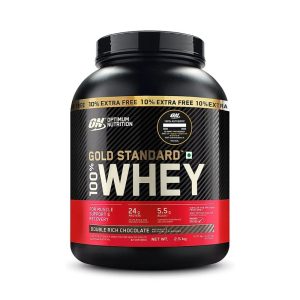
Proteine Whey Gold Standard 2.5 kg
If your Phase 1 tracking revealed consistently low protein intake — especially at breakfast or around workouts — this is the Phase 2 addition that addresses it directly. Gold Standard Whey delivers a complete amino acid profile per serving, making it a practical solution for the protein gap that many beginners identify once they start paying attention to their daily distribution.
How to Evaluate Supplement Quality Before You Buy
As your stack grows, the quality of each product matters more — because you are trusting multiple products to work together in your body every day. Here is what to look for at every price point.
Quality Markers That Matter
- Third-party testing: Look for USP, NSF, Informed Sport, or ConsumerLab verification — this means an independent lab confirmed the label is accurate
- Transparent dosing: Every single ingredient and its dose should be listed on the supplement facts panel — no proprietary blends hiding behind marketing names
- Active nutrient forms: Methylfolate over folic acid. Vitamin D3 over D2. Magnesium glycinate over magnesium oxide. Chelated minerals over basic salts. These forms are generally better absorbed
- GMP certification: The manufacturing facility meets Good Manufacturing Practices — a baseline quality standard
- Reasonable claims: Products that promise miraculous results are almost always under-delivering on actual ingredient quality
Red Flags to Walk Away From
Proprietary blends that hide doses are the biggest red flag. « Energy Matrix 500mg » tells you nothing about how much of each ingredient you are getting. Other warning signs include mega-doses of water-soluble vitamins (your body excretes the excess), marketing language that implies disease treatment (« fights cancer, » « cures diabetes »), and products that do not list the manufacturer or country of origin.
The price of a supplement should reflect ingredient quality, testing, and sourcing — not just brand marketing. That said, the most expensive product is not automatically the best. The sweet spot is typically mid-range products from brands that invest in third-party testing and transparent labeling. If you need help evaluating a specific product, our team is here to help.
Mistakes That Beginners Almost Always Make
We see these patterns repeatedly. Avoiding them will save you months of frustration and potentially hundreds of dollars.
🚨 Caution: Some supplements interact with prescription medications. Ashwagandha may affect thyroid medication. Omega-3s may interact with blood thinners. Magnesium can interfere with certain antibiotics and blood pressure drugs. St. John’s Wort interacts with nearly everything. Always disclose your full supplement list to your healthcare provider and pharmacist, especially when starting new prescription medications.
Mistake #1: Adding everything at once. The excitement of starting a wellness routine leads many beginners to buy five products in week one. The result is zero ability to evaluate what is working, potential digestive overwhelm, and a high likelihood of quitting the whole thing when they cannot tell whether any of it is helping. One product at a time. Give each one four weeks. Build slowly.
Mistake #2: Buying based on social media recommendations. Influencer endorsements are marketing, not medical advice. The person promoting a product was paid to do so, has a different body than yours, and has no knowledge of your health history. Use recommendations as a starting point for research — not as a shopping list.
Mistake #3: Expecting immediate results. Most supplements are not drugs. They do not produce dramatic effects within days. Nutritional supplementation works on the timescale of weeks to months, and the changes are often gradual rather than dramatic. If you are looking for an immediate, powerful effect, that is a medication conversation — not a supplement one.
Mistake #4: Not involving your healthcare provider. A quick conversation with your doctor or pharmacist about your planned supplement stack can catch potential interactions, identify redundancies, and confirm that your approach makes sense given your health history. This is especially important if you take prescription medications, are pregnant or nursing, or have any pre-existing conditions.
Mistake #5: Forgetting to re-evaluate. Your needs change. A supplement that was essential six months ago may no longer be necessary if your diet or lifestyle has improved. Every three to four months, audit your stack: Am I still taking this for a clear reason? Is it still addressing a gap? Could I get this nutrient from food now? Trim what is redundant. Keep what is earning its place.

Benefits and Honest Considerations
A thoughtfully built wellness stack can be a meaningful part of your health routine. But it is important to maintain realistic expectations about what supplements can and cannot do.
Benefits
- Fills common nutritional gaps that even a good diet may leave
- Phased approach prevents wasted money and helps identify what actually works
- Targeted additions can address specific concerns like sleep, recovery, or stress
- Simple foundation supplements are among the most well-researched interventions in nutrition
- Building the habit of daily supplementation often reinforces other healthy behaviors
Things to Consider
- Supplements cannot compensate for poor diet, inadequate sleep, or chronic stress
- Individual responses vary — what works for one person may do nothing for another
- Quality products cost money, and a full stack adds up over time
- Some benefits are subtle and hard to attribute to a single product without careful tracking
- Interactions with medications and health conditions require medical awareness
Phase 3 and Beyond: Fine-Tuning Your Stack
After eight weeks of phased building, you should have a clear, functional stack of three to five products — each one serving a specific purpose you can articulate. Phase 3 is about optimization, not addition.
Quarterly Stack Audits
Every three months, review each product in your stack and ask three questions. First: am I still taking this for a clear reason? If your sleep improved and you added magnesium for sleep, do you still need it? (Probably yes — magnesium supports ongoing function. But the question is worth asking.) Second: is this the best version of this product? Better formulations come to market, and your understanding of quality has grown since you started. Third: is there any overlap between products? A multivitamin plus a B-complex plus a magnesium supplement may be giving you triple doses of certain nutrients.
The Seasonal Adjustment
Your needs shift with seasons and life changes. Vitamin D supplementation may be more important in winter. Allergy season may call for temporary quercetin or extra vitamin C. A new training program may increase protein and magnesium needs. A particularly stressful period at work may warrant adaptogenic support. The best stacks are not static — they adapt.
💡 Good to Know: The goal is not to accumulate as many supplements as possible. A well-built stack for most healthy, active adults rarely needs more than four to five daily products. If your counter looks like a pharmacy shelf, it is time to simplify. More is not better — better is better. And if you are ever unsure, bloodwork provides objective data that takes the guessing out of the equation.
As your stack evolves, keep coming back to the fundamentals: foundation first, one addition at a time, track what you feel, evaluate before adding more. This process does not end — it just gets more refined over time.
For ongoing guidance on building and adjusting your wellness routine, the Dulson Sante blog covers new topics regularly. And if you want personalized recommendations, reach out to our team — we work with beginners every day and genuinely enjoy helping people find their starting point.
Frequently Asked Questions
How much should I expect to spend on a beginner wellness stack?
A solid foundation stack — multivitamin plus omega-3 — typically costs between $30 and $80 per month depending on product quality. Adding one targeted supplement in Phase 2 may bring the total to $50-$120 per month. Quality matters, but you do not need to buy the most expensive option. Look for third-party tested products with transparent labeling at the mid-price range. The most important investment is consistency, not premium pricing.
Can I take all my supplements at the same time?
Some can be taken together and some are better separated. A multivitamin and omega-3 can typically be taken together with breakfast. Magnesium is often better in the evening due to its calming effect. Iron (if you take it) should be separated from calcium and taken with vitamin C. Fat-soluble vitamins (A, D, E, K) absorb better with a meal containing fat. If your stack includes more than three products, a morning-and-evening split is usually the most practical approach.
How do I know if a supplement is interacting with my medication?
The safest approach is to disclose your full supplement list to your pharmacist — they have access to interaction databases that are more comprehensive than anything available to consumers online. Common high-risk interactions include omega-3s with blood thinners, magnesium with certain antibiotics, and adaptogens like ashwagandha with thyroid medication. Never start a new supplement without checking if you are on prescription medications. You can contact our team with questions, but your pharmacist is always the best resource for interaction screening.
Do I need to cycle off supplements periodically?
For most foundation supplements — multivitamins, omega-3s, vitamin D, magnesium — cycling is not necessary. These address ongoing nutritional needs. Adaptogens like ashwagandha and rhodiola are more commonly cycled, with practitioners often recommending patterns like five days on and two off, or eight weeks on and two weeks off. The rationale is that cycling may prevent your body from adapting to the effect, though the research on this specific practice is limited. When in doubt, follow the product label or your healthcare provider’s guidance.
What if I feel worse after starting a new supplement?
Stop taking the new product and see if the negative symptoms resolve. Common reactions include digestive discomfort (especially with iron, magnesium oxide, or high-dose omega-3), headaches (sometimes seen with B-vitamin complexes as the body adjusts), or sleep disruption (occasionally reported with adaptogens taken too late in the day). If symptoms are mild and digestive, try taking the supplement with more food or switching to a different form. If symptoms are significant or persistent, consult your healthcare provider before reintroducing it.
« Dietary supplements can help fill nutrient gaps, but they cannot take the place of the variety of foods that are important to a healthy diet. »
— National Institutes of Health, Office of Dietary Supplements
🌿 Explore Our Natural Products →
⚠️ Disclaimer: The information in this article is provided for educational purposes only and does not constitute medical advice. Always consult a qualified healthcare professional before starting any supplement or making changes to your health routine. Individual results may vary. These statements have not been evaluated by the Food and Drug Administration. This product is not intended to diagnose, treat, cure, or prevent any disease.