
Avocado Oil Benefits for Daily Wellness and Easy Ways to Use It
Most people think of avocado oil as a cooking upgrade. It is. But its real potential stretches far beyond the kitchen — into your skin routine, your scalp health, and even how well your body absorbs key vitamins.
In This Article
- What Makes Avocado Oil Stand Out From Other Oils
- The Nutritional Profile Behind the Benefits
- Avocado Oil in the Kitchen: Beyond Salad Dressing
- Skin Benefits: How Avocado Oil Supports Your Barrier
- Scalp and Hair: Practical Treatments That Work
- The Fat-Soluble Vitamin Connection Most People Miss
- How to Choose Quality Avocado Oil
- Common Mistakes With Avocado Oil
- Benefits and Honest Considerations
- Building Avocado Oil Into a Simple Daily Routine
- Frequently Asked Questions
Avocado oil has had a quiet rise. While coconut oil grabbed the headlines and olive oil held its traditional throne, avocado oil slipped into kitchens and bathrooms almost without fanfare. And honestly, that understated arrival might be part of its strength — the people who use it tend to stick with it, not because of marketing hype, but because it genuinely works.
What most guides miss, though, is the full scope of what avocado oil can do. The cooking advice is everywhere — high smoke point, good for grilling, nice in vinaigrettes. Fine. But the non-kitchen applications — skin moisturizing, scalp nourishment, and its remarkable ability to enhance the absorption of fat-soluble vitamins — rarely get the detailed treatment they deserve.
That is what this article is about. We are going beyond the surface-level cooking tips to cover practical, specific ways to use avocado oil across your daily routine — with real measurements, real methods, and honest boundaries about what it can and cannot do. At Dulson Sante, we carry avocado oil because we believe in its versatility, and we want you to get the most out of it.
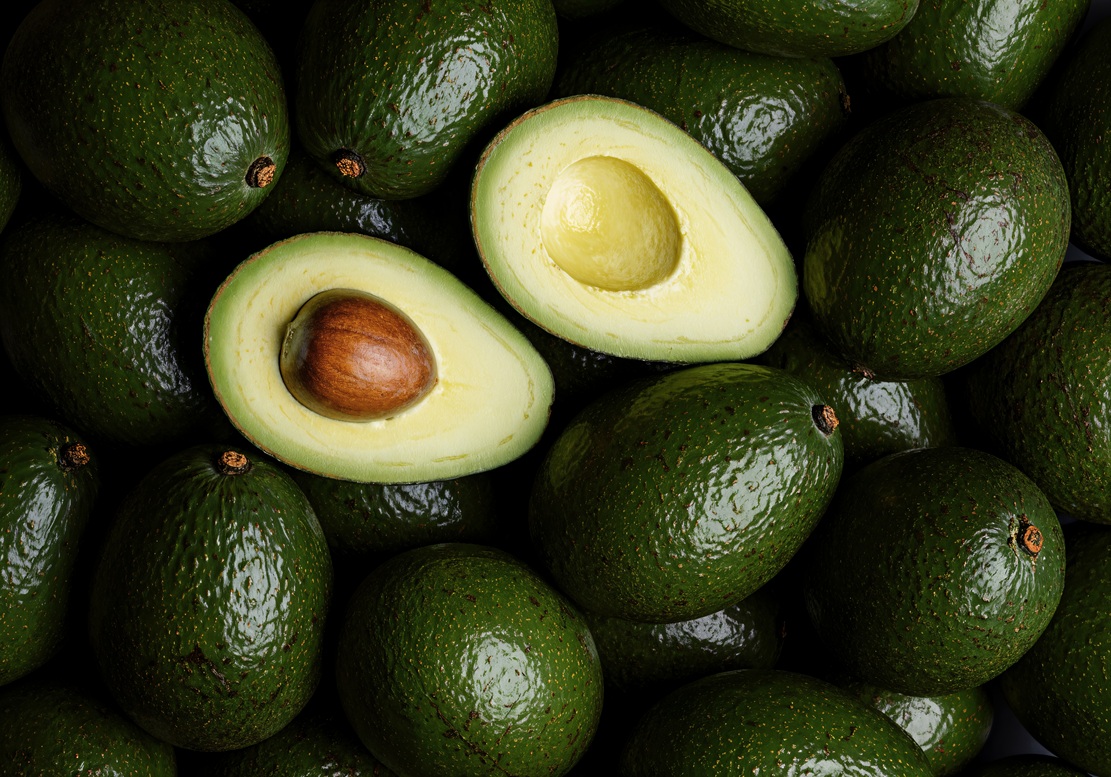
What Makes Avocado Oil Stand Out From Other Oils
ℹ️ Did You Know: Avocado oil is one of the few cooking oils extracted from the flesh of the fruit rather than the seed or kernel. This gives it a different nutrient composition than most plant oils — closer to olive oil in its fatty acid profile but with a higher smoke point and a milder flavor.
The simplest way to understand avocado oil’s appeal is to look at where it fits compared to the oils most people already know. It shares olive oil’s heart-healthy monounsaturated fat profile (primarily oleic acid) but handles higher cooking temperatures. It shares coconut oil’s versatility across cooking and body care, but without the high saturated fat content or the comedogenic risk on facial skin.
That combination of properties — high oleic acid, high smoke point, skin-compatible, and mild-flavored — is genuinely unusual in a single oil. Most oils excel in one area but fall short in others. Avocado oil holds its own across all of them.
What we find particularly interesting is how well it works as a carrier for other nutrients. Avocado oil has a natural affinity for fat-soluble compounds, which means it can help your body absorb vitamins A, D, E, and K more effectively when consumed alongside foods rich in those nutrients. We will dig into that mechanism in detail later in this article.
~520°F
Smoke point of refined avocado oil — one of the highest among all cooking oils
The Nutritional Profile Behind the Benefits
Let us look at what is actually inside avocado oil that makes it useful for so many applications. The numbers tell a compelling story.
That 65-70% oleic acid content is the headline number. Oleic acid is a monounsaturated omega-9 fatty acid that research has associated with supporting cardiovascular health markers and reducing inflammatory responses in the body. It is the same fatty acid that gives olive oil its reputation — and avocado oil matches or exceeds olive oil’s oleic acid content.
Beyond the fatty acids, avocado oil contains meaningful amounts of vitamin E (about 3-5 mg per tablespoon, depending on the source), lutein (a carotenoid associated with eye health), and various plant sterols called phytosterols that some research suggests may support healthy cholesterol levels.
One tablespoon of avocado oil contains approximately 124 calories and 14 grams of fat, of which roughly 10 grams are monounsaturated and only about 2 grams are saturated. Compare that to coconut oil’s 12 grams of saturated fat per tablespoon, and you can see why avocado oil appeals to people monitoring their saturated fat intake.
Avocado Oil in the Kitchen: Beyond Salad Dressing
You already know avocado oil is good for cooking. But let us get specific about where it truly shines — because « good for cooking » is about as helpful as « good for your health. »
💡 Good to Know: Refined avocado oil’s smoke point of approximately 520 degrees Fahrenheit makes it one of the most heat-stable cooking oils available. This means it maintains its structure at temperatures where olive oil, coconut oil, and even many seed oils would start breaking down and producing harmful compounds.
High-heat cooking: This is avocado oil’s greatest kitchen strength. Searing steaks, stir-frying at maximum heat, roasting vegetables at 450+ degrees — avocado oil handles all of it without smoking or degrading. Use about 1-2 tablespoons depending on pan size.
Grilling: Brush avocado oil directly onto meats, fish, or vegetables before grilling. It prevents sticking better than most oils because it does not break down at grill temperatures. About 1 teaspoon per protein portion is typically enough.
Homemade mayonnaise: Avocado oil produces a milder, lighter mayonnaise than olive oil. Its neutral flavor (especially the refined variety) lets the egg and acid flavors come through without the bitterness that olive oil sometimes adds at high emulsion concentrations.
Finishing oil: Drizzle unrefined avocado oil over salads, soups, or grain bowls. The subtle, buttery flavor complements most dishes without overpowering them. One teaspoon per serving adds richness and helps your body absorb the fat-soluble vitamins in your vegetables — more on that shortly.
One thing we appreciate about avocado oil in the kitchen is its versatility across the flavor spectrum. Coconut oil always adds a tropical note. Olive oil has a distinct character. Avocado oil — especially refined — is almost flavor-neutral, making it the oil that never clashes with your recipe.
Start Your Avocado Oil Routine
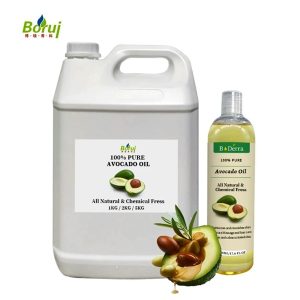
Avocado Oil
Everything we have covered so far — the high smoke point, the oleic acid profile, the vitamin E content — comes together in this pure avocado oil. Whether you plan to use it for searing, salad dressing, or the skin applications we are about to discuss, it is designed for daily versatility across your kitchen and body care routine.
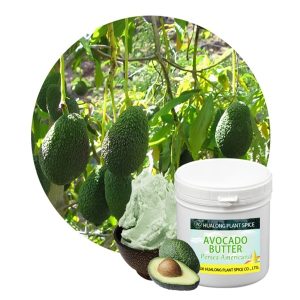
Avocado Butter
For intensive skin nourishment — especially on dry areas like elbows, heels, and hands — avocado butter provides a richer, more concentrated form of the same beneficial fatty acids found in the oil. It may be a useful addition to the body care strategies we will cover in the skin section below.
Skin Benefits: How Avocado Oil Supports Your Barrier
Now let us move beyond the kitchen. Avocado oil has genuine skincare applications, and unlike coconut oil, it sits at a much lower comedogenic rating — making it safer for a wider range of skin types, including some combination and oily skins.
The primary mechanism is straightforward. Avocado oil is rich in oleic acid, which closely resembles the fatty acids in human sebum (your skin’s natural oil). This structural similarity means the skin recognizes avocado oil more readily than many synthetic moisturizers, potentially allowing better integration into the skin barrier.
| Skin Application | Method | Amount | Frequency |
|---|---|---|---|
| Face moisturizer | Apply to clean, damp skin. Pat gently — do not rub. | 3-4 drops | Nightly (start 2-3x/week to test) |
| Body moisturizer | Apply to damp skin after shower, focusing on dry areas. | 1/2 teaspoon per area | Daily |
| Under-eye area | Gently dab around orbital bone with ring finger. | 1 drop per eye | Nightly |
| Dry hands | Rub between palms, massage into cuticles and knuckles. | 3-5 drops | As needed, especially after washing |
| Minor skin irritation | Apply thin layer to clean, intact skin. | A few drops | 2-3x daily until soothed |
A 2011 study published in the Journal of Clinical and Aesthetic Dermatology suggested that topical oleic acid-rich oils may support wound-adjacent skin healing by supporting the skin’s lipid barrier function. While avocado oil was not always the specific oil tested, its fatty acid composition aligns with the profiles that showed the most promising results in barrier repair research.
✅ Benefit: Unlike coconut oil (comedogenic rating 4/5), avocado oil has a comedogenic rating of approximately 2/5 — meaning it is much less likely to clog pores. This makes it a more suitable face oil for a broader range of skin types, though anyone acne-prone should still patch test first.
One practical tip that often gets overlooked: avocado oil absorbs into the skin more slowly than lighter oils like jojoba or grapeseed. If you find it too heavy for daytime use, apply it as a night treatment instead. Your skin does most of its repair work while you sleep anyway, so the slower absorption actually works in your favor overnight.
Scalp and Hair: Practical Treatments That Work
Avocado oil’s hair benefits come from a different angle than coconut oil’s. Where coconut oil penetrates the hair shaft to reduce protein loss (thanks to lauric acid), avocado oil works primarily on the surface — coating the strand to add shine, reduce friction, and protect against environmental damage.
For the scalp specifically, avocado oil’s oleic acid content may help moisturize and soften dry, flaky scalps. It is not a dandruff treatment — if you have persistent flaking, see a dermatologist — but for general dryness, it can make a noticeable difference.
Pre-Wash Scalp Treatment
Warm 1 tablespoon of avocado oil between your palms. Massage directly into your scalp using fingertips in small circular motions for 3-5 minutes. Leave for 20-30 minutes, then shampoo as normal. The gentle massage combined with the oil may help loosen dry flakes and nourish the scalp skin. Once a week is sufficient for most people.
Leave-In Frizz Smoother
After washing and towel-drying your hair, apply 2-3 drops of avocado oil to your palms. Run through mid-lengths and ends — avoid the roots unless your hair is very coarse. This creates a light coating that tames frizz, adds shine, and provides some heat protection if you are blow-drying.
Deep Conditioning Mask (Combined With Coconut Oil)
Mix 1 tablespoon avocado oil with 1 tablespoon coconut oil. Apply from roots to ends, cover with a shower cap, and leave for 1-2 hours or overnight. This combination gives you coconut oil’s shaft-penetrating benefits plus avocado oil’s surface coating — a one-two punch that addresses both internal structure and external protection.
Hair types that respond particularly well to avocado oil include thick, coarse, curly, and chemically processed hair. If your hair is fine and tends toward oiliness, use avocado oil sparingly and only on the ends to avoid weighing it down.
The Fat-Soluble Vitamin Connection Most People Miss
This is the section that makes avocado oil genuinely interesting from a nutritional standpoint — and it is the one most articles skip entirely.
Vitamins A, D, E, and K are fat-soluble, meaning your body needs dietary fat present in order to absorb them efficiently. Eating a salad loaded with vitamin-A-rich carrots and vitamin-K-rich spinach is great — but if there is no fat in that salad, your body absorbs significantly less of those nutrients.
💡 Good to Know: A 2005 study published in the Journal of Nutrition found that adding avocado or avocado oil to salads increased carotenoid absorption by 2 to 15 times compared to salads without added fat. The monounsaturated fat profile of avocado appeared to be particularly effective at enhancing this absorption.
This is where avocado oil earns a role beyond just « healthy cooking oil. » When you drizzle it on vegetables, mix it into a smoothie with leafy greens, or use it as a dressing base, you are not just adding calories — you are creating the conditions for better nutrient absorption from the foods you are already eating.
Practical applications of this principle:
- Salads: Use 1-2 teaspoons of avocado oil as a dressing base with lemon juice or vinegar. Your body will absorb more of the beta-carotene from carrots, the lutein from greens, and the vitamin K from leafy vegetables.
- Smoothies: Add 1 teaspoon of avocado oil to fruit and vegetable smoothies. It blends seamlessly without affecting flavor much, and it enhances the absorption of any fat-soluble vitamins in the mix.
- Cooked vegetables: Drizzle a teaspoon over steamed or roasted vegetables after cooking. Tomatoes, sweet potatoes, and dark leafy greens are particularly good candidates because they are rich in fat-soluble nutrients.
- With supplements: If you take fat-soluble vitamin supplements (D3, K2, vitamin A), taking them with a meal that includes avocado oil may support better absorption.
This nutrient synergy is one of the strongest arguments for making avocado oil a regular part of your diet — not as a replacement for other oils, but as a strategic addition that enhances the nutritional value of the food you are already eating.
Support Your Daily Wellness Routine
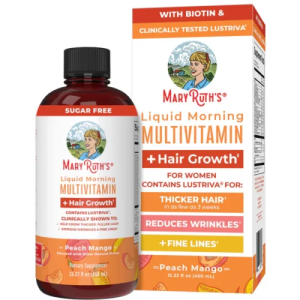
Liquid Morning Multi Vitamin
We just discussed how fat-soluble vitamins need dietary fat for proper absorption. Pairing a quality multivitamin with avocado oil-dressed meals may help your body get more from each dose. This liquid formula is designed for efficient nutrient delivery and may complement the dietary strategies we outlined above.

Insulated Bottle
Building daily wellness habits works best when the basics are covered — and hydration is the most fundamental one. This insulated bottle keeps your water cold throughout the day and makes it easier to maintain the consistent hydration that supports healthy skin and overall wellness alongside your oil routine.
How to Choose Quality Avocado Oil
Here is something that might surprise you: a significant portion of commercial avocado oil may not be what it claims. A 2020 study from the University of California, Davis found that a majority of avocado oils tested were either oxidized, adulterated with cheaper oils, or mislabeled regarding their grade. That is a problem — and it means being a careful shopper matters.
Avocado Oil Quality Checklist
- Check the color: Pure, unrefined avocado oil should be green to deep green. If it is pale yellow or clear, it is likely refined or possibly adulterated with lighter oils.
- Look for « cold-pressed » or « expeller-pressed »: These indicate mechanical extraction without chemical solvents.
- Read the ingredient list: It should contain only avocado oil. No blending oils, no additives.
- Buy from reputable brands: Brands that offer transparency about sourcing and processing are generally more reliable. Third-party testing certification is a strong indicator of quality.
- Check the harvest or bottling date: Avocado oil is best used within 12-18 months. Unlike some oils, it does not improve with age.
- Dark glass bottles: Light accelerates oxidation. Quality avocado oil typically comes in dark-colored glass or opaque containers, not clear plastic.
⚠️ Important: « Pure avocado oil » on a label does not always mean 100% avocado oil. Some brands use this term even when blending with soybean or sunflower oil. Always check the ingredient list, and if only « avocado oil » is listed but the price seems too good to be true, it probably is. Communities like r/SkincareAddiction on Reddit frequently discuss which brands pass independent testing for purity.
For cooking purposes, refined avocado oil is fine and often the practical choice — it handles high heat well and has a long shelf life. For skin and hair applications, unrefined (virgin) avocado oil is generally the better option because it retains more of its natural vitamin E and carotenoids.

Common Mistakes With Avocado Oil
Even with a forgiving oil like avocado, there are ways to get less out of it — or waste money unnecessarily. These are the mistakes we see most often.
🚨 Caution: Buying avocado oil in clear plastic bottles and storing it on a bright countertop is one of the fastest ways to ruin it. Light and heat oxidize the oil, breaking down the beneficial fatty acids and creating off-flavors. Store it in a cool, dark cabinet with the cap tightly sealed.
Mistake #1: Using unrefined avocado oil for high-heat frying. Unrefined avocado oil has a slightly lower smoke point than refined — around 375-400 degrees Fahrenheit versus 520 degrees Fahrenheit. For searing and deep frying, use refined. Save the unrefined for dressings, finishing, and body care.
Mistake #2: Over-applying to hair. Avocado oil is heavier than many other hair oils. Using too much — especially near the roots — leads to limp, greasy-looking hair. Start with 2-3 drops for leave-in application, and only increase if your hair genuinely needs more.
Mistake #3: Expecting it to replace sunscreen. Avocado oil contains some naturally occurring UV-protective compounds, but nowhere near enough to function as sunscreen. Always use a dedicated SPF product for sun protection.
Mistake #4: Not patch-testing before facial use. While avocado oil has a lower comedogenic rating than coconut oil, some people still react to it. Apply a small amount to your jawline for 2-3 nights before committing to full-face use. If you break out, it is not for your face — but it will still work great on your body.
Mistake #5: Assuming all brands are equal. As we mentioned, the UC Davis study found widespread quality issues. Do not assume that the cheapest option on the shelf is a bargain — it might be diluted with cheaper oils. Spend a little more for verified quality from sources you trust, like our curated selection at Dulson Sante.
Benefits and Honest Considerations
Let us wrap up the factual comparison with a transparent look at both sides — because every ingredient, no matter how promising, comes with trade-offs.
Benefits
- Highest smoke point among commonly available natural oils (refined)
- Rich in oleic acid — associated with cardiovascular and skin health support
- Enhances absorption of fat-soluble vitamins A, D, E, and K
- Lower comedogenic rating than coconut oil — safer for more skin types
- Contains natural vitamin E and lutein
- Mild flavor works across all cooking styles
- Effective as both a cooking oil and a body care ingredient
Things to Consider
- Quality varies widely — adulteration is a documented industry problem
- More expensive than many other cooking oils per ounce
- Does not penetrate the hair shaft like coconut oil — surface-level coating only
- Can feel heavy on fine hair and lightweight skin types
- Unrefined versions have a shorter optimal shelf life than refined
- Some people may still experience breakouts on facial skin
Find the Right Natural Oil for You →
Building Avocado Oil Into a Simple Daily Routine
Building a habit works best when it attaches to things you are already doing. Here is a straightforward weekly schedule that integrates avocado oil into your existing routine without adding complexity.
Every Morning: Cooking and Nutrition
Use 1 tablespoon of avocado oil for cooking eggs, sauteing vegetables, or drizzling over your breakfast bowl. This provides a daily dose of oleic acid and enhances absorption of fat-soluble vitamins from your morning foods.
Lunch or Dinner (Daily): Finishing Oil
Drizzle 1 teaspoon of unrefined avocado oil over salads, grain bowls, or cooked vegetables. The mild flavor enhances without overpowering, and you get the nutrient-absorption synergy we discussed.
Every Night: Skin Moisturizer
After washing your face, apply 3-4 drops of avocado oil to damp skin. Pat gently into the face, neck, and hands. The overnight absorption window lets the oil work with your skin’s natural repair cycle.
Sunday: Scalp and Hair Treatment
Once a week, massage 1 tablespoon into your scalp and run a small amount through your ends. Leave for 20-30 minutes, then shampoo. This weekly ritual maintains scalp hydration and hair surface protection without daily effort.
That is four touch points across your week, using a single bottle of avocado oil. No complicated protocols, no specialty products — just a practical integration of a genuinely useful ingredient into a routine you are probably already following. If you have questions about getting started, our team is available to help.

Frequently Asked Questions
Is avocado oil better than olive oil?
Neither is universally « better » — they serve different purposes well. Avocado oil has a significantly higher smoke point (520 degrees Fahrenheit refined vs. 375 degrees Fahrenheit for extra-virgin olive oil), making it superior for high-heat cooking. Olive oil has a stronger body of research behind its cardiovascular benefits and a more distinctive flavor for Mediterranean dishes. The ideal kitchen strategy is to use both — olive oil for low-heat cooking and dressings, avocado oil for high-heat applications.
Can I use avocado oil on my face if I have oily skin?
Avocado oil has a comedogenic rating of approximately 2 out of 5, which is moderate. Some people with oily skin tolerate it well; others do not. The safest approach is to patch test on your jawline for 3-5 nights. If no breakouts appear, you can gradually expand to your full face. If you do react, stick to body application — legs, arms, hands — where clogged pores are rarely an issue. Our product collection includes options for different skin needs.
How should I store avocado oil?
Store it in a cool, dark place — a kitchen cabinet away from the stove is ideal. Keep the cap tightly sealed after each use to minimize air exposure. Avoid clear containers on countertops. Properly stored, refined avocado oil lasts about 12-18 months; unrefined lasts slightly less. If it develops an off smell, tastes bitter, or changes color significantly, discard it.
Does avocado oil help with stretch marks?
There is limited clinical evidence specifically linking avocado oil to stretch mark reduction. However, its vitamin E content and oleic acid profile may help maintain skin elasticity and hydration, which are factors that influence stretch mark formation. Regular application to areas prone to stretching (during pregnancy or weight changes) may support skin suppleness, though it is unlikely to eliminate existing stretch marks. For established stretch marks, consult a dermatologist about evidence-based treatments.
Can avocado oil go bad?
Yes. Like all oils, avocado oil can oxidize and become rancid over time — especially if exposed to light, heat, or air. Signs include a sour or stale smell, bitter taste, or significant darkening. Rancid oil should not be consumed or applied to skin, as oxidized fats may generate free radicals. Buying from sources with clear bottling dates and proper dark-glass packaging minimizes this risk.
« The addition of avocado fruit or avocado oil to either salsa or salad significantly enhanced the subjects’ absorption of carotenoids, including alpha-carotene, beta-carotene, and lutein, from the accompanying vegetables. »
— Unlu et al., Journal of Nutrition, 2005
🌿 Explore Our Natural Products →
⚠️ Disclaimer: The information in this article is provided for educational purposes only and does not constitute medical advice. Always consult a qualified healthcare professional before starting any supplement or making changes to your health routine. Individual results may vary. These statements have not been evaluated by the Food and Drug Administration. This product is not intended to diagnose, treat, cure, or prevent any disease.