
Blood Flow, Stress, and Sleep: The Hidden Trio Behind Male Performance
Most articles treat blood flow, stress, and sleep as separate topics. But they form a feedback loop — and understanding that loop is the key to addressing all three at once.
In This Article
- The Feedback Loop Most Articles Miss
- How Chronic Stress Disrupts Sleep Architecture
- Poor Sleep and the Nitric Oxide Connection
- Blood Flow, Performance, and What the Research Shows
- Warning Signs That the Loop Is Active
- Breaking the Cycle — Practical Daily Strategies
- Natural Ingredients That May Support All Three
- Mistakes That Keep Men Stuck in the Loop
- Benefits and Honest Limitations of the Triple Approach
- Your Action Plan — Where to Start Tonight
- Frequently Asked Questions
Here is something that does not get said enough: blood flow, stress, and sleep are not three separate health topics. They are three points on the same circle. Chronic stress impairs your sleep. Poor sleep reduces your body’s ability to produce nitric oxide. Reduced nitric oxide means less blood flow. And reduced blood flow further elevates stress markers. Round and round it goes.
Most of the content you find online treats each of these factors in isolation — one article about sleep hygiene, another about stress management, a third about circulation. But the men who actually see improvement are the ones who recognize the connection and address the loop as a whole, not one fragment at a time.
At Dulson Sante, we built this article to give you what most content misses: the complete picture of how these three systems interact, why they matter specifically for male performance and vitality, and what you can realistically do about it starting today.

The Feedback Loop Most Articles Miss
ℹ️ Did You Know: Research on cardiovascular health and male performance increasingly points to a self-reinforcing cycle: stress raises cortisol, which fragments sleep, which reduces nitric oxide synthesis, which impairs vascular function, which triggers more stress signaling. This is not three separate problems — it is one interconnected system.
Think of your body as a set of interconnected loops rather than separate machines. When one loop — say, your stress response — stays chronically activated, it does not just affect your mood. It pulls on every other system connected to it.
Cortisol, the primary stress hormone, has direct effects on blood vessel tone. When cortisol remains elevated, blood vessels constrict. This reduces peripheral blood flow — including to the extremities and pelvic region. Less blood flow means less oxygen delivery, less nutrient transport, and reduced nitric oxide availability. And nitric oxide is the molecule your body relies on to keep blood vessels relaxed and open.
At the same time, elevated cortisol disrupts sleep architecture. It keeps your brain in a lighter, more vigilant state — which means less time in the deep sleep stages (stages 3 and 4) where your body does its most critical repair work. Less deep sleep means less testosterone production, less growth hormone release, and — critically — less overnight nitric oxide synthesis.
So you wake up with lower nitric oxide levels, which means reduced blood flow throughout the day, which impairs physical performance and mental energy, which increases stress, which elevates cortisol further. The loop feeds itself.
Blood Flow
Impaired by stress-driven vasoconstriction
Chronic Stress
Elevates cortisol, fragments sleep
Poor Sleep
Reduces nitric oxide and hormone production
How Chronic Stress Disrupts Sleep Architecture
Let us get more specific about the stress-sleep connection, because understanding the mechanism makes the solutions more intuitive.
Your body has two primary operating modes managed by the autonomic nervous system. The sympathetic nervous system handles « fight or flight » — alertness, rapid response, elevated heart rate. The parasympathetic nervous system handles « rest and digest » — relaxation, recovery, repair. Good sleep requires a solid shift from sympathetic to parasympathetic dominance in the hours before and during sleep.
Chronic stress keeps the sympathetic system running in the background, even when there is no immediate threat. Your body stays in a low-level alert state. Heart rate variability decreases. Core body temperature stays slightly elevated. And your brain resists entering the deepest stages of sleep because, from an evolutionary standpoint, it does not feel safe enough to fully power down.
The result? You might fall asleep fine — especially if you are exhausted — but you cycle through sleep stages abnormally. You spend too much time in light sleep (stage 1 and 2) and not enough in deep slow-wave sleep (stage 3) or REM. This is why many stressed men report sleeping seven or eight hours but still waking up feeling unrested. The duration is there but the quality is not.
💡 Good to Know: Deep slow-wave sleep is when 60-70% of daily growth hormone secretion occurs. It is also when testosterone production peaks. Missing this sleep stage does not just leave you tired — it directly affects your hormonal environment and recovery capacity.
This is not abstract biology. It has immediate, tangible consequences for how you feel and perform every day. And it explains why so many men who « sleep enough hours » still struggle with energy, mood, and physical performance.
Poor Sleep and the Nitric Oxide Connection
This is where the loop gets especially relevant for male performance. Nitric oxide (NO) is a signaling molecule that tells your blood vessels to relax and dilate. It is the primary mechanism behind healthy blood flow — including flow to the brain, muscles, heart, and reproductive organs.
Your body produces nitric oxide through two main pathways. The enzymatic pathway uses an enzyme called nitric oxide synthase (NOS) to convert the amino acid L-arginine into nitric oxide. The dietary pathway converts nitrates from foods like beets, spinach, and arugula into nitric oxide through bacteria in your mouth and stomach.
Both pathways are sensitive to sleep quality. Research suggests that sleep deprivation and fragmented sleep reduce NOS activity, lower nitric oxide metabolite levels in the blood, and impair the endothelial cells that line your blood vessels and produce NO on demand.
40%
Estimated reduction in endothelial function after just one week of restricted sleep (less than 5 hours per night), according to vascular health studies
The downstream effects are significant. Reduced nitric oxide means your blood vessels cannot dilate properly. Blood flow to exercising muscles is impaired — which is why workouts feel harder after a bad night of sleep. Mental performance suffers because the brain is one of the most blood-flow-dependent organs in your body. And sexual function is directly tied to nitric oxide-mediated blood flow in the pelvic region.
This is not a minor connection. It is a central mechanism that links sleep quality to virtually every aspect of male performance. And it explains why men who address their sleep often see improvements across multiple areas simultaneously — energy, focus, exercise capacity, and intimate wellness — without changing anything else.
Natural Support for the Blood Flow-Stress-Sleep Connection
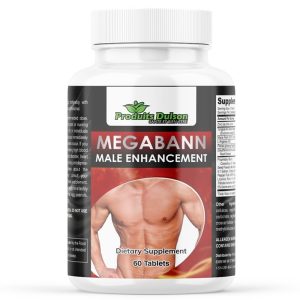
Megabann Male Enhancement
The feedback loop we just described — stress impairing sleep, sleep reducing nitric oxide, and reduced blood flow compounding the problem — is exactly the cycle that Megabann’s natural formula is designed to support. With ingredients traditionally associated with male endurance and circulatory support, it may complement the lifestyle strategies covered in this article.
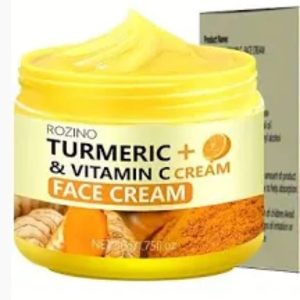
Rozino Turmeric
Chronic inflammation is a key driver of the stress-sleep-blood flow loop we explored above. Curcumin, the active compound in turmeric, has been widely studied for its traditional anti-inflammatory and antioxidant properties, and some research suggests it may support healthy endothelial function — the very cells responsible for nitric oxide production.
Blood Flow, Performance, and What the Research Shows
Let us put some structure around how blood flow specifically affects different aspects of male performance. This is not about fear-mongering — it is about understanding why addressing circulation is so high-leverage.
| Performance Area | Role of Blood Flow | Impact When Impaired |
|---|---|---|
| Physical endurance | Delivers oxygen and nutrients to working muscles | Faster fatigue, longer recovery, reduced strength output |
| Mental sharpness | The brain receives 15-20% of total cardiac output | Brain fog, poor concentration, slower reaction time |
| Sexual function | Erection quality depends directly on nitric oxide-mediated vasodilation | Reduced firmness, inconsistent response, lower satisfaction |
| Mood and motivation | Neurotransmitter production requires adequate cerebral blood flow | Flat mood, reduced drive, emotional reactivity |
| Recovery from exercise | Blood carries away metabolic waste and delivers repair nutrients | Prolonged soreness, increased injury risk, slower adaptation |
Notice how blood flow touches essentially every dimension of what men mean when they say « performance. » It is not just about the gym or the bedroom — it is about how well your entire body functions on a cellular level. And the common denominator behind impaired blood flow in otherwise healthy men? Chronic stress and poor sleep.
This is why we keep coming back to the loop. Fixing circulation without addressing stress and sleep is like patching a tire with a nail still in it. It might hold for a while, but the underlying problem is still there.
Warning Signs That the Loop Is Active
How do you know if the stress-sleep-blood flow feedback loop is affecting you? Here are the patterns that suggest it might be running in the background.
Signs the Feedback Loop May Be Active
- You sleep enough hours but wake up feeling unrefreshed
- Your hands and feet are frequently cold (peripheral circulation)
- Afternoon energy crashes happen almost daily, regardless of meals
- Exercise capacity has declined noticeably without a clear reason
- You feel mentally sharp in the morning but foggy by mid-afternoon
- Recovery from workouts takes significantly longer than it used to
- You notice reduced firmness or consistency in sexual response
- You feel wired but tired — exhausted yet unable to relax
- You catch yourself breathing shallowly or holding tension in your jaw and shoulders
If you recognize four or more of these patterns, the feedback loop is likely contributing to your experience. The good news? Because these three factors are interconnected, improving any one of them tends to have a positive cascading effect on the other two. You do not have to fix everything at once — you just have to find the right entry point.
⚠️ Important: Significant changes in sexual function, sudden onset of severe fatigue, or chest-related symptoms should always be evaluated by a healthcare professional. These can be early indicators of cardiovascular issues that require medical attention beyond lifestyle adjustments.

Breaking the Cycle — Practical Daily Strategies
The most effective entry point for breaking this loop is usually sleep. Here is why: improving sleep quality reduces cortisol more reliably than most stress management techniques. Lower cortisol improves nitric oxide production. Better nitric oxide means better blood flow. And better blood flow supports deeper sleep the following night. You turn the vicious cycle into a virtuous one.
Evening: Create a Cortisol Wind-Down
Two hours before bed, lower lights, stop work-related tasks, and avoid stimulating content. Cold-water exposure on the face and wrists (even just 30 seconds) can trigger a parasympathetic shift. Avoid screens or use blue-light blocking settings. This signals your nervous system that the alert phase is over.
Night: Optimize for Deep Sleep
Cool room (65-68 degrees F), total darkness, and consistent timing are the foundations. Magnesium glycinate before bed may support muscle relaxation and sleep quality. Avoid eating within 2-3 hours of bedtime — digestion competes with the deep-sleep process.
Morning: Support Nitric Oxide Production
Sunlight exposure within 30 minutes of waking helps regulate your circadian rhythm and cortisol curve. A morning meal rich in nitrate-containing vegetables (spinach, beets, arugula) and L-arginine sources (turkey, pumpkin seeds, soybeans) supports the raw materials for NO synthesis.
Daytime: Manage the Stress Response
A 10-15 minute walk after lunch reduces afternoon cortisol spikes more effectively than most people realize. Box breathing (4 seconds in, 4 hold, 4 out, 4 hold) during stressful moments can shift your nervous system state in under two minutes. Consistent micro-recovery throughout the day prevents cortisol from accumulating.
Exercise: Train Smart, Not Just Hard
Moderate-intensity resistance training supports testosterone and growth hormone. Excessive high-intensity training without recovery elevates cortisol. Keep intense sessions to 3-4 per week and include active recovery days. Post-workout cold exposure (even a cool shower) may support circulation and inflammation management.
People often discuss these strategies in communities like r/Supplements on Reddit, where real user experiences confirm that addressing the sleep-stress-circulation connection as a system produces better results than tackling each factor alone.
Natural Ingredients That May Support All Three
Certain natural ingredients have research profiles that span stress, sleep, and circulation — making them particularly relevant for the feedback loop we have been discussing.
| Ingredient | Stress Support | Sleep Support | Blood Flow Support |
|---|---|---|---|
| Ashwagandha | May reduce cortisol levels | Some studies suggest improved sleep quality | Indirect — via cortisol and stress reduction |
| Magnesium | Supports nervous system relaxation | May improve deep sleep duration | Required for smooth muscle relaxation in blood vessels |
| L-Citrulline | Indirect — via improved blood flow to brain | Minimal direct evidence | Converted to L-arginine, the precursor to nitric oxide |
| Curcumin (Turmeric) | Anti-inflammatory — may reduce stress-driven inflammation | Indirect — via inflammation reduction | Some research suggests improved endothelial function |
| Zinc | Supports immune function under stress | Involved in melatonin synthesis | Essential for testosterone production, which supports vascular health |
A few things to keep in mind. No single ingredient addresses all three pathways equally — that is why a multi-ingredient approach often makes more sense than relying on one compound. The form of each ingredient matters for absorption (magnesium glycinate over oxide, for example). And consistent daily use for 4-8 weeks is typically needed before meaningful effects become apparent.
If you are taking medications — especially blood pressure drugs, blood thinners, or sleep medications — check with your healthcare provider before adding supplements. Some of these ingredients may interact with common prescriptions.
✅ Practical Approach: Rather than trying to address all three factors with supplements alone, use supplements to fill specific gaps while building the lifestyle habits that provide the strongest foundation. The combination of smart habits and targeted natural support is where most men see the best results.
Mistakes That Keep Men Stuck in the Loop
Some well-intentioned habits actually make the stress-sleep-blood flow loop worse. Here are the most common ones we see.
🚨 Caution: Using alcohol as a sleep aid is one of the most counterproductive habits for this feedback loop. While alcohol may help you fall asleep faster, it suppresses REM sleep, fragments sleep architecture, reduces overnight nitric oxide production, and increases overnight cortisol — worsening every element of the loop simultaneously.
Late-night intense exercise. A hard workout at 9 PM spikes cortisol and core body temperature right when both should be declining. Move intense training to the morning or early afternoon. Evening exercise should be low-intensity — walking, stretching, or gentle yoga.
Caffeine past 2 PM. Caffeine has a half-life of 5-6 hours. That 3 PM coffee still has half its stimulant effect at 9 PM, even if you do not feel it. It reduces deep sleep duration — the exact phase where testosterone and nitric oxide recovery happen.
Scrolling screens before bed. Beyond the blue light issue, stimulating content (news, social media arguments, work emails) keeps the sympathetic nervous system activated. Your body cannot shift into recovery mode while your brain is in reactive mode.
Ignoring the signs because blood work looks normal. Standard blood panels do not measure nitric oxide levels, sleep architecture, or cortisol curves. A man can have « normal » blood work and still be deep in this feedback loop. If your symptoms match, trust your experience and address the lifestyle factors regardless of what the numbers say.
Taking multiple stimulants to compensate. Pre-workout supplements, caffeine pills, energy drinks — these mask the symptoms while worsening the underlying loop. They spike cortisol, impair sleep, and create dependency. Use them sparingly, if at all, and never as a substitute for addressing the root cause.
Benefits and Honest Limitations of the Triple Approach
Addressing blood flow, stress, and sleep simultaneously is the most effective strategy — but it has its limitations. Let us be straightforward about both sides.
Potential Benefits of the Triple Approach
- Addresses root causes rather than symptoms
- Improvements in one area tend to cascade into the others
- No dependence on pharmaceutical interventions for sub-clinical issues
- Lifestyle changes are free and have no side effects
- Natural supplements can fill specific gaps without harsh effects
- May improve performance across physical, mental, and intimate domains
Honest Limitations
- Takes time — meaningful changes typically require 4-8 weeks of consistency
- Requires multiple simultaneous habit changes, which can be challenging
- Does not replace medical treatment for diagnosed conditions like sleep apnea or hypertension
- Individual results vary — some men respond more than others
- Severe or sudden symptoms always warrant professional medical evaluation
- Supplements are supportive, not curative
The realistic expectation is this: men who consistently apply the lifestyle strategies outlined above, and who choose targeted natural support to fill specific gaps, tend to see gradual but meaningful improvements over 6-12 weeks. It is not dramatic or overnight. But the cumulative effect — better sleep, calmer nervous system, improved blood flow, more energy, sharper focus — adds up to a noticeably different quality of daily life.

Your Action Plan — Where to Start Tonight
You do not need to overhaul your entire life. Start with the highest-impact entry point — sleep — and build from there.
Tonight
Set your bedroom to 66 degrees F. Block all light sources. Set a no-screens time 60 minutes before bed. Do 5 minutes of box breathing (4-4-4-4) lying in bed. Just these changes alone may improve your deep sleep within the first week.
This Week
Add a 15-minute post-lunch walk to your daily routine. Cut caffeine after 2 PM. Include one serving of nitrate-rich vegetables (beets, spinach, or arugula) daily. These are low-effort changes with outsized returns.
Weeks 2-4
Evaluate your stress picture honestly. Identify your two biggest stressors and determine if any can be reduced, delegated, or restructured. Begin or adjust a moderate resistance training routine. Consider adding a targeted supplement — magnesium glycinate for sleep, or a natural formula designed to support male vitality and circulation.
Week 6+
Assess how you feel compared to where you started. Better sleep? More consistent energy? Improved physical and mental performance? If yes, you have broken the loop. Keep building on what is working. If specific areas still lag, that is where targeted supplementation can fill the remaining gap.
This patient, step-by-step approach works because it respects the biology. You cannot force your body into better blood flow — but you can create the conditions that allow it to happen. Better sleep reduces cortisol. Lower cortisol supports nitric oxide. More nitric oxide improves blood flow. And better blood flow supports the deep, restorative sleep that keeps the whole cycle moving in the right direction.
If you want personalized recommendations based on your specific situation, reach out to our team. We are here to help — and we take our time answering questions because we know these decisions matter.
Frequently Asked Questions
How quickly can improving sleep affect blood flow and stress levels?
Most men notice subtle changes within 7-10 days of consistently better sleep — particularly in morning energy, mood stability, and afternoon clarity. Measurable changes in cortisol patterns and endothelial function typically take 3-4 weeks. The key is consistency: one great night of sleep will not break the loop, but two weeks of consistently better sleep can start shifting the entire dynamic.
Can supplements alone fix the stress-sleep-blood flow loop?
Supplements alone are unlikely to break a well-established feedback loop. They work best as a complement to lifestyle changes — filling specific nutrient gaps, supporting the body’s own processes, and giving you an extra edge. Think of them as the final 20% after the lifestyle foundation (the first 80%) is in place. Our natural product range is designed for exactly this role — supportive, not standalone.
Is the blood flow connection to sexual function really that direct?
Yes. Erection quality is one of the most blood-flow-dependent functions in the male body, relying directly on nitric oxide-mediated vasodilation. In fact, changes in erectile function are sometimes considered an early indicator of broader cardiovascular health. Addressing blood flow through stress management, sleep optimization, and targeted natural support may have positive effects on sexual performance as well as other areas — but any sudden changes should be discussed with a doctor.
What role does exercise play in this feedback loop?
Moderate exercise is one of the best tools for breaking the loop. It increases nitric oxide production, helps regulate cortisol, improves sleep quality, and supports testosterone levels. The caveat is intensity and timing — excessively intense exercise, especially in the evening, can temporarily spike cortisol and disrupt sleep. The sweet spot for most men over 40 is moderate resistance training 3-4 times per week, with active recovery on other days.
When should I see a doctor instead of trying lifestyle approaches?
If you experience sudden onset of symptoms, significant changes in sexual function, chest pain or pressure, severe or worsening sleep disruption, or symptoms that do not improve after 6-8 weeks of consistent lifestyle changes, consult a healthcare professional. These could indicate conditions — like sleep apnea, hypertension, or hormonal disorders — that require medical diagnosis and treatment beyond what lifestyle changes and supplements can address.
« Endothelial dysfunction — characterized by reduced nitric oxide bioavailability — is an early marker of cardiovascular disease and is strongly influenced by sleep quality and chronic psychosocial stress. »
— Journal of the American College of Cardiology, Vascular Health Review (2019)
🌿 Explore Our Natural Products
⚠️ Disclaimer: The information in this article is provided for educational purposes only and does not constitute medical advice. Always consult a qualified healthcare professional before starting any supplement or making changes to your health routine. Individual results may vary. These statements have not been evaluated by the Food and Drug Administration. This product is not intended to diagnose, treat, cure, or prevent any disease.