
Cinnamon, Chromium, and Gymnema: Why These Ingredients Keep Showing Up in Blood Sugar Support
Three ingredients, three different mechanisms, one shared goal. Here is what the research actually says about each — and why supplement makers keep combining all three.
In This Article
- Why These Three Ingredients Dominate the Blood Sugar Supplement Market
- How Blood Sugar Regulation Works — A Quick Refresher
- Chromium: The Trace Mineral Behind Insulin Signaling
- Cinnamon: More Than a Kitchen Spice
- Gymnema Sylvestre: The Sugar Destroyer from Ayurvedic Medicine
- Why Supplement Makers Combine All Three Instead of Using One
- How to Read Blood Sugar Supplement Labels Without Getting Fooled
- Mistakes People Make When Choosing Blood Sugar Support Ingredients
- What These Ingredients Can and Cannot Do — An Honest Assessment
- Other Natural Compounds Worth Knowing About
- Frequently Asked Questions
If you have ever looked at the back of a blood sugar support supplement, you have probably noticed a familiar pattern. The same three ingredients — chromium, cinnamon, and gymnema sylvestre — show up over and over again across dozens of different brands. At some point, you start to wonder: is there actually something to these ingredients, or is this just the supplement industry copying each other’s homework?
That is a fair question, and the honest answer is somewhere in between. Each of these three compounds has a body of research behind it — some of it genuinely compelling, some of it preliminary, and some of it overstated by marketing departments hoping you will not look too closely. At Dulson Sante, we believe you deserve the full picture before you spend your money.
In this article, we are going to break down each ingredient individually — how it works, what the research supports, where the evidence is still limited, and why the three of them tend to show up together in combination formulas. No cherry-picked studies. No exaggerated claims. Just a straightforward look at what the science currently says.

Why These Three Ingredients Dominate the Blood Sugar Supplement Market
Walk into any health food store or scroll through any wellness retailer, and the pattern becomes obvious within minutes. Chromium, cinnamon, and gymnema are the big three of blood sugar support formulas. But why these three specifically?
Part of the answer is historical. Chromium has been studied for its potential role in insulin function since the late 1950s, when researchers first observed that a compound in brewer’s yeast seemed to improve glucose tolerance in rats. Cinnamon has been used in traditional medicine systems for centuries, and its blood sugar-related properties attracted modern research attention starting in the early 2000s. Gymnema sylvestre has the longest history of all — it has been a cornerstone of Ayurvedic medicine for over 2,000 years, specifically for what traditional practitioners described as « honey urine » (an early term for diabetes-like conditions).
The other part of the answer is mechanistic. Each ingredient appears to work through a different pathway. Chromium seems to affect insulin signaling at the cellular level. Cinnamon contains compounds that may mimic certain insulin activities. And gymnema appears to influence both insulin secretion and sugar absorption in the gut. Because they work differently, the logic behind combining them is that they may address blood sugar management from multiple angles simultaneously.
Good to Know: The fact that these ingredients work through different mechanisms is precisely why you see them combined so often. The idea is complementary action — each ingredient potentially supporting a different piece of the blood sugar regulation puzzle rather than three ingredients doing the same thing.
That said, « commonly used » does not automatically mean « proven effective. » Let us look at the actual evidence for each one.
Browse Natural Blood Sugar Support Options
How Blood Sugar Regulation Works — A Quick Refresher
Before we get into the individual ingredients, a brief reminder of the system they are trying to support. When you eat carbohydrates, your body breaks them down into glucose, which enters your bloodstream. Your pancreas detects the rise and releases insulin, which acts as a key that unlocks cells to let glucose in. Once glucose moves from blood into cells, your blood sugar level drops back to normal.
The problems start when this system becomes less efficient. If your cells become less responsive to insulin — a condition called insulin resistance — your pancreas has to produce more and more insulin to achieve the same effect. Over time, this extra workload can strain the pancreas and lead to higher baseline blood sugar levels.
According to Wikipedia’s overview of blood sugar regulation, maintaining glucose homeostasis involves a coordinated effort between the pancreas, liver, muscles, and adipose tissue — with insulin and glucagon serving as the primary hormonal regulators. Any natural compound that claims to support blood sugar needs to interact with at least one part of this system in a meaningful way.
3
Different mechanisms — chromium (insulin signaling), cinnamon (insulin mimicry), gymnema (insulin secretion + sugar absorption)
With that framework in mind, let us examine each ingredient on its own terms.
Chromium: The Trace Mineral Behind Insulin Signaling
Chromium is a trace mineral, which means your body needs it in very small amounts. It is found naturally in foods like broccoli, green beans, whole grains, and certain meats. The form most commonly used in supplements is chromium picolinate, though you will also see chromium polynicotinate and chromium chloride on some labels.
Here is what the research suggests chromium does: it appears to enhance the action of insulin at the cellular level. Specifically, some studies indicate that chromium may help increase the number of insulin receptors on cell surfaces and improve the binding affinity between insulin and those receptors. Think of it as polishing the lock so the key (insulin) fits more smoothly.
The evidence base is mixed but not dismissible. A systematic review published in Diabetes Technology and Therapeutics (2006) examined 15 randomized controlled trials and found that chromium supplementation was associated with improvements in fasting glucose and HbA1c levels in some populations, particularly those with type 2 diabetes or existing insulin resistance. However, results in healthy individuals with normal blood sugar were less consistent.
The tolerable daily intake for chromium is generally considered to be 25-35 mcg for adults through diet alone, though supplements typically provide 200-1,000 mcg of chromium picolinate. Higher doses have not shown proportionally better results in most studies, and the National Institutes of Health notes that chromium toxicity is rare but possible at very high doses.
Did You Know: Chromium deficiency is relatively uncommon in developed countries because the mineral is widely distributed in foods. However, highly processed diets may provide less chromium than whole-food diets, and some researchers have speculated that marginal deficiency could contribute to suboptimal insulin function over time.
Products Featuring the Ingredients We Are Discussing
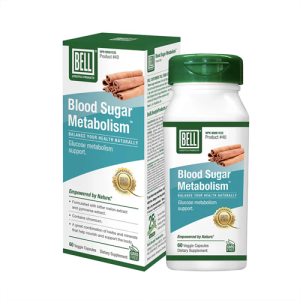
Blood Sugar Metabolism
This formula brings together chromium and gymnema — two of the key ingredients we are examining in this article — in a single daily supplement. It is designed to complement a balanced diet and may help support the glucose metabolism processes we discussed above.
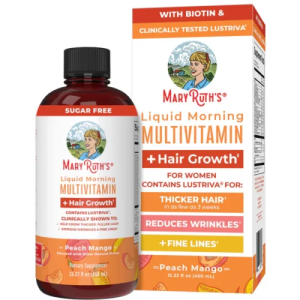
Liquid Morning Multi Vitamin
Since trace minerals like chromium work best alongside a solid nutritional foundation, this liquid multivitamin may help ensure your baseline nutrient needs are covered. An easily absorbed morning formula that complements targeted blood sugar support.
Cinnamon: More Than a Kitchen Spice
Cinnamon is probably the most recognizable ingredient on this list, and it is also the one that generates the most debate. Not because the research is bad, but because the details matter more than most articles let on.
First, there are two main types of cinnamon: Cassia cinnamon (the kind you probably have in your spice rack) and Ceylon cinnamon (sometimes called « true cinnamon »). Most of the blood sugar research has been conducted using Cassia cinnamon, though Ceylon is often considered the safer option for long-term use because it contains significantly less coumarin — a compound that may affect the liver in high doses.
The proposed mechanism is interesting. Cinnamon contains polyphenolic polymers called type-A procyanidins that appear to activate insulin receptors on cells. In laboratory studies, these compounds have been shown to mimic insulin’s ability to stimulate glucose uptake — essentially helping cells pull glucose out of the blood even when insulin signaling is not working at full efficiency.
A well-known study published in Diabetes Care (2003) found that consuming 1, 3, or 6 grams of cinnamon per day for 40 days led to reductions in fasting blood glucose, total cholesterol, and triglycerides in people with type 2 diabetes. However, subsequent studies have produced mixed results, and a Cochrane review noted that while some improvements were observed, the overall quality of evidence was moderate and the effects were not consistent across all trials.
| Factor | Cassia Cinnamon | Ceylon Cinnamon |
|---|---|---|
| Coumarin Content | High (~1% by weight) | Very low (~0.004%) |
| Blood Sugar Research | Most studies used this type | Fewer studies, but growing |
| Flavor Profile | Strong, spicy | Mild, slightly sweet |
| Cost | Lower | Higher |
| Long-term Safety | Coumarin concerns at high doses | Generally considered safer |
| Availability | Very common worldwide | Less common, specialty stores |
The practical takeaway: cinnamon has some genuinely interesting properties, but the evidence does not support treating it as a standalone blood sugar solution. It may offer modest supportive benefits as part of a broader approach. And if you are using cinnamon in supplement doses (not just a sprinkle on your oatmeal), the type of cinnamon matters quite a bit.
Gymnema Sylvestre: The Sugar Destroyer from Ayurvedic Medicine
Of the three ingredients, gymnema sylvestre might be the least familiar to most Western consumers — and it might also be the most fascinating. This woody climbing plant has been used in Indian traditional medicine for more than 2,000 years, and its Hindi name, « gurmar, » literally translates to « sugar destroyer. »
That name is not just poetic. If you chew a gymnema leaf and then try to eat something sweet, you will find that you cannot taste the sweetness at all. The gymnemic acids in the plant temporarily block the sugar receptors on your tongue. This effect wears off after about 30 to 60 minutes, but it is a vivid demonstration of how the compound interacts with sugar-sensing mechanisms in the body.
The mechanisms that researchers find more clinically relevant go deeper than taste. Some evidence suggests that gymnema may:
Proposed Mechanisms of Gymnema Sylvestre
- Stimulate insulin secretion from pancreatic beta cells, potentially supporting the body’s natural insulin production
- Reduce glucose absorption in the intestines by blocking sugar receptors in the gut lining
- Support the regeneration of insulin-producing beta cells in the pancreas (shown in animal studies, not yet confirmed in humans)
- Help reduce sugar cravings through its effects on taste perception
A study published in the Journal of Ethnopharmacology (1990) found that gymnema extract administered alongside conventional diabetes medication led to greater improvements in blood sugar control compared to medication alone. More recent studies have continued to support these findings, though most have been relatively small in scale.
The honest assessment: gymnema has a long traditional history and a growing body of modern research that is largely positive but still developing. It is one of the more promising natural ingredients in this space, but — like chromium and cinnamon — it should be viewed as a potential complement to lifestyle measures, not a replacement for them.

Why Supplement Makers Combine All Three Instead of Using One
This is the question that ties everything together. If each ingredient works through a different mechanism, does combining them provide a compounding benefit?
The theory behind multi-ingredient blood sugar formulas follows a principle called « complementary action. » The idea is straightforward: if chromium helps insulin work more effectively at the receptor level, cinnamon helps glucose enter cells through an insulin-mimicking pathway, and gymnema supports both insulin secretion and reduces sugar absorption in the gut — then a formula containing all three could theoretically address blood sugar management from multiple angles at once.
It is a reasonable hypothesis, and it is how most combination supplements in any health category are designed. Multivitamins work on the same principle — multiple nutrients addressing different needs simultaneously rather than relying on a single compound to do everything.
That said, there is an important caveat. Most of the published research on these ingredients has studied them individually, not in combination. There are fewer clinical trials that specifically test the three together in a single formulation. This does not mean the combination is ineffective — it just means the evidence base for the combination is largely built on extrapolation from individual ingredient studies rather than direct combination trials.
Single Ingredient Approach
- Clearer evidence for each compound individually
- Easier to identify what is working
- May be sufficient for mild concerns
- Lower cost per ingredient
Multi-Ingredient Combination
- Addresses multiple pathways simultaneously
- May provide broader support
- Convenience of a single product
- Harder to isolate which ingredient is contributing
Communities like r/Nutrition on Reddit regularly discuss this exact trade-off, with many users sharing their personal experiences trying both approaches. The general consensus seems to be that combination formulas are more practical for most people, while single-ingredient supplementation may be preferred by those who want to systematically test each compound on its own.
You can find more in-depth ingredient guides on our blog if you want to go deeper on any of these compounds.
See Our Full Range of Natural Supplements
How to Read Blood Sugar Supplement Labels Without Getting Fooled
Understanding the ingredients is only half the equation. You also need to know how to evaluate whether a specific product actually delivers those ingredients in meaningful amounts. Here are the things to look for on any blood sugar supplement label.
Transparent dosing. Every ingredient should have its dosage listed individually in the Supplement Facts panel. If you see a « proprietary blend » that lists several ingredients under a single combined weight, you have no way of knowing how much of each ingredient you are actually getting. This is one of the most common ways that supplement companies cut corners — they include expensive ingredients in tiny amounts and hide behind the blend.
The form of chromium matters. Look for chromium picolinate or chromium polynicotinate, which are the forms most commonly used in clinical research. Generic « chromium » on a label without specifying the form is a minor red flag.
Cinnamon type and extract ratio. Is it Ceylon or Cassia? Is it a raw powder or a standardized extract? Extract ratios (like 10:1 or 20:1) indicate concentration. A 500 mg dose of a 10:1 cinnamon extract is not the same as 500 mg of raw cinnamon powder.
Blood Sugar Supplement Label Checklist
- Individual ingredient dosages clearly listed (no proprietary blends)
- Chromium form specified (picolinate, polynicotinate, etc.)
- Cinnamon type specified (Ceylon vs Cassia) and extract ratio noted
- Gymnema standardized to gymnemic acids content (typically 25-75%)
- Third-party testing certification visible (USP, NSF, or GMP)
- No disease treatment claims on the label
- Dosages align with research ranges (not just pixie-dusted trace amounts)
Gymnema standardization. Gymnema supplements should indicate the percentage of gymnemic acids — the active compounds. Look for standardization to at least 25% gymnemic acids. If the label just says « gymnema leaf » with no standardization information, you may be getting a lot of plant material with very little of the active compound.
Mistakes People Make When Choosing Blood Sugar Support Ingredients
After years of watching how people approach supplement decisions, certain patterns stand out. Here are the most common missteps when it comes to blood sugar support specifically.
Treating supplements as a first-line solution. If your diet consists mainly of refined carbohydrates and sugary drinks, adding chromium to the mix is like putting a band-aid on a fire hose. The foundational strategies — balanced meals, regular physical activity, adequate sleep — should always come first. Supplements work best when they are supplementing an already reasonable lifestyle.
Expecting overnight results. Blood sugar regulation is a physiological system, not a light switch. Even pharmaceutical medications for blood sugar take weeks to show their full effects. Natural compounds typically require consistent use over several weeks to months before any changes might be noticed. If a product promises results in 48 hours, that is a red flag.
Caution: Never start a blood sugar supplement without informing your healthcare provider, especially if you take diabetes medication, blood thinners, or blood pressure medication. Chromium, gymnema, and even cinnamon extract may interact with these drugs, potentially causing blood sugar to drop too low when combined with prescription medications.
Confusing « natural » with « risk-free. » Natural ingredients can still have side effects and interactions. Gymnema may cause hypoglycemia in combination with insulin. High-dose Cassia cinnamon over long periods may affect liver function due to coumarin content. Chromium at very high doses has raised safety questions in some research. Natural is not a synonym for harmless, and every ingredient deserves the same scrutiny you would give a pharmaceutical.
Ignoring the quality spectrum. Not all supplement manufacturers follow the same standards. Third-party tested products (look for USP, NSF, or GMP certifications) have been independently verified for potency and purity. Products without these certifications may still be fine, but you are essentially taking the manufacturer’s word for it. If you are unsure about which products meet quality standards, our team is always available to help.
What These Ingredients Can and Cannot Do — An Honest Assessment
Let us be direct about what the evidence supports and where the limits are. This is the section most supplement-focused articles skip, and we think that is a disservice to readers.
What the Research Supports
- Chromium may modestly improve insulin sensitivity in people with existing insulin resistance
- Cinnamon compounds have demonstrated insulin-mimicking activity in laboratory and some human studies
- Gymnema has a strong traditional history and growing modern evidence for supporting healthy blood sugar levels
- The combination approach of addressing multiple pathways is mechanistically sound
- These ingredients are generally well-tolerated at recommended doses in healthy adults
What the Research Does Not Support
- None of these ingredients should be used as a replacement for diabetes medication
- Effects in healthy people with normal blood sugar are less clear than in at-risk populations
- Large-scale, long-term human trials are still limited for all three
- Combining the three in a single formula has not been extensively tested as a specific combination in clinical trials
- No supplement can compensate for a diet built primarily on refined carbohydrates and sugar
The middle ground — and the honest position — is that these ingredients represent a reasonable option for people who are already practicing good dietary and lifestyle habits and want additional support. They are not magic. They are not cures. But they are among the better-studied natural compounds in the blood sugar support category, and there are legitimate reasons they keep showing up in formulations.

Other Natural Compounds Worth Knowing About
While chromium, cinnamon, and gymnema are the headliners, they are not the only natural compounds that have attracted research attention in the blood sugar space. Here are a few others you might encounter.
Berberine is a compound found in goldenseal, Oregon grape, and barberry. It has generated significant research interest, with some studies suggesting effects on blood sugar that are comparable to certain pharmaceutical agents. However, berberine also has a higher potential for drug interactions, and it should absolutely not be combined with metformin or other blood sugar medications without medical supervision.
Alpha-lipoic acid (ALA) is an antioxidant that has been studied for its potential to improve insulin sensitivity. Some European countries use it as a complementary treatment for diabetic neuropathy, and it has shown some promising results in blood sugar-related research.
Bitter melon (Momordica charantia) is widely used in Asian and African traditional medicine. It contains compounds that may mimic insulin, though the taste is exactly what the name suggests — genuinely bitter — which limits its appeal in food form.
Fenugreek seeds contain soluble fiber that may slow carbohydrate digestion and glucose absorption. Some studies have shown modest blood sugar-lowering effects, particularly when taken before or with meals.
Important: If you are currently pregnant, nursing, or taking any prescription medications, consult your healthcare provider before using any of the supplements discussed in this article. Many natural blood sugar-active compounds can interact with medications and may not be appropriate during pregnancy or breastfeeding.
Explore Wellness Products at Dulson Sante
Frequently Asked Questions
Can I just use kitchen cinnamon instead of a cinnamon supplement?
The cinnamon in most kitchens is Cassia cinnamon. While it does contain the bioactive compounds studied in research, the amounts used in studies (typically 1-6 grams per day) are much higher than what most people sprinkle on their food. Standardized cinnamon extracts provide concentrated active compounds in measured doses. If you prefer the food-first approach, adding cinnamon to meals is unlikely to hurt — but it may not deliver the same concentration as a standardized extract.
How long does it take for chromium supplementation to show effects?
Most studies that observed positive effects used supplementation periods of 8 to 16 weeks. Chromium is not a fast-acting compound — it appears to work by gradually supporting insulin receptor function over time. If you are expecting changes within a few days, you will likely be disappointed. Consistent daily use over at least two to three months is generally what the research suggests is needed to evaluate whether chromium supplementation is making a difference for you personally.
Is gymnema safe to take every day?
In the doses typically found in supplements (400-800 mg of standardized extract per day), gymnema is generally considered well-tolerated in healthy adults. However, because it may lower blood sugar, people taking diabetes medication should use it only under medical supervision. Potential side effects may include mild digestive discomfort in some people. As with any supplement, it is wise to discuss daily use with your healthcare provider, especially if you have any underlying health conditions. You can review detailed supplement facts panels for any product before purchasing.
Do these ingredients work for people who are already healthy?
This is where the evidence gets thinner. Most positive studies have been conducted in populations with existing blood sugar concerns — people with type 2 diabetes, prediabetes, or documented insulin resistance. Whether these ingredients provide meaningful benefits for people with already normal blood sugar regulation is less clear. Some people report subjective improvements in energy stability and reduced cravings, but controlled data in healthy populations is limited.
« Dietary supplements containing chromium, cinnamon, and other bioactive compounds have been investigated for their potential to support glycemic control; however, they should be considered complementary to, not replacements for, established dietary and medical interventions. »
— American Diabetes Association, Standards of Medical Care in Diabetes (2024 update)
Discover Our Natural Health Collection
Disclaimer: The information in this article is provided for educational purposes only and does not constitute medical advice. Always consult a qualified healthcare professional before starting any supplement or making changes to your health routine. Individual results may vary. These statements have not been evaluated by the Food and Drug Administration. This product is not intended to diagnose, treat, cure, or prevent any disease.