
Daily Habits That May Help Support Urinary Comfort Naturally
You have probably heard « drink more water » and « do Kegels » a hundred times. This article goes deeper — with specific timing, evidence-backed strategies, and a cohesive daily routine that actually fits into real life.
In This Article
- Why Generic Advice Falls Short for Urinary Comfort
- The Science Behind Daily Habits and Bladder Health
- Morning Routine: Setting the Foundation
- Midday: Movement, Meals, and Mindful Hydration
- Afternoon: The Fluid Timing Shift
- Evening: Winding Down for Better Nights
- Foods That May Support Urinary Health
- Habits That Quietly Make Things Worse
- Benefits and Honest Realities of Lifestyle Changes
- Putting It All Together: Your Weekly Template
- Frequently Asked Questions
The gap between generic listicles and genuinely actionable guidance is where most men get stuck. They know they should « do something, » but the advice is so nonspecific that it never translates into a real daily routine. At Dulson Sante, we wanted to build something different — a cohesive, time-of-day framework that connects the dots between what you do in the morning, how you feel in the afternoon, and how many times you get up at night.
This article is structured around your actual day. We cover specific habits tied to specific times, backed by the research that supports them, with enough detail that you can start making changes tonight. Not next month. Not after your next doctor’s visit. Tonight. Because urinary comfort is a quality-of-life issue, and quality of life should not wait.

Why Generic Advice Falls Short for Urinary Comfort
The internet is full of urinary health articles that could have been written by a first-year nursing student copying a textbook. « Stay hydrated. » « Exercise regularly. » « Eat a balanced diet. » These are all technically correct, the same way saying « be a good person » is technically correct — true, but not particularly useful when you need to make specific decisions.
ℹ️ Did You Know: A study in the British Journal of Urology International (2018) found that men who received structured, time-specific behavioral guidance for lower urinary tract symptoms improved their symptom scores by 30-50% more than those given general lifestyle advice alone. The difference was not what they were told — it was how specifically they were told it.
The reason specificity matters is that urinary comfort is deeply tied to timing. When you drink matters as much as what you drink. When you exercise affects pelvic blood flow differently than simply « exercising. » Even your evening meal timing can influence nighttime frequency. Communities like r/Supplements on Reddit frequently discuss this frustration — men try the generic advice, see minimal results, and assume nothing works. But often, the issue is not what they tried — it is the lack of structure around it.
What we are building in this article is a connected routine — where each habit reinforces the next, and the day flows naturally from morning patterns to evening wind-down. Let us start from the beginning.
The Science Behind Daily Habits and Bladder Health
Before we get into the practical schedule, it helps to understand why daily habits matter for urinary health in the first place. Your bladder and prostate do not exist in isolation — they respond to signals from your diet, hydration patterns, nervous system, hormones, and physical activity throughout the day.
1.5-2L
Recommended daily fluid intake for bladder health
30min
Daily moderate exercise linked to lower BPH symptom severity
2-3hrs
Pre-bedtime fluid cutoff window for nocturia reduction
The Pelvic Blood Flow Connection
Regular physical activity — even moderate walking — improves blood flow to the pelvic region. This matters because your prostate, bladder, and pelvic floor muscles all depend on adequate circulation for nutrient delivery, waste removal, and muscle tone maintenance. Sedentary behavior, by contrast, allows blood to pool in the lower extremities, which later redistributes when you lie down — contributing to nighttime urine production.
The Inflammation-Diet Link
Chronic low-grade inflammation — the kind driven by processed foods, excess sugar, and oxidative stress — has been associated with bladder irritability and accelerated prostate enlargement. A 2017 review in the Journal of Urology noted that dietary patterns high in fruits, vegetables, and anti-inflammatory fats were associated with lower risk of moderate to severe lower urinary tract symptoms (LUTS).
The Nervous System Factor
Your bladder is controlled by the autonomic nervous system. Chronic stress keeps your sympathetic nervous system (« fight or flight ») dominant, which can increase bladder sensitivity and urgency. Parasympathetic activation — through relaxation, deep breathing, and quality sleep — promotes normal bladder function and reduced overactivity.
Morning Routine: Setting the Foundation
Your morning sets the tone for your entire urinary day. What you do in the first two hours after waking has a disproportionate impact on how comfortable you feel for the remaining sixteen.
6:00-7:00 AM — Hydrate Immediately
Start your day with 400-500ml of room-temperature water within 30 minutes of waking. Your body is mildly dehydrated after 7-8 hours without fluid, and front-loading your hydration early allows you to taper later. Room temperature or lukewarm water is gentler on the bladder than ice-cold water, which can trigger urgency in some men.
7:00-7:30 AM — Movement Before Sitting
Even 10-15 minutes of light movement — stretching, a short walk, bodyweight exercises — activates your circulation and begins the pelvic blood flow benefits that accumulate throughout the day. This does not need to be a gym session. It just needs to happen before you sit down at a desk for four hours.
7:30-8:00 AM — Breakfast With Purpose
Include anti-inflammatory foods at breakfast: berries, nuts, seeds (pumpkin seeds are particularly zinc-rich), and healthy fats like avocado or olive oil. Avoid excessive sugar and refined carbs, which spike insulin and promote systemic inflammation. If you take supplements, morning with food typically offers the best absorption for zinc and most botanical extracts.
💡 Good to Know: Pumpkin seeds are one of the few foods with direct relevance to prostate research. They contain zinc, phytosterols, and unique compounds called delta-7-sterines that some studies suggest may support normal prostate function. A small handful at breakfast is an easy addition to your routine.
Support Your Daily Routine Naturally
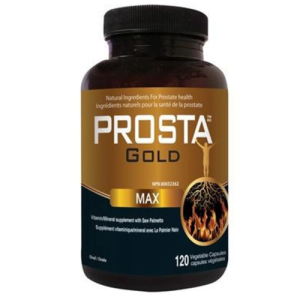
Prosta Gold
A morning routine built for urinary comfort pairs well with targeted prostate support. Prosta Gold combines saw palmetto, pygeum, and zinc — ingredients we have discussed throughout this article — into a daily formula designed to complement the healthy habits you are building. Take it with breakfast for optimal absorption alongside food.
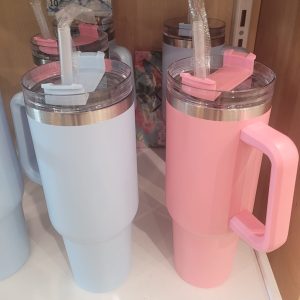
Insulated Bottle
Fluid timing is one of the most impactful strategies we cover in this article, and having a dedicated bottle makes it easier to track your intake throughout the day. This insulated tumbler keeps water at your preferred temperature for hours and holds enough volume to structure your morning-to-afternoon hydration window effectively.
Midday: Movement, Meals, and Mindful Hydration
The middle of your day is when your hydration should be at its peak and your body should be most active. This is also when dietary choices have the strongest influence on your evening and nighttime comfort.
10:00 AM-12:00 PM — Peak Hydration Window
This is your primary drinking window. Aim to consume another 500-700ml of water during this period. If you drink coffee, have your last cup before noon — caffeine’s diuretic effect lasts 4-6 hours, and its bladder-irritating properties can persist even longer. By front-loading caffeine to the morning, you give your body time to process it well before bedtime.
12:00-1:00 PM — Lunch as Medicine
Your midday meal is an opportunity to load up on prostate-friendly and anti-inflammatory foods. Tomatoes (cooked, ideally — heat increases lycopene bioavailability), cruciferous vegetables like broccoli or Brussels sprouts, salmon or sardines for omega-3s, and legumes for fiber and plant protein. Research published in the American Journal of Clinical Nutrition (2014) found that men with the highest lycopene intake had the lowest risk of developing symptomatic BPH.
| Food | Key Nutrient | Potential Relevance |
|---|---|---|
| Cooked tomatoes | Lycopene | Associated with lower BPH risk in observational studies |
| Pumpkin seeds | Zinc, phytosterols | May support normal prostate function |
| Salmon / sardines | Omega-3 fatty acids | Anti-inflammatory effects on prostate and bladder tissue |
| Broccoli / kale | Sulforaphane, vitamin C | Antioxidant protection, may slow cellular proliferation |
| Green tea | EGCG (catechins) | Some research links green tea polyphenols to prostate cell health |
| Berries | Anthocyanins | Potent antioxidants that may reduce oxidative stress in urinary tissues |
1:00-3:00 PM — Active Break
If you work a desk job, this is a critical window for movement. A 15-20 minute walk after lunch improves digestion, reduces post-meal blood sugar spikes (which affect systemic inflammation), and maintains pelvic circulation. According to research from clinical reviews of BPH management, regular moderate physical activity is one of the most consistently supported lifestyle factors for lower urinary tract symptom reduction.

Afternoon: The Fluid Timing Shift
This is where the strategy gets specific — and where most generic advice fails. The afternoon is your transition point from active hydration to intentional tapering.
⚠️ Important: Tapering does not mean stopping. The goal is to shift from large volume intake to small, consistent sips. Complete fluid restriction in the afternoon can lead to concentrated urine by evening, which actually irritates the bladder and increases urgency. Think gradual reduction, not a hard cutoff.
3:00-5:00 PM — Begin Tapering Fluids
Reduce your fluid intake to sips rather than full glasses. You should have consumed roughly 70-80% of your daily fluid target by 3 PM. The remaining 20-30% comes in small amounts between now and bedtime. This timing ensures you stay hydrated while giving your kidneys time to process the bulk of your daily intake before you lie down.
4:00-5:00 PM — Pelvic Floor Check-In
This is a good time for pelvic floor exercises if they are part of your routine. Male pelvic floor exercises — sometimes called Kegels, though the technique differs from the female version — involve contracting the muscles you would use to stop mid-stream. Hold for 5 seconds, release for 5 seconds, repeat 10 times. Three sets daily can help with urgency and post-void dribble over 6-12 weeks of consistent practice.
Here is the detail most articles miss: these exercises work your external urethral sphincter and the pubococcygeus muscle. They do not directly shrink your prostate or increase bladder capacity. Their benefit is improved control — the ability to delay voiding when urgency strikes, giving you more time to reach a bathroom comfortably.
Evening: Winding Down for Better Nights
Your evening routine directly determines the quality of your night. Every decision you make between 6 PM and bedtime either helps or hinders your sleep continuity — and by extension, your next day’s energy and mood.
6:00-7:00 PM — Dinner With Awareness
Keep dinner moderate in size and low in sodium. High-sodium meals cause fluid retention that later redistributes when you lie down, increasing nighttime urine production. Avoid spicy foods if you notice they increase urgency — capsaicin can irritate the bladder in some individuals. Finish eating at least 2-3 hours before bed.
7:00-8:00 PM — Leg Elevation
If you sit or stand most of the day, spend 30-60 minutes with your legs elevated above heart level. Use a recliner, couch pillows, or an ottoman. This redistributes pooled fluid from your lower extremities while you are still awake and near a bathroom — rather than having it happen at 2 AM while you are trying to sleep.
8:00-9:00 PM — Last Fluid and Double Void
Take your last sips of fluid (small amounts only). Avoid alcohol entirely within 3 hours of bedtime — even one glass of wine acts as both a diuretic and a bladder irritant. About 30 minutes before bed, use the bathroom. Then, 10-15 minutes later, try again (double voiding). This technique helps empty residual urine that often remains with BPH.
9:00 PM-Bedtime — Relaxation Protocol
Engage your parasympathetic nervous system: dim lights, avoid screens for 30 minutes (blue light suppresses melatonin and increases sympathetic tone), try 5-10 minutes of slow breathing or light stretching. A calm nervous system means a calmer bladder — reducing those false urgency signals that wake you up unnecessarily.
If you find it challenging to build these habits alone, our wellness support team can help you create a personalized routine that fits your schedule and goals.
Complement Your Evening Routine

Liquid Morning Multi Vitamin
The dietary strategies we covered — anti-inflammatory foods, zinc-rich meals, adequate nutrient intake — are easier to sustain when your baseline nutrition is solid. This liquid multivitamin delivers essential vitamins and minerals in an easily absorbed morning format, helping fill any gaps in your diet that may affect overall urinary and prostate wellness.
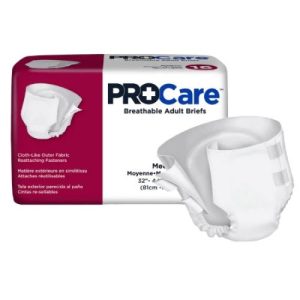
Breathable Adult Briefs
While your new evening habits take effect — and they will take a few weeks of consistency — practical comfort products can reduce nighttime anxiety. These breathable briefs offer discreet protection that may help you sleep more confidently as you work toward fewer nighttime interruptions through the lifestyle strategies in this article.
Foods That May Support Urinary Health
Diet is not a miracle cure for urinary symptoms. But consistently choosing anti-inflammatory, nutrient-dense foods creates an internal environment that supports bladder and prostate function over time. Here is what the research points to.
Foods to Emphasize
Prostate and Bladder-Friendly Dietary Priorities
- Cooked tomatoes 3-4 times per week (lycopene is more bioavailable when cooked with a small amount of fat)
- Cruciferous vegetables daily — broccoli, cauliflower, Brussels sprouts, kale
- Fatty fish 2-3 times per week — salmon, mackerel, sardines for omega-3s
- Pumpkin seeds as a daily snack — rich in zinc and prostate-specific phytosterols
- Berries daily — blueberries, strawberries, and cranberries for antioxidant support
- Green tea 1-2 cups in the morning (not evening) — EGCG catechins have been studied for prostate cell health
- Legumes and whole grains for fiber — supports healthy elimination and reduces pelvic pressure
Foods to Minimize or Time Carefully
Spicy foods can irritate the bladder lining in sensitive individuals. Acidic foods and drinks — citrus, tomato juice (different from cooked tomatoes in a meal), vinegar-based dressings — may increase urgency. Artificial sweeteners, particularly aspartame, have been reported to worsen bladder symptoms in some people. These are not universal triggers, but they are worth noting if you are trying to identify what worsens your symptoms.
Habits That Quietly Make Things Worse
Sometimes the biggest improvements come not from adding new habits but from stopping old ones that are working against you. Here are the silent saboteurs of urinary comfort.
🚨 Caution: « Just in case » voiding — going to the bathroom out of habit rather than genuine need — can actually train your bladder to hold less over time. This reduces your functional bladder capacity and increases urgency signals. Try to void only when you genuinely need to, and practice delaying the urge by 5-10 minutes when it is not urgent.
Sitting for Extended Periods
Prolonged sitting compresses pelvic blood vessels and allows fluid to pool in the legs. Both effects worsen urinary symptoms. If your job requires long hours at a desk, set a timer to stand and walk for 3-5 minutes every hour. This small interruption yields compounding benefits throughout the day.
Evening Alcohol as « Relaxation »
A glass of wine or beer in the evening may feel relaxing, but alcohol is simultaneously a diuretic, a bladder irritant, and a sleep disruptor. Even moderate evening alcohol intake can add 1-2 extra nighttime bathroom trips. If you enjoy alcohol, shifting it to earlier in the day (with lunch or early afternoon) and keeping it away from the evening window can make a measurable difference.
Ignoring Constipation
A full rectum presses directly against the prostate and bladder, increasing urgency and reducing bladder capacity. Chronic constipation is one of the most overlooked contributors to urinary symptoms. Adequate fiber (25-30g daily), hydration, and regular movement address this naturally. Do not underestimate the connection between regular bowel function and urinary comfort.
Over-Supplementing Without Strategy
Taking multiple supplements without understanding their combined effects can be counterproductive. High-dose vitamin C, for example, acidifies urine and may increase bladder irritation. Excessive magnesium can have a laxative effect that complicates fluid balance. More is not always better — targeted, well-dosed supplementation beats random stacking every time.

Benefits and Honest Realities of Lifestyle Changes
We believe in being straight with you. Lifestyle changes for urinary comfort can be genuinely effective — but they require consistency, patience, and realistic expectations.
What You Can Realistically Expect
- Reduced nighttime frequency within 2-4 weeks of consistent fluid timing changes
- Improved urgency control over 6-12 weeks with pelvic floor exercises
- Better overall energy and mood from improved sleep quality
- Reduced inflammation markers with consistent anti-inflammatory dietary patterns
- Greater sense of control and confidence in managing your symptoms
- These habits support overall health, not just urinary comfort
Honest Realities to Accept
- Behavioral changes alone may not eliminate symptoms if BPH is moderate or advanced
- Results are gradual — there is no overnight fix for urinary comfort
- Consistency is required — doing these habits sporadically yields minimal benefit
- Some men will still need medical intervention despite excellent lifestyle habits
- Individual responses vary — what works brilliantly for one man may have modest effects for another
Complete Your Wellness Approach

Rozino Turmeric
We have emphasized the role of inflammation in urinary discomfort throughout this article. Turmeric — and specifically its active compound curcumin — is one of the most researched natural anti-inflammatory agents available. Rozino Turmeric may complement the anti-inflammatory dietary habits we outlined, particularly for men looking to address inflammation from multiple angles.
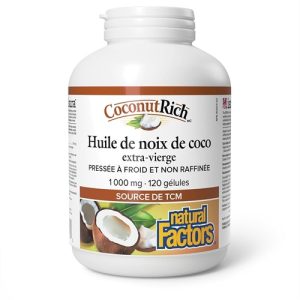
Huile de Noix de Coco
Healthy fats play a supporting role in the dietary strategies we covered — from improving fat-soluble nutrient absorption to providing a stable energy source that reduces blood sugar spikes. This pure coconut oil is a versatile kitchen staple that fits naturally into the anti-inflammatory cooking approach outlined in this article.
Putting It All Together: Your Weekly Template
Here is a condensed weekly framework you can print or save to your phone. It brings together everything we have discussed into a practical, repeatable schedule.
| Time of Day | Habit | Why It Matters |
|---|---|---|
| 6:00-7:00 AM | 400-500ml water + supplements with breakfast | Front-loads hydration; optimal absorption window |
| 7:00-7:30 AM | 10-15 min light movement | Activates pelvic circulation for the day |
| 10:00 AM-12:00 PM | Peak hydration (500-700ml) + last coffee | Primary drinking window; caffeine cutoff |
| 12:00-1:00 PM | Anti-inflammatory lunch (tomatoes, fish, vegetables) | Fuels prostate-supportive nutrition |
| 1:00-3:00 PM | 15-20 min post-lunch walk | Blood sugar control + continued circulation |
| 3:00-5:00 PM | Begin tapering fluids; pelvic floor exercises | Transition to evening mode; bladder training |
| 6:00-7:00 PM | Moderate dinner, low sodium | Reduces nighttime fluid redistribution |
| 7:00-8:00 PM | Leg elevation 30-60 min | Processes pooled fluid while still awake |
| 8:00-9:00 PM | Last sips; double void before bed | Minimizes bladder volume at sleep onset |
| 9:00 PM-Bedtime | Dim lights, no screens, slow breathing | Parasympathetic activation reduces bladder overactivity |
✅ Pro Tip: Do not try to implement everything at once. Start with fluid timing (weeks 1-2), add dietary changes (weeks 3-4), incorporate movement and pelvic floor work (weeks 5-6), and layer in evening habits (weeks 7-8). This phased approach prevents overwhelm and lets you identify which changes make the biggest difference for you personally.
For more guidance on building a personalized wellness routine, visit our health and wellness blog where we regularly publish practical guides for men’s health.
Get Personalized Routine Guidance →
Frequently Asked Questions
How quickly will I see results from changing my fluid timing?
Most men notice a reduction in nighttime trips within 1-2 weeks of consistently front-loading fluids to the morning and early afternoon. The key word is consistently — doing it for three days and then reverting to old habits will not produce lasting change. Give yourself a full two weeks of disciplined timing before evaluating results.
Do pelvic floor exercises really help men with urinary issues?
Yes, but with realistic expectations. Pelvic floor exercises primarily help with urgency control and post-void dribble by strengthening the muscles that control urine flow. They do not directly address prostate size or urine production volume. Research suggests 6-12 weeks of consistent daily practice before meaningful improvement. The exercises are low-risk and complement other strategies well. You can find supportive wellness products to pair with your routine in our shop.
Should I avoid all caffeine if I have urinary symptoms?
Not necessarily. Complete elimination is not required for most men. The strategy is timing — having your caffeine in the morning (before noon) and keeping it to moderate amounts (1-2 cups of coffee). Evening caffeine is the primary problem, as its diuretic and bladder-irritant effects overlap with your wind-down period. Some men find that switching from coffee to green tea provides enough caffeine with less bladder irritation.
Can stress really affect how often I need to urinate?
Absolutely. The bladder is innervated by the autonomic nervous system, and chronic stress keeps your sympathetic (« fight or flight ») branch dominant. This increases bladder sensitivity and urgency — essentially lowering the threshold at which your brain decides your bladder needs emptying. Stress management techniques like deep breathing, progressive muscle relaxation, and regular exercise can reduce these false urgency signals over time.
Is it safe to combine prostate supplements with these daily habits?
In most cases, yes — and it is actually the recommended approach. Lifestyle habits and targeted supplements address complementary pathways. The habits improve circulation, reduce inflammation, and optimize fluid balance, while supplements like saw palmetto and pygeum may address hormonal and tissue-level factors. Always check for drug interactions if you take prescription medications, and consult your healthcare provider with specific questions about your situation.
« Structured behavioral therapy including fluid management, bladder training, and pelvic floor exercises represents a first-line approach for men with lower urinary tract symptoms and should be offered before or alongside pharmacological treatment. »
— American Urological Association Guidelines on Management of BPH, 2021
🌿 Explore Our Natural Products →
⚠️ Disclaimer: The information in this article is provided for educational purposes only and does not constitute medical advice. Always consult a qualified healthcare professional before starting any supplement or making changes to your health routine. Individual results may vary. These statements have not been evaluated by the Food and Drug Administration. This product is not intended to diagnose, treat, cure, or prevent any disease.