
How to Shop for a Blood Sugar Support Supplement Responsibly
The supplement aisle is full of promises. Some are grounded in real science. Others are dressed-up marketing. Here is how to tell the difference before you spend your money.
In This Article
- Why the Blood Sugar Supplement Market Requires Extra Caution
- What the FDA Actually Does and Does Not Regulate
- Reading Supplement Facts Labels: What to Look For
- Red Flags That Should Make You Walk Away
- Proprietary Blends: The Label Trick That Hides Dosages
- Third-Party Testing: What It Means and Why It Matters
- Realistic Expectations: What Blood Sugar Supplements Can and Cannot Do
- Hidden Dangers: When Supplements Contain What They Should Not
- A Responsible Buyer’s Checklist
- When Supplements Make Sense — and When They Do Not
- Frequently Asked Questions
Blood sugar support supplements represent one of the fastest-growing segments of the supplement industry. And with that growth has come a flood of products making increasingly bold claims about glucose management, insulin support, and metabolic health. Some of these products are well-formulated, transparently labeled, and backed by genuine ingredient research. Others are not.
The challenge for consumers is that telling the difference requires knowledge that most people do not have — knowledge about how to read supplement labels, what the FDA actually regulates (and what it does not), what third-party testing certifications mean, and how to spot the marketing tricks that make mediocre products look impressive.
At Dulson Sante, we believe that an informed customer is a better customer. Even if you never buy anything from us, this article will give you the tools to make smarter decisions in the blood sugar supplement space — or any supplement category, for that matter. The principles are universal.

Why the Blood Sugar Supplement Market Requires Extra Caution
Not all supplement categories carry the same level of risk. A poorly formulated multivitamin might mean you are wasting money on underdosed vitamins. But a poorly formulated blood sugar supplement carries additional concerns because the people using it are often managing a metabolically sensitive condition — or at least a metabolic concern — where the wrong product could interact with medications or create a false sense of security.
There are three specific reasons this category demands more careful shopping:
Medication interactions are real. Many of the ingredients found in blood sugar supplements — chromium, berberine, gymnema sylvestre, alpha-lipoic acid — may affect blood sugar levels. For someone on metformin, insulin, or sulfonylureas, adding a supplement that also lowers blood sugar could potentially create dangerously low blood sugar events. This is not theoretical — it happens.
The FDA has found hidden drugs in blood sugar supplements. This is not a scare tactic — it is documented fact. The FDA has issued multiple warnings about blood sugar supplements that were found to contain undeclared pharmaceutical ingredients, including glyburide (a prescription diabetes drug). These contaminated products were not labeled as containing drugs; they were marketed as natural supplements.
False confidence can delay necessary medical care. If someone with developing insulin resistance takes a supplement and feels like they are « doing something » about it, they may be less likely to seek proper medical evaluation. A supplement that provides a psychological sense of security without meaningful physiological benefit is not just useless — it is potentially harmful because of what it prevents the person from doing.
Important: None of this means you should not consider blood sugar supplements. It means you should approach the category with more scrutiny than you might apply to, say, a vitamin C supplement. The stakes are somewhat higher, which makes the information in this article more important, not less.
Browse Quality-Tested Products at Dulson Sante
What the FDA Actually Does and Does Not Regulate
This is one of the most misunderstood areas in the entire supplement industry. Let us be clear about what the FDA’s role actually is — because knowing this will immediately make you a smarter shopper.
Under the Dietary Supplement Health and Education Act (DSHEA) of 1994, dietary supplements are regulated differently than pharmaceutical drugs. Here is the critical distinction: drugs must be proven safe and effective before they can be sold. Supplements do not.
Supplement manufacturers are responsible for ensuring their products are safe before marketing them. The FDA does not review or approve supplements before they hit store shelves. The FDA’s role is primarily reactive — they step in after a product is already on the market if safety concerns arise, if a product makes illegal disease claims, or if contamination is discovered.
| What the FDA DOES Do | What the FDA Does NOT Do |
|---|---|
| Sets Good Manufacturing Practices (GMP) standards | Pre-approve supplements before sale |
| Monitors adverse event reports | Verify label accuracy before products are sold |
| Takes enforcement action against contaminated products | Test every supplement batch for potency and purity |
| Issues warning letters for illegal disease claims | Guarantee that supplements are effective |
| Conducts facility inspections (when resources allow) | Review or approve marketing materials |
| Can remove dangerous products from the market | Require pre-market safety or efficacy testing |
This regulatory structure means that the burden of verifying quality falls more on the consumer than it does with prescription drugs. The phrase « FDA-approved » should never appear on a supplement label — supplements are not FDA-approved by definition. If you see that phrase on a product, it is either a misstatement or deliberate deception, and either way, it is a reason to move on.
According to Wikipedia’s article on blood sugar regulation, the physiological processes involved in glucose homeostasis are well-understood by medical science. The gap lies in translating that understanding into properly regulated consumer products — which is exactly why informed shopping matters so much.
Reading Supplement Facts Labels: What to Look For
The Supplement Facts panel on the back of any supplement is your single most important source of information. Learning to read it properly takes about five minutes and will serve you for life. Here is what to look for.
Serving size and servings per container. This sounds obvious, but many people miss it. If the label says « 2 capsules » per serving and you assumed it was 1, you are getting half the stated doses. Always check this first.
Individual ingredient dosages. Every ingredient should have its own dosage listed in milligrams (mg) or micrograms (mcg). For blood sugar supplements, compare these dosages against what has been used in published research. For example, chromium picolinate is typically studied at 200-1,000 mcg per day. Gymnema sylvestre extract is commonly studied at 400-800 mg per day. If a product provides 50 mcg of chromium, that is well below the range studied in most clinical research.
The form of each ingredient. « Chromium » on a label does not tell you enough. Is it chromium picolinate? Chromium polynicotinate? Chromium chloride? The form matters because different forms have different levels of research support and different bioavailability. The same applies to cinnamon (extract vs. powder, Ceylon vs. Cassia) and gymnema (standardization percentage for gymnemic acids).
Label Reading Quick Reference
- Chromium: Look for picolinate or polynicotinate forms, 200-1000 mcg range
- Gymnema: Should specify standardization to gymnemic acids (25-75% typical), 400-800 mg range
- Cinnamon: Ceylon preferred for long-term use; extract ratio should be specified (e.g., 10:1)
- Berberine: 500-1500 mg typical research range; high interaction potential with medications
- Alpha-Lipoic Acid: 300-600 mg typical research range; R-ALA form may be more bioavailable
- All ingredients should have individual dosages — not combined into a proprietary blend
Other ingredients. Below the Supplement Facts panel, you will find a list of « Other Ingredients » — the fillers, binders, coatings, and additives used in the product. Look for products with short, recognizable « Other Ingredients » lists. Excessive additives are not necessarily dangerous, but they can indicate a lower-quality manufacturing approach.
Transparently Labeled Products from Dulson Sante
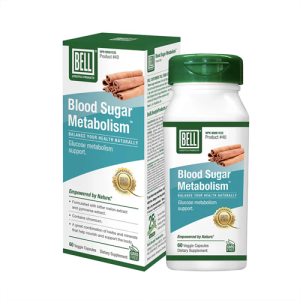
Blood Sugar Metabolism
Applying the label-reading principles we just covered, this formula lists its chromium and gymnema dosages individually with transparent labeling. It is formulated to support healthy glucose metabolism as part of the kind of balanced approach we have been discussing throughout this article.
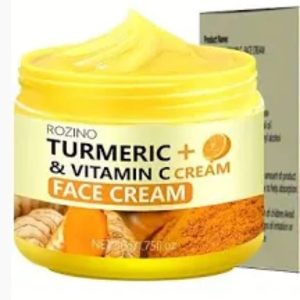
Rozino Turmeric
Some research has associated chronic inflammation with impaired insulin sensitivity. Rozino Turmeric provides curcumin — a well-studied antioxidant compound — with clear ingredient labeling so you know exactly what you are getting. A natural option for those seeking anti-inflammatory support alongside metabolic wellness.
Red Flags That Should Make You Walk Away
After years of evaluating supplement labels and marketing, certain patterns emerge as reliable indicators of low-quality or deceptive products. Here are the red flags that should make you put the product back on the shelf — or close the browser tab.
« Clinically proven » without a citation. If a product claims to be clinically proven, it should point you to the actual clinical study. « Clinically proven » written on a label without any reference to a specific study is a marketing claim, not a scientific one. Legitimate products that reference clinical research will typically name the study, the journal, or provide a link.
Disease treatment claims. A supplement that claims to « treat diabetes, » « cure insulin resistance, » or « normalize blood sugar » is making illegal claims under U.S. law. Structure/function claims (« may support healthy blood sugar levels ») are allowed. Disease claims are not. A product that makes disease claims is either violating FDA regulations or operating in a jurisdiction that does not enforce them — neither of which inspires confidence.
Dramatic before-and-after testimonials. Stories about people who « reversed their diabetes » or « lowered their A1c by 3 points » using a supplement are either fabricated, cherry-picked extreme outliers, or describing effects that were more likely due to concurrent lifestyle changes. Either way, they are designed to manipulate, not inform.
Caution — Walk Away If You See: Claims that the product can replace diabetes medication. Language like « miracle, » « breakthrough, » « revolutionary, » or « the secret doctors do not want you to know. » Products priced dramatically below market average for the stated ingredients (likely underdosed or mislabeled). Websites that create artificial urgency with countdown timers and « only 3 left in stock » claims. Products that require you to stop taking prescribed medication to use them.
Subscription traps disguised as « free trials. » Some companies offer a « free trial » that actually enrolls you in a recurring monthly charge. The terms are buried in fine print. This business model relies on people not noticing the charge for months. Legitimate supplement companies do not need to trick you into recurring purchases.
« Doctor recommended » without specifying which doctor. Unless the product names a specific, identifiable healthcare professional who has endorsed it (and who does not have a financial relationship with the company), « doctor recommended » is an empty phrase that any company can put on a label.

Proprietary Blends: The Label Trick That Hides Dosages
If there is one single label feature that should raise your antenna, it is the proprietary blend. Here is why.
A proprietary blend lists multiple ingredients under a single combined weight. For example, a label might say: « Metabolic Support Blend — 1,200 mg: Cinnamon Bark Extract, Gymnema Sylvestre, Chromium Picolinate, Bitter Melon, Fenugreek. » You know the total is 1,200 mg. But you have no idea how much of each ingredient is in there.
The problem is that ingredient order is supposed to reflect descending weight — the first ingredient listed should be present in the highest amount. But that does not tell you much. The blend could be 1,100 mg of cheap cinnamon powder and 25 mg each of everything else. Without individual dosages, there is no way to know if any ingredient is present at a clinically relevant level.
Supplement companies justify proprietary blends by claiming they protect their unique formula from competitors. But the reality is simpler: most blood sugar supplement formulas use the same widely-known ingredients. There is nothing proprietary about combining chromium, gymnema, and cinnamon — these are standard ingredients. What a proprietary blend often protects is not a unique formula but the embarrassing fact that key ingredients are present in token amounts.
Good to Know: Some well-formulated products do use proprietary blends and still contain clinically relevant dosages. But as a consumer, you have no way to verify this from the label alone. Transparent labeling with individual ingredient dosages is always the safer choice because it gives you the information needed to make a meaningful comparison.
The bottom line: if two products make similar claims but one lists individual dosages and the other uses a proprietary blend, choose the transparent one. You are paying for specific ingredients at specific doses, and you deserve to know what you are getting.
Third-Party Testing: What It Means and Why It Matters
Third-party testing is the closest thing the supplement industry has to an independent quality guarantee. When a product carries a third-party certification, it means an organization that has no financial stake in the product has independently verified certain quality standards.
The three certifications most worth looking for are:
USP (United States Pharmacopeia). This is widely considered the gold standard for supplement quality verification. USP tests for potency (does the product contain what the label says?), purity (is it free from harmful contaminants?), dissolution (will it break down properly in your body?), and manufacturing practices. A USP-verified mark means the product has been independently tested and meets strict quality criteria.
NSF International. NSF certification involves facility audits, product testing, and ongoing monitoring. Their « NSF Certified for Sport » program is particularly rigorous and is used by professional athletes who need assurance that products are free from banned substances.
GMP (Good Manufacturing Practices) certification. The FDA requires supplement manufacturers to follow GMP guidelines, but compliance varies and enforcement is limited. An independent GMP audit by a third party provides additional assurance that the facility is actually following these practices consistently.
A word about « lab tested » claims: almost any company can put « lab tested » on a label. Without specifying who did the testing, what they tested for, and whether the results are publicly available, « lab tested » is essentially meaningless. It is the supplement equivalent of saying « reviewed by someone. » Who? For what? Under what standards? If the company cannot answer those questions, the claim is not worth much.
Real-world supplement discussions on platforms like r/Nutrition on Reddit frequently emphasize the importance of third-party verification. It is one of the few objective quality markers that consumers can use to compare products across brands.
More from the Dulson Sante Wellness Collection

Megabann Male Enhancement
The quality evaluation principles we have covered in this article apply to every supplement category. Megabann Male Enhancement is formulated with natural ingredients and transparent labeling — the same standards we are encouraging you to look for in blood sugar products and across your entire wellness routine.
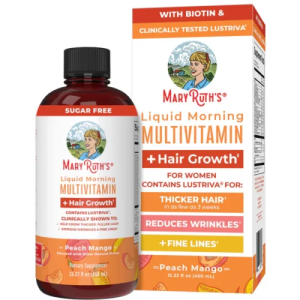
Liquid Morning Multi Vitamin
A solid nutritional foundation may support your body’s metabolic processes from the ground up. This liquid multivitamin provides essential vitamins and minerals in an easily absorbed format — particularly worth considering if your diet does not consistently cover all micronutrient needs.
Realistic Expectations: What Blood Sugar Supplements Can and Cannot Do
Setting realistic expectations before you buy anything might be the most valuable thing this article can do for you. Here is the honest picture.
What supplements may do: Provide nutritional support that complements a healthy diet and lifestyle. Certain ingredients — like chromium, gymnema, and cinnamon — have shown modest benefits in some research populations, particularly those with existing blood sugar concerns. They may help support the body’s natural glucose metabolism when used consistently alongside balanced nutrition, regular physical activity, and adequate sleep.
What supplements cannot do: Replace prescription diabetes medication. Cure, treat, or reverse diabetes. Compensate for a diet built primarily on refined carbohydrates and processed foods. Produce overnight results. Work in isolation without lifestyle support. Guarantee any specific blood sugar outcome.
Reasonable Expectations
- Modest support for healthy blood sugar metabolism when combined with a balanced lifestyle
- Potential reduction in sugar cravings (particularly with gymnema)
- Nutritional insurance for trace minerals like chromium that may be low in processed diets
- A complementary element within a broader metabolic wellness strategy
- Results that develop gradually over weeks to months of consistent use
Unreasonable Expectations
- Dramatic A1c reductions from supplements alone
- Replacing the need for prescribed blood sugar medication
- Eating whatever you want because a supplement « covers » the metabolic consequences
- Noticeable results within days
- Resolving diagnosed diabetes or prediabetes without medical supervision
If you approach supplements with the right expectations — as a complement to, not a substitute for, foundational health practices — you are much more likely to have a positive experience and to make rational decisions about whether a product is working for you.
Hidden Dangers: When Supplements Contain What They Should Not
This is the uncomfortable section, but it needs to be here. Because the supplement industry’s regulatory structure is largely self-policed, a small but real percentage of products on the market contain things that are not listed on the label.
The FDA maintains a Tainted Supplements Database that lists products found to contain hidden, undeclared pharmaceutical ingredients. In the blood sugar category specifically, the FDA has identified products containing undeclared glyburide — a prescription sulfonylurea drug that can cause dangerous hypoglycemia in unsuspecting users.
Other quality concerns that have been documented include:
Documented Supplement Quality Concerns
- Heavy metal contamination (lead, arsenic, mercury) in poorly sourced herbal ingredients
- Microbiological contamination from unsanitary manufacturing facilities
- Significant discrepancies between labeled dosages and actual content (both under- and over-dosing)
- Undeclared allergens that pose risks for people with sensitivities
- Substitution of cheap fillers for expensive active ingredients
- Hidden pharmaceutical drugs not listed on the label
These issues are not universal — the vast majority of supplements from reputable manufacturers are exactly what they claim to be. But they are common enough to justify taking quality verification seriously, especially in health-sensitive categories like blood sugar support.
How to protect yourself: buy from manufacturers who use third-party testing (USP, NSF, or equivalent). Purchase from retailers you trust. Be especially cautious about products sold exclusively through social media ads or unfamiliar websites. Check the FDA’s tainted supplements database before trying a new product. And if a product’s price seems too good to be true — say, a multi-ingredient formula for $9.99 — there is usually a reason for that.
Important: If you experience unexpected side effects from any supplement — particularly symptoms like rapid heartbeat, excessive sweating, confusion, or unusually low blood sugar — stop taking the product immediately and consult a healthcare provider. Report adverse events to the FDA’s MedWatch program. These reports are one of the primary tools the FDA uses to identify problematic products.
A Responsible Buyer’s Checklist
Let us put everything we have covered into a single, actionable checklist you can use before purchasing any blood sugar support supplement — from our store or anyone else’s.
Step 1: Check the Label for Transparent Dosing
Every ingredient should have its own dosage listed individually. No proprietary blends. Verify that the forms of key ingredients (chromium picolinate vs generic chromium, standardized gymnema vs raw powder) are specified.
Step 2: Compare Dosages to Research Ranges
Cross-reference the amounts on the label with dosages used in published studies. If a key ingredient is present at a fraction of the studied dose, the product may not deliver the benefits suggested by research on that ingredient.
Step 3: Look for Third-Party Certification
USP, NSF, or an independent GMP audit provide the most reliable quality assurance. Self-reported « lab tested » without specifying who tested it is not the same thing.
Step 4: Evaluate the Claims
Supplements that make disease claims (treat, cure, prevent diabetes) are violating FDA regulations. Products that use conditional language (may support, has been associated with) are operating within the law and are generally more trustworthy.
Step 5: Consult Your Healthcare Provider
Before adding any blood sugar supplement to your routine, discuss it with your doctor — especially if you take prescription medications for blood sugar, blood pressure, or blood thinning. Bring the label with you so they can review the ingredients and dosages.
If you have questions about any specific product in our catalog, our support team is available to discuss ingredients, dosages, and whether a particular product may be appropriate for your goals.

When Supplements Make Sense — and When They Do Not
To close the main content, let us be clear about the situations where a blood sugar supplement may be a reasonable choice — and when it is not the right move.
A supplement may make sense if: You are already eating a generally balanced diet, exercising regularly, sleeping adequately, and managing stress — and you want additional support for your metabolic wellness goals. You have discussed it with your healthcare provider and they see no contraindications. You have chosen a product with transparent labeling, clinically relevant dosages, and third-party quality verification. And you have realistic expectations about what supplements can contribute as part of a broader lifestyle approach.
A supplement is not the right choice if: You are using it as a substitute for medical care in a diagnosed condition. You have not discussed it with your doctor despite taking prescription medications. You are relying on it to compensate for dietary habits you know need improvement. Or you are expecting dramatic, medication-level results from a dietary supplement.
Did You Know: The most effective approach to metabolic health, according to nearly every major health organization, combines sensible nutrition, regular physical activity, adequate sleep, and stress management as foundational pillars. Supplements, when appropriate, sit on top of that foundation — they do not replace it. This is as true for blood sugar support as it is for any other health category.
If you take one thing away from this article, let it be this: the quality of your supplement matters just as much as the decision to take one. Do your homework. Read labels. Ask questions. And never let a supplement replace the fundamentals of a healthy lifestyle or the guidance of a qualified healthcare professional.
Frequently Asked Questions
Is « all natural » a guarantee of quality in blood sugar supplements?
No. The term « all natural » is not strictly defined or regulated by the FDA for supplements. Natural ingredients can still be contaminated, underdosed, or mislabeled. They can also interact with medications and cause side effects. « Natural » describes the source of the ingredients but says nothing about the quality of the manufacturing process, the accuracy of the label, or the purity of the final product. Always look for third-party testing regardless of whether a product is marketed as natural.
How do I know if a blood sugar supplement is actually working?
The most reliable way is to work with your healthcare provider and use objective markers — fasting glucose, HbA1c, and fasting insulin — measured before starting the supplement and again after 8-12 weeks of consistent use. Subjective measures like energy stability and craving reduction can also be tracked, but they are harder to attribute specifically to the supplement versus other lifestyle factors. If you see no measurable difference after 12 weeks of consistent use, the product may not be providing meaningful benefit for your specific situation.
Can I take a blood sugar supplement while on metformin?
Some blood sugar supplement ingredients — particularly berberine, chromium, and gymnema — may have additive effects with metformin and other blood sugar-lowering medications. This could potentially cause blood sugar to drop too low. You should always discuss this with your prescribing doctor before combining any supplement with diabetes medication. This is not optional advice — it is a genuine safety concern. If you are considering a specific product, you can review the full ingredient list on our shop page and bring it to your next doctor’s appointment.
Are more expensive blood sugar supplements necessarily better?
Not necessarily, but there is often a quality floor below which you should be concerned. Products that are dramatically cheaper than comparable offerings may be cutting costs on ingredient quality, dosing, or manufacturing standards. On the other hand, the most expensive product on the shelf is not automatically the best. Focus on the label (transparent dosing, specified ingredient forms), third-party testing, and manufacturer reputation rather than price alone. A moderately priced product with transparent labeling and third-party certification is generally a better buy than an expensive product with a proprietary blend.
« Dietary supplements are not intended to treat, diagnose, cure, or prevent any disease. Under current law, dietary supplements are not subject to FDA pre-market review for safety or efficacy. Consumers should consult with their health care professional before using any dietary supplement. »
— U.S. Food and Drug Administration, « Information for Consumers on Using Dietary Supplements » (2024)
Explore Our Natural Wellness Products
Disclaimer: The information in this article is provided for educational purposes only and does not constitute medical advice. Always consult a qualified healthcare professional before starting any supplement or making changes to your health routine. Individual results may vary. These statements have not been evaluated by the Food and Drug Administration. This product is not intended to diagnose, treat, cure, or prevent any disease.