
Low Male Vitality Explained Without the Hype
An estimated 40% of men over 45 report symptoms linked to declining vitality — yet most of the information online is either trying to sell you something or written for doctors. Here is what you actually need to know.
In This Article
- What Low Male Vitality Actually Means
- The Biology Behind the Slowdown
- What Most People Get Wrong About Vitality
- Hormonal vs. Lifestyle Factors — Side by Side
- Signs Your Body May Be Asking for Help
- Daily Habits That May Actually Make a Difference
- How to Evaluate a Vitality Supplement
- Common Mistakes Men Make When Seeking Solutions
- Benefits and Honest Considerations of Natural Support
- Putting It All Together — A Realistic Starting Point
- Frequently Asked Questions
If you have been dragging through your afternoons, struggling to stay motivated at the gym, or just feeling like something is off — you are far from alone. Low male vitality is a real physiological phenomenon, and it goes deeper than any single supplement ad would have you believe.
The problem with searching for answers online is that you usually end up in one of two places: aggressive marketing pages packed with fear-based language, or dense medical journals that read like they were written for endocrinologists. Neither is helpful when you just want a straight answer. At Dulson Sante, we think there is a better way — honest, warm, and rooted in what the research actually says.
This article walks you through what low vitality really means, what causes it, where the science stands, and what you can do about it. No hype. No miracle claims. Just clear information so you can make better decisions for your health. If you want to explore natural wellness products along the way, we will point you in the right direction — but understanding comes first.

What Low Male Vitality Actually Means
ℹ️ Did You Know: Vitality in men’s health is not a single number or hormone level. It describes a cluster of overlapping functions — energy production, mental sharpness, physical endurance, mood regulation, and sexual health — that work together as an interconnected system.
Here is something most articles get wrong: they treat vitality like a switch that is either on or off. But it is really more like a spectrum. You might feel sharp mentally but drained physically. Or your energy might be fine until 2 PM, when everything crashes. The experience is different for every man, and that matters because the solution should be different too.
Low vitality can show up as persistent fatigue that no amount of coffee fixes, difficulty concentrating past midday, reduced motivation for exercise or socializing, unexplained mood shifts, or a noticeable drop in physical stamina. These are not just « getting older » symptoms to dismiss. They are your body telling you that something in the system needs attention.
According to research on testosterone and its broader role in male physiology, hormonal changes are just one piece of a much larger puzzle. Nutrient absorption, cellular energy production, sleep quality, and chronic stress all play equally significant roles — and most of them are within your ability to influence.
That is the empowering part of this conversation. Once you understand the actual mechanisms at play, the path forward becomes a lot clearer than any fear-based ad campaign would suggest.
The Biology Behind the Slowdown
Let us get specific. When men talk about feeling « less vital, » there are typically four biological mechanisms driving that experience. Understanding them makes everything else — from supplement choices to lifestyle changes — much easier to navigate.
Hormonal Shifts After 30
Total testosterone begins a gradual decline of roughly 1-2% per year starting around age 30. But here is the nuance most articles skip: it is not just total testosterone that matters. Free testosterone — the fraction actually available for your cells to use — may decline faster because sex hormone-binding globulin (SHBG) tends to increase with age, binding up more of what you produce.
At the same time, cortisol — the primary stress hormone — tends to stay elevated in men who are chronically stressed, sleeping poorly, or under-recovering from exercise. The testosterone-to-cortisol ratio is what many researchers now look at as a better marker of overall vitality than testosterone alone.
Mitochondrial Efficiency
Your mitochondria are the power plants inside every cell. They convert food into ATP — the energy currency your muscles, brain, and organs run on. With age, mitochondrial efficiency declines. Fewer mitochondria, more oxidative damage, less energy output. This is why two men can eat the same diet and sleep the same hours, but one bounces out of bed while the other does not.
1-2%
Approximate yearly decline in total testosterone after age 30, according to longitudinal population studies
Nutrient Depletion and Absorption
Several nutrients critical for male vitality become harder to absorb with age. Zinc — essential for testosterone production — is one of the most common deficiencies in men over 40. Vitamin B12 absorption declines as stomach acid production drops. Magnesium, which supports over 300 enzymatic reactions including muscle and nerve function, is chronically low in Western diets.
Chronic Low-Grade Inflammation
Researchers have coined the term « inflammaging » to describe the persistent, low-level inflammation that accumulates with age. This background inflammation interferes with hormone signaling, disrupts sleep architecture, impairs blood flow, and drains energy. It is not the kind of inflammation you feel like a sore joint — it is subtler and more systemic.
What Most People Get Wrong About Vitality
There are a handful of myths that keep circulating online, and they create real confusion. Let us clear a few of them up.
Myth #1: Low vitality is just low testosterone. This is the most common oversimplification. While testosterone certainly plays a role, you could have perfectly normal testosterone levels and still feel exhausted if your sleep is fragmented, your magnesium is depleted, or your mitochondria are underperforming. It is a system, not a single variable.
Myth #2: One supplement can fix everything. No single ingredient addresses all the pathways involved in vitality. The men who report the best results in community discussions — including forums like r/Supplements on Reddit — are almost always the ones who combine targeted supplementation with sleep improvements, regular exercise, and stress management.
Myth #3: If you feel tired, you should just push through. Persistent fatigue that does not respond to rest is not laziness — it is information. Your body is flagging a gap somewhere. Ignoring it does not make it go away; it usually makes the downstream effects worse.
Myth #4: You need a prescription to address this. For some men, medical intervention is absolutely appropriate — and a doctor should always be part of the picture. But for many others, the root cause is lifestyle-driven: poor sleep, chronic stress, nutritional gaps, sedentary habits. Those are addressable without a prescription.
💡 The Real Takeaway: Vitality is a system, not a single switch. The most effective approaches address multiple factors at once — sleep, nutrition, movement, stress — rather than looking for one silver bullet.
Natural Support Worth Considering
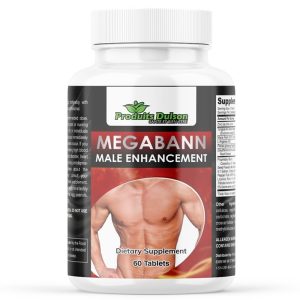
Megabann Male Enhancement
We just covered how hormonal shifts, stress, and nutrient gaps work together to drain vitality over time. Megabann combines natural ingredients traditionally associated with male endurance and stamina into a 60-tablet formula. It is designed to complement the lifestyle adjustments discussed above — not replace them — and may offer targeted daily support for men looking to address multiple vitality factors at once.
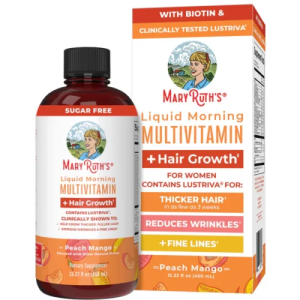
Liquid Morning Multi Vitamin
If the nutrient absorption decline we discussed resonated with you — especially zinc, B12, and magnesium getting harder to absorb with age — a liquid multivitamin may offer a practical advantage. Liquid formulas are generally absorbed more efficiently than tablets, and this one is designed to support morning energy without adding complexity to your routine.
Hormonal vs. Lifestyle Factors — Side by Side
To help you figure out what might be driving your experience, here is a breakdown of the most common contributors to low vitality, how they typically show up, and what type of support may be relevant for each one.
| Contributing Factor | Common Symptoms | Type of Support |
|---|---|---|
| Hormonal decline (testosterone) | Low libido, reduced muscle recovery, mood changes | Adaptogenic herbs, zinc, lifestyle optimization |
| Poor sleep quality | Morning fatigue, brain fog, irritability | Sleep hygiene, magnesium, stress reduction |
| Nutrient depletion | Weakness, slow recovery, low immunity | Multivitamin, targeted minerals, diet improvements |
| Chronic stress | Anxiety, belly fat accumulation, low motivation | Adaptogens, exercise, breathing practices |
| Mitochondrial decline | General fatigue, exercise intolerance | CoQ10, B vitamins, regular physical activity |
| Chronic inflammation | Joint stiffness, slow recovery, persistent fatigue | Anti-inflammatory foods, turmeric, omega-3 |
Notice something? Almost every factor on this list overlaps with at least one other. That is why a single-factor approach — like taking a testosterone booster and nothing else — rarely moves the needle the way men hope it will. The body does not work in isolation, and neither should your approach.
One practical exercise: spend a week tracking your energy on a simple 1-10 scale at three points during the day — morning, mid-afternoon, and evening. Also note your sleep quality, stress level, and what you ate. After seven days, patterns tend to emerge that point clearly toward one or two primary drivers. That is where you start.

Signs Your Body May Be Asking for Help
Not every tired day means something is wrong. But there are patterns that suggest your body is genuinely struggling to maintain normal function. Here is what to watch for.
Signals That May Indicate Declining Vitality
- Fatigue that persists despite consistent 7-8 hours of sleep
- Noticeably reduced physical endurance during exercise
- Difficulty concentrating or remembering things in the afternoon
- A significant drop in motivation or drive without an obvious emotional cause
- Decreased interest in intimacy or reduced sexual function
- Increased recovery time after workouts or physical exertion
- Unexplained weight gain, particularly around the midsection
- Waking up feeling unrefreshed despite sleeping through the night
If you recognize three or more of these, it does not necessarily mean something is seriously wrong. But it is worth paying attention — and it is definitely worth bringing up with your doctor at your next checkup. Blood work can reveal hormone levels, nutrient deficiencies, and inflammatory markers that give you a clearer picture.
⚠️ Important: If you experience sudden or severe changes in energy, mood, or sexual function, consult a healthcare professional promptly. These symptoms can sometimes signal underlying medical conditions that require proper diagnosis and treatment.
That said, many men who visit their doctor with these complaints receive normal blood work results. Everything checks out on paper, but they still feel off. This is where lifestyle factors and nutritional gaps become the primary suspects — and where natural support strategies may be most relevant.
Daily Habits That May Actually Make a Difference
Before we talk about supplements, let us address the foundation. No supplement can compensate for consistently poor habits. These are the lifestyle factors that research consistently links to better vitality outcomes in men.
Prioritize Sleep Quality Over Duration
Seven hours of uninterrupted, deep sleep may be more restorative than nine hours of fragmented sleep. Keep your bedroom cool and dark, stop screens 60 minutes before bed, and aim for a consistent wake time — even on weekends. Sleep is when testosterone production peaks and when your body performs most of its repair work.
Move Your Body With Intention
Resistance training in particular has been associated with supporting healthy testosterone levels. You do not need to become a powerlifter — two to three sessions per week of moderate-intensity strength training, combined with regular walking, may be enough to make a noticeable difference in energy and mood.
Address Stress Before It Becomes Chronic
Chronic stress keeps cortisol elevated, which may suppress testosterone and impair sleep quality. Find a stress management method that actually fits your life — whether that is a 10-minute walk after dinner, a breathing exercise before bed, or simply learning to say no to commitments that drain you.
Eat for Nutrients, Not Just Calories
Focus on foods rich in zinc (pumpkin seeds, beef, oysters), magnesium (dark leafy greens, almonds), and healthy fats (avocado, olive oil, fatty fish). Protein intake matters too — aim for roughly 1.2-1.6 grams per kilogram of body weight distributed across meals throughout the day.
These are not groundbreaking suggestions. But that is precisely the point. The fundamentals work — they just are not sexy enough to sell magazine covers. Build this base first. Then consider supplementation as an additional layer of support.
How to Evaluate a Vitality Supplement
If you have decided that a supplement might complement your existing habits, here is how to evaluate what is actually worth your money — and what is just marketing noise.
What to Look For on the Label
- Transparent ingredient list with exact dosages (avoid proprietary blends)
- Ingredients with at least some research backing (ashwagandha, zinc, tongkat ali, fenugreek)
- Third-party testing certification (USP, NSF, or independent lab verification)
- Realistic claims — no « guaranteed results » or « doctor recommended » without proof
- Clear manufacturer information and contact details
The dosage question matters more than most people realize. Many supplements include the right ingredients at doses too small to match the amounts used in research. This is called « pixie dusting » — including an ingredient just so it appears on the label, without enough to have a meaningful effect.
For example, ashwagandha has been studied most commonly at doses between 300-600mg of a standardized root extract. If a supplement contains only 50mg in a proprietary blend, you are unlikely to see the same results the research describes. Always check the Supplement Facts panel, not just the marketing copy on the front of the bottle.
We also recommend visiting communities where real users share their experiences. Online discussions can give you a practical sense of what people notice — and what they do not — when using specific formulations. That kind of real-world feedback is often more useful than any marketing page.
Common Mistakes Men Make When Seeking Solutions
After years of working in this space, we have seen the same patterns repeat. Here are the mistakes that tend to derail the best intentions.
🚨 Caution: Stacking multiple supplements without understanding interactions can do more harm than good. More is not always better — especially when it comes to fat-soluble vitamins, zinc, and herbal extracts that may interact with medications.
Mistake #1: Starting with supplements before fixing sleep. If you are getting fewer than six hours of quality sleep per night, that alone can suppress testosterone by 10-15%. No supplement can overcome that deficit. Fix sleep first.
Mistake #2: Chasing the latest trend instead of sticking with basics. Every few months, a new « miracle ingredient » goes viral. But the ingredients with the most consistent evidence — zinc, magnesium, ashwagandha, vitamin D — have been studied for decades. Start with the boring stuff. It works.
Mistake #3: Expecting results in a week. Most natural supplements need 4-8 weeks of consistent use before any noticeable difference. If you stop after ten days because you do not feel anything yet, you are not giving the process a fair chance.
Mistake #4: Ignoring the role of body fat. Excess visceral fat — the kind that accumulates around the midsection — is metabolically active and may convert testosterone to estrogen through a process called aromatization. Losing even a modest amount of excess body fat can have a measurable impact on hormonal balance.
Mistake #5: Not tracking anything. Without a baseline and a simple tracking method, you have no way to know whether what you are doing is actually working. Keep a brief daily log of energy, mood, and sleep quality. Data beats guesswork every time.

Benefits and Honest Considerations of Natural Support
We believe in being upfront. Natural vitality support has real potential — but it also has real limitations. Here is an honest look at both sides.
Potential Benefits
- May help address nutritional gaps that contribute to fatigue
- Natural ingredients generally carry fewer side effects than synthetic alternatives
- Can be combined with lifestyle changes for a multi-factor approach
- Some ingredients (ashwagandha, zinc) have solid research backing
- May support energy, mood, and recovery over consistent use
- Available without a prescription for men who do not meet clinical thresholds
Things to Consider
- Results vary — what works for one man may not work for another
- Most natural supplements take 4-8 weeks to show noticeable effects
- They do not replace medical treatment for diagnosed conditions
- Quality varies significantly across brands and formulations
- Potential interactions with medications (always check with your doctor)
- Not a substitute for proper sleep, exercise, and nutrition
The men who tend to benefit most from natural vitality support are those who already have a reasonable lifestyle foundation in place and are looking for an additional edge. If your sleep is good, your stress is manageable, you exercise regularly, and you eat reasonably well — then targeted supplementation may help fill the remaining gaps.
If, on the other hand, you are sleeping five hours a night, eating fast food daily, and dealing with unmanaged stress — a supplement is probably not where your biggest return on investment lies. Fix the foundation first. Supplement second.
Putting It All Together — A Realistic Starting Point
Here is a practical framework if you are reading this and wondering where to actually begin. This is not a prescription — it is a starting point for a conversation with yourself and, ideally, your healthcare provider.
Week 1-2: Establish Your Baseline
Track your energy, sleep, and mood daily. Get blood work done if you have not recently — testosterone, vitamin D, zinc, B12, and a basic metabolic panel. This gives you a starting reference point.
Week 2-4: Optimize the Fundamentals
Focus on sleep hygiene, consistent physical activity, stress management, and nutrient-dense foods. These are the highest-leverage changes you can make with zero cost.
Week 4-6: Consider Targeted Support
If the fundamentals are in place and you want additional support, consider starting with a high-quality multivitamin or a targeted supplement with ingredients like ashwagandha, zinc, and magnesium. Start one thing at a time so you can isolate what is actually helping.
Week 8+: Evaluate and Adjust
Compare your tracking data to your baseline. Are you sleeping better? Do you have more energy in the afternoon? Is your mood more stable? If yes, you are on the right track. If not, adjust one variable at a time and give it another 4 weeks.
This patient, methodical approach may not be as exciting as the promise of a magic pill, but it is the approach that actually works for most men. And when you combine solid habits with the right natural support — chosen carefully, not impulsively — the cumulative effect over a few months can be genuinely meaningful.
For personalized guidance, our team is always available to help. Feel free to reach out to us directly — we are happy to answer questions about any of our products or natural wellness strategies.
Frequently Asked Questions
What age does male vitality typically start to decline?
Most research suggests that gradual hormonal changes begin around age 30, with a roughly 1-2% yearly decline in total testosterone. However, noticeable symptoms often do not appear until the mid-40s or later, depending on lifestyle factors. Sleep quality, stress levels, diet, and exercise habits all influence how quickly or slowly these changes become apparent.
Can diet alone address low vitality?
Diet is a powerful foundation, but it is rarely the whole answer. A nutrient-dense diet rich in zinc, magnesium, B vitamins, and healthy fats may support hormonal health and energy production. However, if other factors like poor sleep, chronic stress, or absorption issues are at play, dietary changes alone may not be enough. Think of diet as one essential pillar among several. You can find products that may help complement your dietary efforts in our wellness collection.
How long should I try a natural supplement before expecting results?
Most natural ingredients need at least 4-8 weeks of consistent daily use before you can fairly evaluate their effects. Some men notice subtle changes — better sleep, more stable mood — within the first two weeks, while more significant shifts in energy and stamina often take closer to 6-8 weeks. Patience and consistency are important.
Should I see a doctor before taking vitality supplements?
Yes — especially if you are over 40, take medications, or have existing health conditions. A healthcare provider can run blood tests to identify specific deficiencies or hormonal imbalances, which helps you choose supplements that actually address your needs rather than guessing. This is particularly important for men taking blood pressure medications, blood thinners, or diabetes drugs, as some supplement ingredients may interact with these.
What is the difference between a multivitamin and a vitality supplement?
A multivitamin provides a broad spectrum of essential vitamins and minerals to fill general nutritional gaps. A vitality supplement is more targeted — it typically contains ingredients like adaptogens, herbal extracts, or specific amino acids chosen for their traditional association with energy, stamina, or hormonal support. Many men benefit from using both: a multivitamin as a foundation and a targeted supplement for specific goals.
« Testosterone deficiency is associated with an increased risk of mortality and morbidity, and testosterone therapy may improve various aspects of health in men with testosterone deficiency. »
— The Journal of Clinical Endocrinology & Metabolism, Endocrine Society Guidelines (2018)
🌿 Explore Our Natural Products
⚠️ Disclaimer: The information in this article is provided for educational purposes only and does not constitute medical advice. Always consult a qualified healthcare professional before starting any supplement or making changes to your health routine. Individual results may vary. These statements have not been evaluated by the Food and Drug Administration. This product is not intended to diagnose, treat, cure, or prevent any disease.