
Morning Energy Without the Crash: How to Build a Better Daily Support Routine
That 2 PM wall you keep hitting is not random. It is your body telling you that something about your morning routine is setting you up for failure. Here is how to fix the pattern.
In This Article
- Why Most Morning Energy Strategies Backfire
- The Cortisol Rhythm: Your Built-In Energy Clock
- The Key Players: B Vitamins, Adaptogens, and L-Theanine
- Timing Is Everything: A Time-of-Day Protocol
- Early Warning Signs of an Energy Pattern Problem
- Breakfast Choices That Set the Tone
- How to Pick a Morning Supplement That Actually Helps
- Habits That Sabotage Morning Energy
- Benefits and Honest Trade-Offs
- Putting It All Together: Your First Week
- Frequently Asked Questions
You know the drill. Alarm goes off. You reach for coffee. Energy spikes. You feel productive for a few hours. Then somewhere around lunchtime or early afternoon, the floor drops out. Fatigue hits. Focus scatters. You reach for more caffeine — and the cycle repeats.
The frustrating part is that most advice about morning energy boils down to « drink water and get sunlight. » Which is not wrong — but it barely scratches the surface. The real question is why your energy crashes in the first place, and what you can do at the root level to build sustained alertness that does not depend on stimulants. At Dulson Sante, we have spent a lot of time looking at this problem, and the answer involves understanding your cortisol rhythm, cellular energy production, and how specific nutrients work together to keep things running smoothly.
This article maps out a practical morning energy protocol — what to do when you wake up, what to take with breakfast, and how to set yourself up so the afternoon crash becomes the exception rather than the rule.

Why Most Morning Energy Strategies Backfire
ℹ️ Did You Know: According to research published in the Journal of Clinical Endocrinology and Metabolism, cortisol levels peak naturally between 6 AM and 8 AM. Drinking coffee during this peak may blunt your body’s own alertness response — which is why many sleep researchers recommend waiting 60 to 90 minutes after waking for your first cup.
The most common morning energy strategy in the Western world is simple: caffeine, and lots of it. About 62% of Americans drink coffee daily, with the average consumption sitting around three cups. And for a quick, temporary boost, caffeine works. The problem is what happens next.
Caffeine blocks adenosine receptors in your brain — adenosine being the molecule that makes you feel sleepy. But it does not eliminate adenosine. It just delays the signal. So when the caffeine wears off, all that accumulated adenosine floods your receptors at once. That is the crash. And if you respond by drinking more coffee, you push the crash to later in the day, disrupt your sleep, and wake up more depleted tomorrow. It is a debt cycle.
The smarter approach is working with your body’s natural energy systems — cortisol rhythm, mitochondrial ATP production, and neurotransmitter balance — rather than overriding them with stimulants. That does not mean you have to quit coffee. It means structuring your morning so caffeine is a complement, not a crutch.
The Cortisol Rhythm: Your Built-In Energy Clock
Your body runs on a 24-hour cycle called the circadian rhythm, and cortisol is its primary wake-up signal. Understanding this rhythm is the foundation of any real morning energy strategy.
How It Works
Cortisol rises steeply in the 30 to 45 minutes after waking — a phenomenon researchers call the Cortisol Awakening Response (CAR). This spike is designed to make you alert, mobilize glucose for energy, and prepare your brain for the demands of the day. It typically peaks between 6 AM and 8 AM, then gradually declines through the afternoon and evening.
Where Things Go Wrong
When you are chronically stressed, sleep-deprived, or nutritionally depleted, this cortisol curve flattens. Instead of a strong morning peak followed by a gradual decline, you get a weak, flat line — low energy in the morning that barely rises, followed by an evening spike that makes it hard to sleep. This creates a vicious cycle: poor sleep leads to flat cortisol, flat cortisol leads to poor energy, poor energy leads to more stress, and more stress disrupts sleep further.
The goal of a good morning routine is to support a strong CAR peak, protect the natural decline, and avoid anything that flattens the curve further. Nutrients, movement timing, light exposure, and breakfast composition all play a role — and that is exactly what we are building toward.
The Key Players: B Vitamins, Adaptogens, and L-Theanine
Three categories of nutrients show up repeatedly in the research on sustained energy without crashes. Understanding how each one works — and how they complement each other — is the key to building a support stack that actually does something.
B Vitamins: The Cellular Energy Converters
B vitamins are not energy in a bottle — they are cofactors. They help your mitochondria convert the food you eat into ATP, which is the actual energy currency your cells run on. Without adequate B1 (thiamine), B2 (riboflavin), B3 (niacin), B5 (pantothenic acid), B6, B9 (folate), and B12, this conversion process slows down. You eat the same food but extract less energy from it.
The catch is that B vitamins are water-soluble — your body does not store them well. You need a fresh supply daily, and stress, alcohol, certain medications (metformin, PPIs), and poor diet can deplete them faster than you replenish them.
Adaptogens: The Stress Modulators
Adaptogens are a class of botanical compounds that may help the body regulate its stress response. The most researched ones include ashwagandha, rhodiola rosea, and eleuthero (Siberian ginseng). Rather than stimulating or sedating, they appear to modulate — helping bring an overactive stress response down or an underactive one up.
A 2012 study published in Phytomedicine found that rhodiola rosea supplementation was associated with reduced fatigue and improved attention in participants experiencing burnout. Ashwagandha has shown potential in multiple studies for supporting cortisol regulation, though results vary between individuals.
L-Theanine: The Calm Focus Agent
Found naturally in green tea, L-theanine promotes alpha brain wave activity — the frequency associated with calm alertness. When combined with caffeine (as it naturally occurs in tea), research suggests it may smooth out the jittery stimulation of caffeine alone, promoting focus without the anxiety spike.
💡 Good to Know: The combination of L-theanine and caffeine has been studied more extensively than either compound alone. A 2008 study in Nutritional Neuroscience found that the pairing may support improved attention and task-switching accuracy compared to caffeine by itself. This is one reason many wellness-focused people prefer green tea to coffee — or add L-theanine to their morning coffee.
Here is where it gets interesting: these three groups work on different systems. B vitamins handle energy production at the cellular level. Adaptogens modulate the stress-cortisol axis. L-theanine supports neurotransmitter balance for focused calm. Together, they address three different mechanisms that contribute to energy crashes — which is why layering them tends to be more effective than relying on any one alone.
Support Your Morning Energy Naturally

Liquid Morning Multi Vitamin
The B vitamins and cofactors we just discussed are exactly what a solid morning multivitamin should deliver. This liquid formula is designed to be taken with your first meal — supporting the cellular energy conversion process from the start of your day. Liquid format may also offer better absorption than tablets, particularly for those with sensitive digestion.
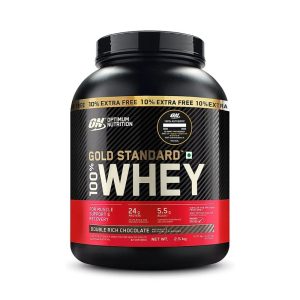
Proteine Whey Gold Standard 2.5 kg
We will cover this in the breakfast section ahead, but protein at your first meal is one of the most reliable ways to stabilize blood sugar and prevent the mid-morning dip. This whey protein delivers a high-quality amino acid profile that may help sustain energy between meals — especially paired with complex carbohydrates and healthy fats.
Timing Is Everything: A Time-of-Day Protocol
Knowing what to take is only half the equation. When you take it — relative to waking, eating, and your cortisol curve — can make the difference between noticeable results and a pile of expensive urine. Here is a practical protocol based on the mechanisms we have covered.
| Time Window | What to Do | Why It Matters |
|---|---|---|
| Within 5 minutes of waking | 12-16 oz of water + morning light exposure | Rehydrates after 7-8 hours without water; light triggers cortisol awakening response |
| 15-30 minutes after waking | Liquid multivitamin with breakfast preparation | B vitamins begin supporting energy metabolism; pairs with incoming food for absorption |
| With breakfast (30-60 min after waking) | Protein-rich meal + adaptogen supplement if using one | Protein stabilizes blood sugar; adaptogens support cortisol modulation for the day ahead |
| 60-90 minutes after waking | First caffeine (if desired) — ideally with L-theanine | After natural cortisol peak subsides, caffeine provides a complementary boost without overriding CAR |
| Mid-morning (10-11 AM) | Small snack if needed (protein + fiber) | Prevents the pre-lunch blood sugar dip that triggers cravings and brain fog |
This protocol is not about rigid rules. It is about understanding the logic behind the timing so you can adapt it to your actual schedule. If you wake at 5 AM or 8 AM, the relative windows still apply — it is the sequence that matters, not the clock time.
One thing communities on r/fitness frequently discuss is the delayed caffeine approach. Many people who try waiting 60-90 minutes after waking before their first coffee report that they need less caffeine overall and experience fewer crashes. It feels counterintuitive at first, but the science supports it.
Early Warning Signs of an Energy Pattern Problem
Not every afternoon slump is a crisis. But certain patterns suggest that something deeper — a nutrient gap, a sleep issue, or a cortisol imbalance — may need attention.
Patterns Worth Paying Attention To
- You feel more tired upon waking than you did before bed — even after 7-8 hours of sleep
- Energy drops sharply and predictably between 1-3 PM regardless of what you ate
- You need increasing amounts of caffeine to get the same effect you used to get from one cup
- Concentration breaks down noticeably after lunch and does not recover
- You feel wired or anxious in the evening but exhausted during the day
- Weekends of rest do not seem to recharge you the way they used to
⚠️ Important: Persistent fatigue that does not respond to improved sleep, nutrition, and stress management should be evaluated by a healthcare provider. It can be a symptom of thyroid disorders, anemia, sleep apnea, depression, or other conditions that require proper medical attention — not just supplements.
If two or more of those patterns describe your daily experience, the protocol in this article may help — but it is also worth mentioning to your doctor at your next visit. Sometimes the most important supplement is the one that tells you something else needs investigating.

Breakfast Choices That Set the Tone
What you eat within the first 60 to 90 minutes of your day has an outsized impact on how the rest of your energy curve unfolds. And most typical breakfasts set people up for failure.
The Problem With High-Carb, Low-Protein Mornings
Cereal, toast with jam, a muffin, a glass of juice — these are essentially sugar delivery systems with different packaging. They spike blood glucose rapidly, trigger a strong insulin response, and then cause a reactive dip that leaves you foggy and hungry by 10 AM. If this pattern sounds familiar, it is because an estimated 70% of standard Western breakfast foods are carbohydrate-dominant with minimal protein or fiber.
What Works Better
A breakfast that includes 20 to 30 grams of protein, some healthy fat, and complex carbohydrates produces a much flatter, more sustained glucose curve. This means slower energy release, better focus, and significantly less likelihood of a mid-morning crash. Examples include eggs with avocado and whole-grain toast, a protein smoothie with oats and nut butter, or Greek yogurt with seeds and berries.
Step 1: Start With Protein
Aim for at least 20g of protein at breakfast. Eggs, whey protein shakes, cottage cheese, or leftover chicken all work. Protein triggers glucagon, which counterbalances insulin and helps prevent blood sugar crashes.
Step 2: Add Healthy Fat
Avocado, nuts, olive oil, or coconut oil slow gastric emptying — meaning the entire meal digests more gradually. This extends the energy window and improves absorption of fat-soluble vitamins from your multivitamin.
Step 3: Include Fiber-Rich Carbs
Oats, sweet potato, berries, or whole-grain bread provide glucose your brain needs — but the fiber slows its release into your bloodstream. The result is steady fuel rather than a spike-and-crash pattern.
This is not about perfection. It is about moving the needle from « sugar bomb » breakfasts toward meals that give your body the raw materials for sustained energy. Even small shifts — adding two eggs to your toast, or blending protein powder into your morning smoothie — can make a meaningful difference within days.
Looking for protein options to anchor your morning routine? Browse our fitness and wellness collection for practical options.

How to Pick a Morning Supplement That Actually Helps
If you are going to add a morning supplement to your routine, here is what to look for — and what to avoid.
What a Good Morning Supplement Should Have
- Full-spectrum B vitamins in active forms (methylfolate, methylcobalamin, P-5-P)
- Vitamin D3 — most adults are insufficient, and it plays a role in energy metabolism
- Minerals like magnesium and zinc that support hundreds of enzymatic reactions
- No mega-doses of any single nutrient beyond reasonable daily values
- Transparent labeling — every ingredient and dose clearly listed
- Third-party testing for purity (USP, NSF, or equivalent certification)
Red Flags in « Energy » Supplements
Be cautious of products marketed as « energy boosters » that rely on hidden caffeine, guarana, or other stimulants. These create the illusion of energy while masking the very depletion you are trying to fix. Also watch for proprietary blends — if the label says « Energy Matrix 800mg » without listing how much of each ingredient is in that blend, you have no way to evaluate it.
The simplest test: flip the bottle over. If you can read every ingredient and its dose on the supplement facts panel, that is a good sign. If key information is hidden behind proprietary terminology, consider it a warning.
If you have questions about which products might fit your morning routine, our team is available to help.
Habits That Sabotage Morning Energy
Sometimes the problem is not what you are missing — it is what you are doing that works against you. These are the most common energy-killing habits we see.
🚨 Caution: Certain medications can contribute to fatigue as a side effect — including blood pressure medications, antihistamines, antidepressants, and statins. If you suspect a medication is affecting your energy, talk to your prescribing doctor before making any changes. Never adjust prescription medication on your own.
Habit #1: Checking your phone before your feet hit the floor. Screen time immediately upon waking floods your brain with cortisol-triggering stimuli (emails, news, social media) before your natural cortisol rhythm has a chance to peak normally. This can dysregulate the Cortisol Awakening Response. Try putting your phone in another room or at least delaying the check for 30 minutes.
Habit #2: Skipping breakfast and running on coffee. Caffeine on an empty stomach amplifies cortisol and adrenaline, which feels like energy but actually depletes your reserves faster. Adding food — especially protein and fat — gives your body actual fuel to burn.
Habit #3: Late-night eating or heavy dinners. Eating large meals within two hours of bedtime can disrupt sleep quality by keeping your digestive system active when it should be winding down. This reduces deep sleep, which is when cellular repair and hormone regulation happen. Less deep sleep equals weaker morning energy.
Habit #4: Inconsistent wake times. Your circadian rhythm thrives on consistency. If you wake at 6 AM on weekdays and 10 AM on weekends, you are giving yourself « social jet lag » every Monday. Keeping your wake time within a 30-minute window — even on weekends — dramatically improves morning alertness over time.
Habit #5: Overtraining in the evening. Intense exercise within three hours of bedtime can elevate cortisol and body temperature, making it harder to fall asleep and reducing sleep quality. If evening is your only option, shift toward lower-intensity activities like walking, yoga, or stretching.
Benefits and Honest Trade-Offs
Building a structured morning energy routine has real potential. But we want to be straightforward about what it can and cannot do.
Benefits
- Works with your body’s natural circadian rhythm rather than overriding it
- Addresses root causes of energy crashes instead of masking symptoms
- Reduces dependence on caffeine as a primary energy source
- Improvements in focus and mood often compound within weeks
- Pairs well with other wellness goals like fitness, weight management, and sleep quality
Things to Consider
- Takes 2-4 weeks of consistency before noticeable changes for most people
- Requires adjusting deeply ingrained habits like immediate caffeine and phone checking
- Supplements support the process but cannot fix poor sleep or chronic stress alone
- Individual responses to adaptogens vary widely — what works for one person may not work for another
- Persistent fatigue may signal an underlying medical condition that requires professional evaluation
Putting It All Together: Your First Week
Starting a new morning routine does not have to be overwhelming. Here is a practical week-one plan that introduces changes gradually so they actually stick.
Days 1-2: Water and Light First
Change one thing: before reaching for coffee, drink 12-16 oz of water and get some natural light exposure (even through a window). Note how you feel by 10 AM compared to your usual routine. That is your baseline.
Days 3-4: Add Protein to Breakfast
Keep the water and light habit, and now upgrade your breakfast to include at least 20g of protein. Eggs, a protein shake, or Greek yogurt all count. Delay your first coffee to 60 minutes after waking if you can.
Days 5-7: Introduce Your Morning Supplement
Add your liquid multivitamin or targeted B-vitamin supplement with breakfast. Maintain the water-light-protein routine you have built. By day 7, you have a complete morning protocol that takes less than 10 extra minutes.
💡 Good to Know: Pregnant and nursing women should consult their healthcare provider before starting any new supplement routine — including multivitamins, adaptogens, and protein supplements. Some ingredients that are safe for the general population may not be appropriate during pregnancy or lactation.
The goal is not perfection from day one. It is building a sequence of small habits that compound. Most people who stick with this approach for three to four weeks report noticeably steadier energy, reduced caffeine cravings, and better afternoon focus. It is not magic — it is just aligned with how your body actually works.
Want to explore more daily wellness strategies? Check out the Dulson Sante blog for practical articles on supplements, nutrition, and building healthy routines.
Frequently Asked Questions
Do I have to give up coffee to have better morning energy?
Not at all. Coffee itself is not the problem — it is the timing and dependence pattern that tends to backfire. Most of the research suggests that delaying your first cup to 60-90 minutes after waking allows your natural cortisol peak to do its job first. After that, moderate caffeine (1-2 cups) can complement your natural energy. The goal is using coffee as a tool, not a life support system.
How quickly will I notice a difference with this routine?
The water-light-protein changes often produce noticeable effects within the first few days — mainly because dehydration and blood sugar instability have immediate impacts. Supplement benefits typically take longer — two to four weeks for B vitamins and multivitamins, and four to eight weeks for adaptogens. Track your energy on a simple 1-10 scale each afternoon for the first month so you have objective data to work with.
Are adaptogens safe to take every day?
Most well-researched adaptogens like ashwagandha and rhodiola appear safe for daily use based on available studies. However, some practitioners recommend cycling — for example, five days on, two days off, or eight weeks on, two weeks off. People taking thyroid medication, immunosuppressants, or sedatives should consult their healthcare provider before using adaptogens, as interactions are possible. You can browse our supplement options for products that may complement a daily adaptogen routine.
What if I work night shifts? Does this protocol still apply?
The principles apply, but the timing shifts. Your « morning » is whenever you wake up after your longest sleep period. The same sequence — water, light exposure, protein-rich meal, delayed caffeine — works regardless of clock time. The challenge with shift work is that artificial light cannot fully replicate the circadian signal of sunrise, so vitamin D supplementation and consistent wake times become even more important.
Is a liquid multivitamin really better than a pill?
Liquid formulas may offer a modest absorption advantage because they skip the dissolution step that tablets require. This can be meaningful for people with reduced stomach acid, digestive sensitivities, or difficulty swallowing pills. For most healthy adults, a high-quality tablet works fine too. The best format is the one you will actually take consistently every morning.
« Circadian disruption and chronic sleep loss alter the cortisol rhythm, impair glucose metabolism, and reduce subjective energy — independent of total sleep time. »
— Leproult & Van Cauter, Dialogues in Clinical Neuroscience, 2010
🌿 Explore Our Natural Products →
⚠️ Disclaimer: The information in this article is provided for educational purposes only and does not constitute medical advice. Always consult a qualified healthcare professional before starting any supplement or making changes to your health routine. Individual results may vary. These statements have not been evaluated by the Food and Drug Administration. This product is not intended to diagnose, treat, cure, or prevent any disease.