
Natural Ingredients Commonly Used for Men’s Vitality and What They Are Known For
Between exaggerated supplement labels and impenetrable research papers, it is hard to get a straight answer about what natural ingredients actually do. This guide fills that gap — ingredient by ingredient, with honesty about what we know and what we do not.
In This Article
- Why a Straight-Talk Ingredient Guide Matters
- Ashwagandha — The Adaptogen With the Most Research
- Tongkat Ali — Traditional Roots With Growing Evidence
- Zinc, Magnesium, and the Foundation Minerals
- L-Citrulline and L-Arginine — The Blood Flow Amino Acids
- Fenugreek, Maca, and Tribulus — Separating Tradition From Evidence
- How These Ingredients Work Together
- Red Flags and Common Ingredient Pitfalls
- Benefits and Honest Limitations
- Choosing Quality — What the Label Should Tell You
- Frequently Asked Questions
Walk into any supplement aisle or browse any men’s health website, and you will find dozens of ingredients claiming to support vitality, energy, and performance. The problem is that the information about them tends to fall into two unhelpful extremes: either wildly exaggerated marketing copy that makes everything sound like a miracle, or dense academic papers that require a biochemistry degree to parse.
Neither serves the man who just wants to know: does this ingredient actually do anything? What does the evidence say? And what should I look for if I decide to try it?
That is what this article delivers. At Dulson Sante, we believe informed decisions are better decisions. We will walk through the most commonly used natural ingredients for men’s vitality — explaining what each one is traditionally used for, what current research supports, where the evidence is still limited, and practical details like dosage ranges seen in studies and what to watch for on labels.
No hype. No overstatement. Just the kind of honest reference guide you can come back to whenever you are evaluating a product or planning your supplement approach.

Why a Straight-Talk Ingredient Guide Matters
ℹ️ Did You Know: A large percentage of men’s vitality supplements use proprietary blends that list ingredients without specifying individual dosages. This makes it impossible to know whether you are getting a clinically relevant amount of any given ingredient — or just a token dose added for label appeal.
The supplement industry generates billions of dollars annually, and the men’s vitality category is one of its fastest-growing segments. That creates a strong financial incentive to overstate benefits and understate limitations. As a consumer, your best defense is knowledge — specifically, understanding what each ingredient actually is, what the research says about it, and what constitutes a meaningful dose.
This guide covers the ingredients you will encounter most frequently in men’s vitality formulas. For each one, we will tell you what it is traditionally used for, what the current body of research supports, where the evidence is still incomplete, and what practical details matter if you decide to try it.
One important note upfront: « traditionally used for » and « proven to » are very different statements. Many of these ingredients have centuries of use in traditional medicine systems — Ayurveda, Traditional Chinese Medicine, Southeast Asian herbal traditions. That history is valuable, but it is not the same as controlled clinical evidence. We will be clear about where each ingredient stands on that spectrum.
Ashwagandha — The Adaptogen With the Most Research
Ashwagandha (Withania somnifera) is probably the best-studied adaptogen for men’s vitality. Adaptogens are a class of herbs that may help the body manage stress more effectively by modulating the hypothalamic-pituitary-adrenal (HPA) axis — essentially your body’s central stress response system.
Traditional use: In Ayurvedic medicine, ashwagandha has been used for thousands of years as a rejuvenating tonic — traditionally prescribed for fatigue, stress, low vitality, and general weakness. The name itself translates roughly to « smell of the horse, » referring to both its distinct scent and the vitality it was traditionally believed to impart.
What research currently supports: Several human clinical trials have investigated ashwagandha’s effects on cortisol, testosterone, and stress markers. A frequently cited 2019 study published in the American Journal of Men’s Health found that men taking 240mg of ashwagandha extract daily for 8 weeks showed improvements in self-reported fatigue and vigor compared to placebo. Other studies using the KSM-66 extract at 600mg daily have reported statistically significant cortisol reduction in chronically stressed adults.
Regarding testosterone, some studies have observed modest increases in men who were stressed or had sub-optimal levels. However, the effect on men with already-normal testosterone is less clear. This is an important distinction that marketing materials rarely make.
600mg
Most commonly studied daily dose of ashwagandha KSM-66 extract in human clinical trials for stress and vitality
Where evidence is limited: Long-term safety data beyond 12 weeks is still sparse. The effect on men without elevated stress or cortisol levels is less documented. And not all ashwagandha extracts are created equal — the standardization method (withanolide content) significantly affects potency.
Practical notes: Look for standardized extracts (KSM-66 or Sensoril are the most studied). Root-only extracts are traditional; leaf-and-root combinations may differ in composition. If you take thyroid medication, blood pressure drugs, or immunosuppressants, consult your doctor — ashwagandha may interact with these.
Tongkat Ali — Traditional Roots With Growing Evidence
Tongkat Ali (Eurycoma longifolia), also called Longjack or Malaysian ginseng, is a flowering plant native to Southeast Asia. Its root has been used for centuries in traditional Malaysian and Indonesian medicine as an energy tonic and aphrodisiac.
Traditional use: Traditionally consumed as a bitter root decoction, tongkat ali was used by men for vitality, stamina, and to support what traditional healers described as masculine energy. It remains one of the most widely used herbal supplements in Southeast Asia.
What research currently supports: A growing body of research suggests tongkat ali may influence testosterone metabolism. One proposed mechanism is the inhibition of sex hormone-binding globulin (SHBG), which could increase free testosterone availability without necessarily increasing total testosterone production. Some studies have also reported improvements in self-reported fatigue, mood, and stress markers.
A 2012 study published in the Journal of the International Society of Sports Nutrition found that tongkat ali supplementation was associated with improved stress hormone profiles and certain mood state parameters in moderately stressed adults.
Where evidence is limited: Most human studies are small, and many were conducted in Southeast Asian populations with potential dietary and genetic differences from Western populations. The optimal dosage is not firmly established, though most studies use 200-400mg of a standardized extract daily. Long-term safety data is limited.
💡 Good to Know: Quality matters enormously with tongkat ali. The root requires careful extraction to concentrate the active compounds (eurycomanone and quassinoids). Low-quality products may use leaf or stem material instead of root, which differs significantly in composition. Look for standardized root extracts with eurycomanone content specified.
Practical notes: Tongkat ali may interact with blood pressure medications and diabetes drugs. It is generally taken in cycles (5 days on, 2 off) in some traditional protocols, though this cycling recommendation is anecdotal rather than research-based. Start with a lower dose to assess tolerance.
Natural Formulas That Bring These Ingredients Together
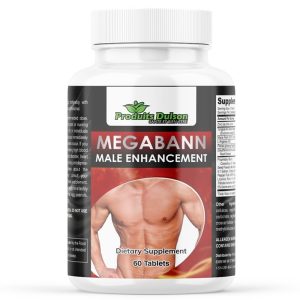
Megabann Male Enhancement
The ingredients we have been covering — adaptogens, minerals, and traditional vitality herbs — are exactly the type of natural compounds that Megabann brings together in a single formula. Rather than purchasing individual ingredients separately, this 60-tablet supplement is designed to provide a convenient, combined approach to male vitality support using ingredients traditionally associated with endurance and stamina.
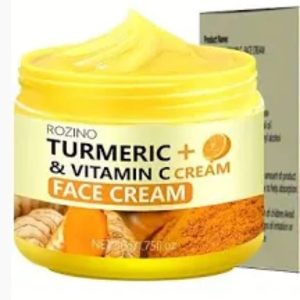
Rozino Turmeric
While we have focused primarily on hormone and energy-supporting ingredients, the anti-inflammatory foundation matters too. Curcumin — the active compound in turmeric — has been widely studied for its antioxidant properties, and chronic inflammation is increasingly recognized as a contributing factor to vitality decline. Rozino Turmeric may serve as a complementary addition to a male vitality routine.
Zinc, Magnesium, and the Foundation Minerals
Before we get into the more exotic herbs, let us talk about the minerals that form the foundation. These are not glamorous, but they may be the most important ingredients in any men’s vitality formula — simply because deficiency in either one can undermine everything else.
Zinc
Zinc is essential for testosterone synthesis. That is not a marketing claim — it is established biochemistry. The enzyme 5-alpha reductase, which converts testosterone to its more potent form (DHT), requires zinc as a cofactor. Zinc also plays roles in immune function, protein synthesis, and wound healing.
The problem? Zinc is one of the most commonly deficient minerals in men over 40. Soil depletion has reduced zinc content in many foods. Stomach acid decline with age impairs zinc absorption. And stress, alcohol, and intense exercise all increase zinc excretion.
Research has consistently shown that zinc-deficient men who supplement back to adequate levels may experience improvements in testosterone levels. However — and this is important — supplementing zinc beyond what your body needs does not increase testosterone above normal. It fills a gap; it does not create a surplus.
Magnesium
Magnesium participates in over 300 enzymatic reactions, including those involved in energy production, muscle function, nervous system regulation, and sleep quality. Some research has found a positive association between magnesium status and testosterone levels in men, particularly during exercise.
Like zinc, magnesium insufficiency is extremely common — some estimates suggest that nearly half of the Western adult population does not meet the recommended daily intake. Chronic stress rapidly depletes magnesium, creating a cycle where stress lowers magnesium, and low magnesium impairs stress resilience.
| Mineral | Key Roles in Male Vitality | Common Deficiency Signs | Best Supplemental Forms |
|---|---|---|---|
| Zinc | Testosterone synthesis, immune function, protein metabolism | Low libido, slow wound healing, frequent illness, hair thinning | Zinc picolinate, zinc citrate, zinc bisglycinate |
| Magnesium | Energy production, muscle relaxation, nervous system, sleep | Muscle cramps, poor sleep, anxiety, restless legs | Magnesium glycinate, magnesium threonate, magnesium taurate |
| Vitamin D3 | Hormonal regulation, mood, bone health, immune support | Fatigue, mood changes, frequent illness, bone pain | Vitamin D3 (cholecalciferol) with K2 for absorption |
Practical notes: Zinc and copper compete for absorption — long-term high-dose zinc supplementation without copper can cause copper deficiency. Look for formulas that include both, or maintain a ratio of roughly 15:1 zinc to copper. Take zinc with food to reduce stomach discomfort. Magnesium glycinate is preferred for sleep support; magnesium citrate for general use.
L-Citrulline and L-Arginine — The Blood Flow Amino Acids
These two amino acids are directly involved in nitric oxide production — the molecule that tells your blood vessels to relax and dilate. For men, this is relevant not only for exercise performance but also for sexual function and cardiovascular health.
L-Arginine is the direct precursor to nitric oxide. Your body uses the enzyme nitric oxide synthase (NOS) to convert L-arginine into nitric oxide and citrulline. It sounds straightforward, but here is the catch: oral L-arginine has relatively poor bioavailability because much of it gets broken down in the gut and liver before reaching systemic circulation.
L-Citrulline has emerged as a potentially more effective approach. When you take L-citrulline, your kidneys convert it to L-arginine — bypassing the first-pass metabolism that limits oral arginine. This means supplementing with citrulline may actually raise blood arginine levels more effectively than taking arginine directly.
L-Arginine
- Direct nitric oxide precursor
- Poor oral bioavailability
- Research doses: 3-6g daily
- May cause GI discomfort at higher doses
L-Citrulline
- Converted to arginine by kidneys
- Better oral bioavailability
- Research doses: 3-6g (or 6-8g citrulline malate)
- Generally better tolerated
What research supports: Several studies have found that L-citrulline supplementation may improve exercise performance, reduce fatigue, and support blood pressure regulation. A small number of studies have specifically examined erectile function, with some positive preliminary results, though larger trials are needed.
Where evidence is limited: Most studies are small and short-term. The optimal dose for different outcomes (exercise vs. blood pressure vs. sexual function) may differ. And like most natural ingredients, individual response varies significantly.
If you want to learn more about how these amino acids interact with stress and sleep, check out our blog for related articles on the blood flow connection.
Fenugreek, Maca, and Tribulus — Separating Tradition From Evidence
These three ingredients appear in countless men’s vitality supplements, often with bold marketing claims. Let us look at where each one actually stands.
Fenugreek (Trigonella foenum-graecum)
Traditional use: Used in Ayurvedic and Middle Eastern medicine for digestion, libido, and general vitality. The seeds contain furostanolic saponins, which are believed to support hormonal balance.
Research status: Several studies have examined fenugreek’s effects on testosterone and libido, with mixed results. A 2011 study in Phytotherapy Research found that a standardized fenugreek extract (Testofen) was associated with improvements in self-reported arousal, energy, and stamina in healthy men. However, the direct effect on serum testosterone levels is debated — some studies show modest increases while others show no significant change.
Maca Root (Lepidium meyenii)
Traditional use: Cultivated in the Peruvian Andes for thousands of years, maca has been traditionally consumed as a food and tonic for energy, stamina, and fertility. Different maca colors (red, black, yellow) are associated with different traditional uses.
Research status: Interestingly, maca does not appear to directly affect testosterone levels in most studies. Yet several trials have reported improvements in subjective measures of libido and sexual desire. A 2009 systematic review in BMC Complementary and Alternative Medicine found limited but suggestive evidence for maca’s effect on sexual dysfunction, particularly desire. The mechanism of action remains unclear.
Tribulus Terrestris
Traditional use: Used in Ayurvedic and Traditional Chinese Medicine for kidney and reproductive health. Widely marketed as a testosterone booster since the 1990s.
Research status: This is where honest disclosure matters most. Despite decades of marketing claims, the current evidence for tribulus as a testosterone booster in healthy men is weak. Most well-designed human studies have found no significant effect on testosterone levels. There may be some effect on libido through mechanisms unrelated to testosterone — possibly involving androgen receptor sensitivity or psychological effects — but the evidence is preliminary. Communities like r/Supplements on Reddit frequently discuss the gap between tribulus marketing and actual user experiences.
⚠️ Important: If a product leads with tribulus terrestris as its primary testosterone-boosting ingredient, that is a yellow flag. The marketing has consistently overstated the evidence. Products that combine tribulus with better-supported ingredients (ashwagandha, zinc, fenugreek) in meaningful doses are a different conversation — but tribulus alone is unlikely to deliver what most men expect.
Everyday Wellness Support From Dulson Sante
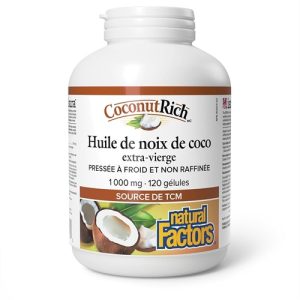
Huile de Noix de Coco
Several of the ingredients we covered — particularly fat-soluble vitamins and curcumin — require dietary fat for optimal absorption. Pure coconut oil provides medium-chain triglycerides that are rapidly metabolized for energy, and it can serve as a practical kitchen staple that supports the nutrient absorption strategies discussed throughout this article.
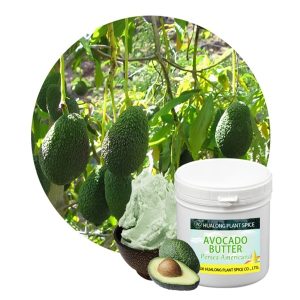
Avocado Butter
Natural wellness extends beyond what you consume internally. Avocado butter offers a nutrient-rich option for skin care and body care — supporting the external side of your wellness routine. Rich in vitamins E and D, it complements the internal nutrition strategies we have outlined for a more well-rounded approach to daily self-care.
How These Ingredients Work Together
One of the most common questions men ask is whether combining ingredients produces better results than taking any single one alone. The answer, based on the available evidence, is: it depends — but there is a reasonable rationale for combination approaches.
Each ingredient we have discussed targets a different aspect of male vitality. Ashwagandha primarily addresses the stress-cortisol pathway. Zinc and magnesium fill nutritional foundations. L-citrulline supports blood flow. Tongkat ali may influence free testosterone availability. When combined thoughtfully, these different mechanisms may complement each other in ways that a single-ingredient approach cannot.
That said, combining ingredients also means more variables to manage. Potential interactions between ingredients, overlap in effects, and the risk of exceeding recommended intakes for certain nutrients (especially zinc and fat-soluble vitamins) all need consideration. This is why consulting with a knowledgeable professional is valuable when building a multi-ingredient approach.
A practical rule of thumb: start with the foundations (zinc, magnesium, vitamin D) and confirm those are adequate before layering in more specialized ingredients. Then add one new ingredient at a time, give it 4-6 weeks, and evaluate before adding another.

Red Flags and Common Ingredient Pitfalls
Now that you understand what the good ingredients look like, here is how to spot the problematic ones.
🚨 Caution: The FDA has identified numerous men’s vitality supplements that illegally contained undeclared prescription drugs — including sildenafil and tadalafil (the active ingredients in Viagra and Cialis). These hidden drugs can cause dangerous interactions, especially with blood pressure and heart medications. Stick with transparent, reputable brands that clearly list every ingredient and dosage.
Proprietary blends without dosages. If a label says « Proprietary Male Vitality Blend: 1500mg » followed by a list of 12 ingredients — you have no way of knowing how much of each ingredient you are getting. The total might be 1500mg, but that could mean 1400mg of the cheapest ingredient and 10mg each of everything else.
« Clinically studied » without context. A product that says an ingredient is « clinically studied » is technically not lying — the ingredient may have been studied. But that does not mean the product contains the studied dose, uses the studied form, or was itself tested. Always check whether the dosage on the label matches what was actually used in research.
Exaggerated timeline promises. Any product claiming noticeable results in 24-48 hours for natural ingredients is either being dishonest or contains something it should not. Legitimate natural supplements need weeks of consistent use.
Testosterone « boosters » that only work during deficiency. As we discussed with zinc, many ingredients support testosterone only when levels are suboptimal. If your testosterone is already in the normal range, adding more zinc will not push it higher. Honest companies acknowledge this; less scrupulous ones do not.
Missing third-party testing. Reputable supplements carry verification from independent testing organizations — USP, NSF International, or Informed Sport. This verifies that what is on the label is actually in the bottle, and that there are no harmful contaminants.
Benefits and Honest Limitations
Let us be clear-eyed about what natural ingredients for men’s vitality can and cannot deliver.
What Natural Ingredients May Offer
- Addressing documented nutrient deficiencies that impact vitality
- Supporting the body’s natural hormonal and energy systems
- Generally well-tolerated with fewer side effects than pharmaceutical options
- Some ingredients backed by centuries of traditional use and growing research
- Can complement lifestyle improvements for a multi-factor approach
- Available without prescription for men not meeting clinical thresholds
Honest Limitations to Keep in Mind
- No natural ingredient can replicate the effects of testosterone replacement therapy
- Many studies are small, short-term, and need replication
- Individual responses vary significantly — what works for one person may not work for another
- Quality and dosing vary widely across brands
- Most need 4-8 weeks minimum for noticeable effects
- Potential interactions with medications always need checking
The men who get the most value from natural vitality ingredients are those who have realistic expectations, choose products with transparent labeling and adequate dosages, maintain consistent use, and combine supplementation with solid lifestyle habits. It is not a magic bullet — but for many men, it is a meaningful complement to an already-healthy foundation.
Choosing Quality — What the Label Should Tell You
Here is a practical checklist you can use when evaluating any men’s vitality product. Print this out or save it for your next shopping trip — whether online or in-store.
What to Check Before You Buy
- Individual ingredient dosages clearly listed (not hidden in proprietary blends)
- Key ingredients at doses that match what research has actually studied
- Standardized extracts specified (e.g., « KSM-66 Ashwagandha root extract, 5% withanolides »)
- Third-party testing seal (USP, NSF, or independent lab verification)
- Clear manufacturer contact information and batch traceability
- No claims that sound too good to be true (« guaranteed results, » « works in 24 hours »)
- Appropriate warnings about drug interactions, pregnancy, and pre-existing conditions
- Realistic expectations set by the company itself
At Dulson Sante, we carry products that meet these standards because we believe transparency builds trust. If you ever have questions about specific ingredients or products, our team is genuinely happy to help — contact us anytime.

Frequently Asked Questions
Which single ingredient has the strongest evidence for men’s vitality?
If we had to pick one, ashwagandha (KSM-66 extract) currently has the most robust body of human clinical evidence for stress reduction and vitality support in men. However, zinc is a close second for men who are deficient, since even mild zinc insufficiency can measurably impact testosterone levels. The best approach depends on your individual situation — which is why blood work and self-assessment are so valuable as a starting point.
Can I combine multiple vitality ingredients safely?
Generally yes, though caution is warranted. The main concerns are: zinc-copper balance (long-term high-dose zinc without copper can cause deficiency), total dosage of fat-soluble vitamins, and potential interactions with medications. A reasonable approach is to start with one ingredient, give it 4-6 weeks, then add a second. If you take prescription medications, always consult your doctor before combining supplements. Our curated product selection is designed with ingredient compatibility in mind.
How do I know if a supplement contains what it claims?
Third-party testing certifications are the most reliable indicator. Look for USP (United States Pharmacopeia), NSF International, or Informed Sport seals. These organizations independently verify that the product contains what the label states and is free from harmful contaminants. Products without any third-party verification require more trust in the manufacturer’s own quality claims.
Are there any natural ingredients men over 40 should avoid?
There are no universally dangerous natural ingredients for healthy men over 40, but certain precautions apply. Men on blood thinners should be cautious with high-dose omega-3, ginkgo biloba, and high-dose vitamin E. Those on blood pressure medication should check before using ashwagandha or tongkat ali. Men with hormone-sensitive conditions should consult their doctor before using any ingredient that may influence testosterone or estrogen metabolism. When in doubt, professional guidance is always the safest approach.
« The use of adaptogenic plants is claimed to increase the body’s resistance to biological, chemical, and physical stressors. Withania somnifera (ashwagandha) is one such adaptogen with a growing body of clinical evidence supporting its traditional use. »
— Journal of Ethnopharmacology, Review of Adaptogenic Herbs (2020)
🌿 Explore Our Natural Products
⚠️ Disclaimer: The information in this article is provided for educational purposes only and does not constitute medical advice. Always consult a qualified healthcare professional before starting any supplement or making changes to your health routine. Individual results may vary. These statements have not been evaluated by the Food and Drug Administration. This product is not intended to diagnose, treat, cure, or prevent any disease.