
Natural Support for Women’s Wellness: What to Know Before You Buy
The women’s supplement market is projected to reach $60 billion globally by 2027. With that much money at stake, honest information is harder to find than ever. This guide teaches you how to evaluate what you are actually buying.
In This Article
- Why the Women’s Supplement Market Needs Better Buyers
- What the FDA Does and Does Not Regulate
- Reading Labels: Proprietary Blends vs. Transparent Formulas
- Third-Party Testing: What NSF, USP, and GMP Actually Mean
- Evidence-Backed Botanicals for Women’s Wellness
- Red Flags That Should Make You Walk Away
- How to Match a Supplement to Your Actual Needs
- Mistakes Women Commonly Make When Buying Supplements
- Weighing the Benefits and Honest Limitations
- A Practical Pre-Purchase Checklist
- Frequently Asked Questions
Walk into any health store or browse any wellness website, and you will find hundreds of supplements marketed specifically to women. They promise better energy, balanced hormones, improved mood, glowing skin, and enhanced intimate wellness — often in pink packaging with vague claims. But how do you know which ones are actually worth your money?
The truth is that most women do not have the information they need to make an informed decision. Supplement labels are designed to sell, not to educate. Proprietary blends hide ingredient amounts. « Lab tested » can mean almost anything. And the language around « natural » and « plant-based » carries no regulatory weight at all. At Dulson Sante, we believe you deserve better than marketing disguised as health advice.
This article is not a product list. It is a framework — a genuine buyer’s education that will help you evaluate any supplement from any brand, including ours. We would rather you make an informed choice than a pressured one.

Why the Women’s Supplement Market Needs Better Buyers
ℹ️ Did You Know? According to the Council for Responsible Nutrition’s 2023 Consumer Survey, 74% of American adults take dietary supplements — and women are more likely than men to use them regularly. Yet fewer than 30% report reading supplement labels carefully before purchasing.
The supplement industry operates in a unique regulatory space. Unlike pharmaceutical drugs, supplements do not need to prove efficacy before reaching store shelves. They need to be safe (per the manufacturer’s determination), properly labeled, and they cannot make disease claims. That is a very different standard than what most consumers assume.
This creates an environment where marketing fills the gap that regulation leaves open. The brands with the biggest advertising budgets tend to dominate shelf space — not necessarily the brands with the best formulations. And the women who benefit most are the ones who learn to look past the front label and evaluate what is actually inside.
According to Wikipedia’s overview of women’s health, nutritional supplementation has a long and varied history in women’s wellness, ranging from evidence-supported uses (iron during pregnancy, calcium for bone health) to poorly substantiated ones. Knowing the difference is the skill this article is designed to build.
What the FDA Does and Does Not Regulate
Understanding the regulatory landscape is essential. Many women assume that supplements go through the same approval process as prescription drugs. They do not — and that is worth knowing before you buy anything.
What the FDA Does
The FDA regulates supplements under the Dietary Supplement Health and Education Act (DSHEA) of 1994. This means manufacturers must ensure their products are safe, properly labeled, and manufactured under good manufacturing practices (GMP). The FDA can take action against products that are adulterated (contaminated) or misbranded (false labeling).
What the FDA Does Not Do
The FDA does not review or approve supplements for effectiveness before they are sold. There is no pre-market approval process. The burden of proof for safety lies with the manufacturer, not a government agency. And the FDA’s enforcement is reactive — they investigate problems after they are reported, rather than preventing them proactively.
DSHEA 1994
The Dietary Supplement Health and Education Act — the foundational U.S. law governing how supplements are manufactured, labeled, and marketed
What this means for you as a buyer: « FDA compliant » does not mean « FDA approved. » Any supplement brand claiming FDA approval for their product is either misinformed or misleading you. The claim to look for instead is « manufactured in an FDA-registered, GMP-compliant facility » — which refers to the production standards, not the product itself.
This reality is not meant to scare you away from supplements. It is meant to shift the responsibility where it actually belongs: onto you as the buyer, armed with the right knowledge. And that is what the rest of this article provides.
Reading Labels: Proprietary Blends vs. Transparent Formulas
This is the single most important skill you can develop as a supplement buyer. The Supplement Facts panel tells you exactly what you are getting — if you know how to read it.
🔒 Proprietary Blend
- Lists ingredients but NOT individual amounts
- Only shows the total weight of the entire blend
- Makes it impossible to know if key ingredients are at effective doses
- Often used to hide under-dosing of expensive ingredients
🌿 Transparent Label
- Lists every ingredient with its exact amount per serving
- Allows you to verify doses against published research
- Makes it easy to compare products fairly
- Indicates the manufacturer stands behind their formulation
Here is a concrete example. Suppose a women’s wellness supplement lists a « Female Vitality Blend — 800 mg » containing ashwagandha, maca, damiana, and black cohosh. The total blend is 800 mg, but you have no idea how that is distributed. If ashwagandha research typically uses 300 to 600 mg as an effective dose, there might only be 50 mg in this blend — with the rest being cheaper fillers. You would never know.
💡 Good to Know: Ingredients on a proprietary blend label are listed in descending order by weight. The first ingredient is present in the highest amount. But without exact numbers, you still cannot verify whether any ingredient reaches a clinically relevant dose.
Our recommendation is straightforward: whenever possible, choose products that disclose individual ingredient amounts. It is the most reliable indicator that a brand is confident in their formulation and respects your right to make informed decisions.
Products With Transparent Formulations
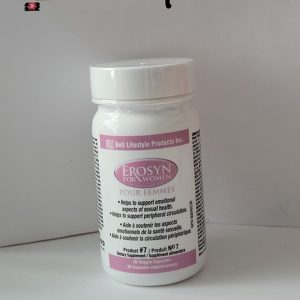
Erosyn For Women
The label-reading skills we just covered are exactly what we encourage you to apply to any product — including ours. Erosyn For Women is a 30-capsule vegetarian formula with plant-based ingredients traditionally associated with female vitality and mood balance. We invite you to examine the full ingredient panel before making a decision. Transparency is the standard we hold ourselves to.
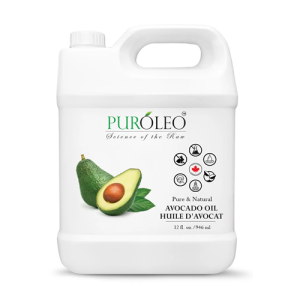
Puroleo
Natural oils offer a different pathway to wellness — topical self-care that supports relaxation and skin health. Puroleo is a concentrate of essential and plant oils formulated to soothe, protect, and nourish. If you are building a multi-faceted wellness routine, quality topical products may complement your internal supplementation strategy.
Third-Party Testing: What NSF, USP, and GMP Actually Mean
Third-party testing is the gold standard for supplement quality verification. But not all certifications are equal, and some claims are deliberately vague. Here is what the major ones actually mean.
| Certification | What It Verifies | What It Does Not Verify |
|---|---|---|
| NSF International | Product contains what the label says; no harmful contaminants; manufactured in GMP facility | Does not verify clinical effectiveness of the ingredients |
| USP (United States Pharmacopeia) | Ingredient identity, potency, purity, and dissolution; rigorous testing protocol | Does not test for efficacy or make health claims |
| GMP (Good Manufacturing Practices) | Facility follows standardized production, testing, and quality control protocols | Only certifies the process, not the specific product formulation |
| ConsumerLab | Independent testing for label accuracy, purity, and contamination | Voluntary program; not all products are tested |
The phrase « lab tested » alone means very little. Any company can send a sample to any lab and claim their product has been tested. What matters is who did the testing, what they tested for, and whether the results are available. Third-party certification from NSF or USP means an independent organization — one with no financial interest in the product — has verified that what is on the label matches what is in the bottle.
⚠️ Important: In 2023, the FDA warned consumers about several supplements found to contain undeclared pharmaceutical ingredients — including prescription drugs not listed on the label. Third-party testing is one of the most practical safeguards against this risk.
When evaluating a product, look for specific certification logos on the packaging. If a brand claims to be « third-party tested » but does not name the testing organization, ask them directly. Reputable brands will provide that information readily.
Evidence-Backed Botanicals for Women’s Wellness
Not all botanicals are created equal. Some have decades of research supporting their traditional uses. Others are riding a wave of marketing with minimal evidence. Here is an honest assessment of the most common ones you will encounter in women’s wellness products.
| Botanical | Traditional Use | Current Evidence Level |
|---|---|---|
| Ashwagandha (Withania somnifera) | Stress reduction, energy support, hormonal balance | Moderate — several RCTs support cortisol reduction and stress management |
| Maca root (Lepidium meyenii) | Energy, mood, and desire support | Moderate — some clinical trials suggest benefits for desire and mood |
| Black cohosh (Actaea racemosa) | Menopausal symptom relief | Mixed — some studies suggest benefit for hot flashes; others show no significant difference from placebo |
| Chasteberry (Vitex agnus-castus) | Menstrual cycle regularity, PMS symptom support | Moderate — German Commission E approved for PMS; several clinical studies support use |
| Red clover (Trifolium pratense) | Menopausal support via isoflavones | Limited — some evidence for hot flash reduction; long-term safety data incomplete |
| Evening primrose oil | PMS symptom relief, skin and hair health | Limited — clinical evidence is inconsistent for PMS; better support for skin applications |
Notice that even the better-studied botanicals carry qualifiers. « Moderate evidence » means there are published clinical trials showing positive results, but the research is not yet definitive. This is honest science — and it is very different from marketing copy that says « clinically proven. » If a product uses that phrase without citing specific studies, treat it as a red flag.
Communities like r/WomensHealth on Reddit often discuss real user experiences with these botanicals. While individual anecdotes are not scientific evidence, they can give you a sense of what other women have experienced — and what realistic expectations look like.
Red Flags That Should Make You Walk Away
Knowing what to avoid is just as valuable as knowing what to look for. These are warning signs that a product or brand is not operating in good faith.
Supplement Red Flags Checklist
- Claims to « cure, » « treat, » or « prevent » any disease — this violates FDA regulations
- Uses only a proprietary blend with no individual ingredient amounts disclosed
- Guarantees specific results (« lose 10 pounds in 2 weeks, » « restore desire in 3 days »)
- Features before-and-after photos with dramatic transformations
- Claims « FDA approved » (supplements are never FDA-approved for efficacy)
- No third-party testing certification identified on the label or website
- No way to contact the company (no phone number, email, or physical address)
- Requires a subscription that is difficult to cancel
- Uses celebrity endorsements without FTC-required disclosure language
🚨 Caution: The FDA has issued multiple warnings about supplements — including some marketed to women — that were found to contain undeclared pharmaceutical ingredients. If a product seems to work dramatically fast, that alone is reason for skepticism. Genuine nutritional support works gradually, not overnight.
None of this means you should avoid supplements entirely. It means you should approach the market as an informed buyer. The brands that deserve your trust are the ones that make it easy for you to verify their claims — not the ones that pressure you to buy before you have time to think.
Honest Products for Your Consideration
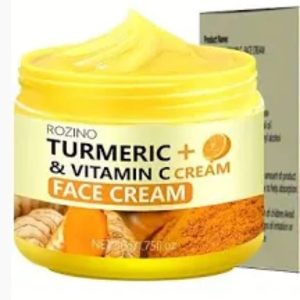
Rozino Turmeric
Turmeric is one of the most-researched botanicals for its potential anti-inflammatory and antioxidant properties — and we just discussed why evidence levels matter. Rozino Turmeric offers this ingredient in a straightforward supplement format. It may support your body’s natural response to everyday inflammation, especially when paired with a whole-foods-based diet.
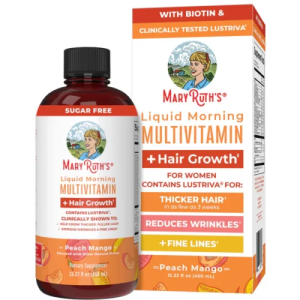
Liquid Morning Multi Vitamin
If you are starting with a foundation-first approach — which is what we recommend — a quality multivitamin addresses the most common nutrient gaps (B vitamins, zinc, vitamin D, magnesium) before layering in targeted botanicals. This liquid formula is designed for efficient morning absorption. Apply the label-reading skills from this article to evaluate it for yourself.
How to Match a Supplement to Your Actual Needs
The biggest gap in most supplement buying is the match between what you actually need and what you end up purchasing. Marketing creates desire for products that may not address your specific situation. Here is a framework for doing it right.
Step 1: Identify What You Are Trying to Support
Be specific. « I want to feel better » is too vague. « I want to improve my energy between 2 and 5 PM » or « I want to support my mood stability during stressful weeks » gives you a concrete target. Different goals require different ingredients and different approaches.
Step 2: Check Whether Lifestyle Changes Come First
If you are sleeping five hours a night, no supplement will compensate. If you are chronically dehydrated, a multivitamin will not fix your fatigue. Supplements are designed to fill gaps in an otherwise reasonable lifestyle — not to replace the fundamentals.
Step 3: Research the Relevant Ingredients
Use the botanicals table in this article as a starting point. Look for ingredients with at least moderate evidence for your specific goal. Check whether the product contains them at doses that match what was used in published research — not just at trace amounts.
Step 4: Verify Quality Markers
Third-party testing certification (NSF, USP). Transparent ingredient labeling with individual amounts. A real company behind the product with accessible customer support. These are non-negotiable quality markers.
Step 5: Set a Trial Period and Evaluate
Give any new supplement 6 to 12 weeks of consistent use before deciding whether it is working. Track your target symptom (energy, mood, comfort) using a simple journal. If you do not notice meaningful improvement after a fair trial, discontinue and reassess.
This framework takes more time than impulse buying, but it saves you money, protects your health, and gives you much better odds of finding something that actually works for your situation. You can contact our wellness team if you want help applying these steps to your specific needs.

Mistakes Women Commonly Make When Buying Supplements
Even well-intentioned buyers fall into predictable patterns. Recognizing these mistakes helps you avoid them.
Buying Based on a Friend’s Recommendation Alone
What works for someone else may not work for you. Different bodies, different hormonal profiles, different lifestyles, different nutritional gaps. A friend’s positive experience is worth noting, but it should be the start of your research — not the end of it.
Stacking Too Many Supplements at Once
Starting three or four new supplements simultaneously makes it impossible to identify which one is helping (or causing side effects). Start with one product, give it a proper trial period, and then consider adding a second. Sequential introduction is smarter than simultaneous overload.
Ignoring Drug Interactions
Many botanicals interact with medications — particularly blood thinners (warfarin), blood pressure drugs, diabetes medications, and hormonal contraceptives. Ashwagandha, for example, may interact with thyroid medications. Always disclose your supplement use to your healthcare provider, especially if you take prescription drugs.
Choosing the Cheapest Option Without Reading the Label
Price matters, but the cheapest product per bottle is not always the cheapest per effective dose. If a product costs half as much but contains one-quarter of the active ingredients, you are actually paying more for less. Calculate cost per serving at clinically relevant doses — not just cost per bottle.
⚠️ Important: Pregnant or nursing women should consult their healthcare provider before using any supplement. Many botanicals that are generally safe for non-pregnant adults have insufficient safety data for use during pregnancy or breastfeeding.
Weighing the Benefits and Honest Limitations
Supplements can be a genuinely useful part of a wellness strategy. But they are not magic, and pretending they are does everyone a disservice. Here is the honest picture.
Benefits
- May fill nutritional gaps that diet alone does not cover
- Plant-based botanicals offer gentle support with generally fewer side effects than pharmaceuticals
- Quality products provide transparent, verifiable ingredient information
- Can complement lifestyle changes for a more comprehensive approach
- Convenient and accessible — no prescription required for most formulas
Things to Consider
- Supplements cannot replace a healthy diet, adequate sleep, or regular movement
- Results are gradual — expect weeks to months, not days
- Quality varies dramatically across brands; not all products deliver what they promise
- Drug interactions are a real concern — always consult your healthcare provider
- The supplement market includes both excellent and exploitative products — buyer education is essential
The women who get the most value from supplements are the ones who treat them as one tool in a broader strategy — not the strategy itself. Lifestyle foundations come first. Targeted supplementation fills the remaining gaps. Medical guidance catches what both miss. That layered approach is what we advocate at Dulson Sante, and it is what the evidence supports.
Quality Additions for Your Wellness Routine
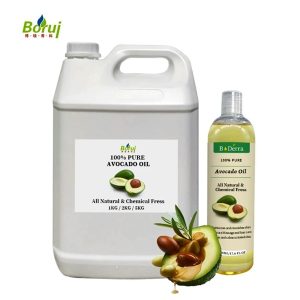
Avocado Oil
Not every wellness product needs to be a capsule. Avocado oil is rich in monounsaturated fats and vitamin E — nutrients we discussed for their role in mood support and skin health. Use it in cooking to enhance fat-soluble nutrient absorption, or apply topically as a nourishing skin treatment. Multi-use products like this offer practical versatility.
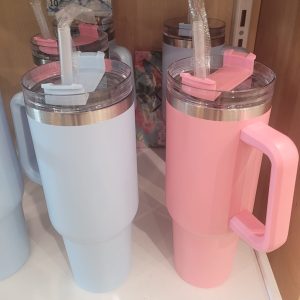
Insulated Bottle
We emphasized that lifestyle foundations — including consistent hydration — come before supplementation. This insulated tumbler with a handle and reusable straw helps maintain the hydration habit that supports everything else in your wellness routine. It is a small investment that supports a fundamental daily practice.
A Practical Pre-Purchase Checklist
Before you buy any women’s wellness supplement — from any brand — run through this checklist. Print it, save it, or screenshot it. It will serve you well for years to come.
Your Pre-Purchase Checklist
- Can you identify every ingredient and its exact amount on the label?
- Are the key ingredients dosed at levels consistent with published research?
- Does the product carry third-party testing certification (NSF, USP, or equivalent)?
- Is the manufacturer identifiable with accessible contact information?
- Does the product avoid disease claims (« cures, » « treats, » « prevents »)?
- Have you checked for potential interactions with any medications you take?
- Have you identified your specific wellness goal and confirmed this product targets it?
- Are you prepared to give it a 6-12 week trial before judging effectiveness?
- Have you confirmed that your lifestyle foundations (sleep, nutrition, movement) are in reasonable shape?
If you can answer yes to most of these questions, you are making an informed decision. If several are « no » or « I am not sure, » it is worth pausing and doing more research before purchasing. Your health deserves that extra step.
✅ Remember: The best supplement is the one that fits your actual needs, is backed by reasonable evidence, comes from a transparent manufacturer, and complements — rather than replaces — a healthy lifestyle. Everything else is marketing noise.
Frequently Asked Questions
Are « natural » supplements always safer than synthetic ones?
Not necessarily. « Natural » is an unregulated marketing term in the supplement industry. Some natural compounds can cause allergic reactions, interact with medications, or be harmful at high doses. Conversely, some synthetic forms of vitamins (like folic acid) are more bioavailable than their natural counterparts. Safety depends on the specific ingredient, the dose, and your individual health profile — not whether the label says « natural. »
How can I tell if a supplement is actually working?
Track the specific symptom or goal you are trying to address (energy levels, mood stability, sleep quality, intimate comfort) using a simple daily or weekly rating. Give the supplement 6 to 12 weeks of consistent use. If you notice a meaningful improvement in your tracked metric, it may be contributing positively. If not, discontinue and reassess. Journaling even a few words daily makes patterns much easier to spot.
Should I tell my doctor about the supplements I take?
Absolutely. Always disclose every supplement you use to your healthcare provider, especially if you take prescription medications. Many botanicals and nutrients interact with drugs in ways that can reduce medication effectiveness or increase side effects. Your doctor cannot help you make safe choices if they do not know what you are taking. You can browse our product catalog to review ingredient lists before your appointment.
Is it worth paying more for premium supplements?
Sometimes. Higher-priced products are not automatically better, but they are more likely to use quality-tested ingredients at effective doses, carry third-party certifications, and offer transparent labeling. Compare cost per serving at clinically relevant doses rather than just price per bottle. A cheaper product that under-doses every ingredient is not a bargain — it is a waste of money.
Can I take women’s wellness supplements alongside hormonal birth control?
This depends entirely on the specific ingredients. Some botanicals (like St. John’s wort) can reduce the effectiveness of hormonal contraceptives. Others (like ashwagandha or maca) have no known interaction. Always check individual ingredient interactions with your pharmacist or healthcare provider before combining supplements with any hormonal medication. This is one area where professional guidance is genuinely necessary.
« Dietary supplements are not intended to be a food substitute, as they cannot replicate all of the nutrients and benefits of whole foods. »
— National Institutes of Health (NIH), Office of Dietary Supplements

🌿 Explore Our Natural Products →
⚠️ Disclaimer: The information in this article is provided for educational purposes only and does not constitute medical advice. Always consult a qualified healthcare professional before starting any supplement or making changes to your health routine. Individual results may vary. These statements have not been evaluated by the Food and Drug Administration. This product is not intended to diagnose, treat, cure, or prevent any disease.