
Stress, Circulation, and Women’s Well-Being: The Overlooked Connection
Chronic stress does not just live in your head. It narrows your blood vessels, redirects circulation away from non-essential functions, and quietly undermines intimate comfort, tissue health, and overall vitality. Here is the mechanism most articles never explain.
In This Article
- Why Stress and Circulation Are Inseparable
- The Cortisol-Vasoconstriction Pathway Explained
- How Reduced Blood Flow Affects Women Specifically
- Pelvic Circulation: The Factor Nobody Talks About
- Signs That Stress May Be Affecting Your Circulation
- Movement Strategies That Support Blood Flow
- Breathing Techniques That Shift Your Nervous System
- Nutrients and Botanicals Traditionally Used for Circulation Support
- Common Mistakes and Honest Considerations
- Building a Circulation-Supportive Daily Routine
- Frequently Asked Questions
When women talk about how stress affects their bodies, the conversation usually centers on headaches, muscle tension, sleep trouble, or mood changes. Rarely does anyone mention blood flow. But circulation is one of the most direct and measurable ways that chronic stress affects physical well-being — including areas of your body that you might not immediately connect to your stress levels.
The mechanism is specific and well-documented in cardiovascular research, yet almost entirely absent from wellness content aimed at women. Cortisol drives vasoconstriction — a narrowing of blood vessels that reduces flow to non-essential tissues. Over time, this affects everything from skin health and temperature regulation to pelvic comfort and arousal. At Dulson Sante, we think this connection deserves far more attention than it currently receives.
This article breaks down exactly how stress reduces circulation, why women experience specific downstream effects, and what practical strategies — movement, breathing, targeted nutrients — may help restore healthier blood flow patterns. No vague « reduce stress » advice. Specific, actionable strategies grounded in physiology.

Why Stress and Circulation Are Inseparable
ℹ️ Did You Know? The American Institute of Stress reports that 77% of people regularly experience physical symptoms caused by stress. Cardiovascular effects — including changes in heart rate, blood pressure, and blood vessel diameter — are among the most immediate and measurable responses.
Your cardiovascular system is not a passive delivery network that simply pumps blood around your body on autopilot. It is dynamically regulated by your nervous system, hormonal signals, and emotional state — in real time. When you feel safe and relaxed, blood vessels dilate, flow increases, and peripheral tissues (skin, extremities, pelvic region) receive ample circulation. When you feel threatened or stressed, the opposite happens.
This response evolved for survival. When facing a physical threat, your body redirects blood away from non-essential functions (digestion, reproduction, skin repair) and toward large muscle groups (for fighting or running). The problem is that your body cannot distinguish between a predator and a demanding inbox. A work deadline triggers the same vasoconstriction as a physical threat — just at a lower, more sustained intensity.
According to broader research on women’s health and cardiovascular function, women may experience stress-related vascular changes differently than men, with emerging research suggesting that microvascular dysfunction (small vessel changes) is more prevalent and clinically significant in women than previously recognized.
That last point matters. The vessels most affected by stress-driven vasoconstriction are the small ones — capillaries and arterioles that serve the skin, the mucous membranes, the pelvic tissues, and the peripheral nerves. These are precisely the vessels that matter most for comfort, sensation, and intimate well-being.
The Cortisol-Vasoconstriction Pathway Explained
Let us get specific about the mechanism. Understanding how this works helps you understand why certain strategies are effective and others are not.
When your brain perceives stress — whether physical, emotional, or psychological — the hypothalamic-pituitary-adrenal (HPA) axis activates. The end product is cortisol, released from the adrenal glands. Cortisol has dozens of effects throughout the body, but its vascular effects are particularly relevant here.
What Cortisol Does to Your Blood Vessels
Cortisol increases the sensitivity of blood vessels to catecholamines (adrenaline and noradrenaline) — the neurotransmitters that cause vasoconstriction. It also reduces the production of nitric oxide, a molecule that normally signals blood vessels to relax and dilate. The combined effect: vessels that constrict more easily and dilate less readily.
Nitric Oxide
The key molecule that signals blood vessels to relax and dilate — chronic stress suppresses its production, reducing circulation to peripheral and pelvic tissues
The Sympathetic Nervous System Layer
Simultaneously, chronic stress keeps the sympathetic nervous system (the « fight or flight » branch) more active than it should be at rest. Sympathetic dominance directly constricts peripheral blood vessels and redirects flow toward core organs. This is why chronically stressed women often report cold hands and feet — it is a circulation signal, not just a temperature preference.
The Cumulative Effect
A single stressful day produces temporary vasoconstriction that resolves when the stress passes. But weeks or months of elevated cortisol create a sustained shift in vascular tone — your blood vessels settle into a more constricted baseline. This is the pattern that affects tissue health, sensation, and comfort over time. And because it builds gradually, most women do not connect it to their stress levels at all.
How Reduced Blood Flow Affects Women Specifically
Reduced peripheral and pelvic blood flow produces a range of effects that women experience but often attribute to other causes — aging, hormones, fatigue, or just « not feeling like themselves. » Here is what the research says about each.
| Area Affected | What Happens With Reduced Flow | What Women May Experience |
|---|---|---|
| Skin and peripheral tissues | Reduced nutrient delivery and waste removal | Dull skin, slower healing, cold extremities |
| Pelvic region | Reduced engorgement capacity | Reduced arousal response, decreased comfort |
| Mucous membranes | Reduced tissue hydration and elasticity | Dryness, discomfort, reduced sensitivity |
| Brain and cognitive function | Suboptimal cerebral perfusion | Brain fog, difficulty concentrating, mood fluctuations |
| Muscle tissue | Reduced oxygen delivery | Increased fatigue, slower recovery after activity |
What makes this particularly relevant for women is that many of these effects overlap with symptoms commonly attributed to perimenopause, hormonal changes, or simply aging. And while those factors are real, chronic stress-driven circulation changes can amplify or mimic them — making everything feel worse than it needs to be. Addressing the circulation component may improve comfort even when hormonal changes are also present.
💡 Good to Know: Research published in the American Journal of Obstetrics and Gynecology has documented that pelvic blood flow is directly correlated with subjective arousal in women. This is not a psychological phenomenon — it is a measurable vascular one. Supporting healthy circulation may therefore support intimate comfort in a tangible, physiological way.
Natural Support for Circulation and Well-Being
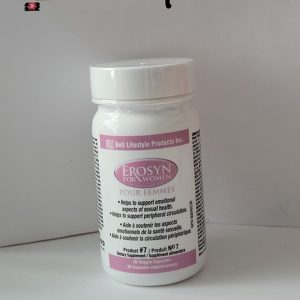
Erosyn For Women
The stress-circulation-comfort connection we just mapped out is exactly the pathway Erosyn For Women was formulated to support. This vegetarian capsule formula uses plant-based ingredients traditionally associated with female vitality and intimate comfort. Combined with the movement and breathing strategies we cover below, it may offer gentle, complementary support for women looking to address this overlooked connection.

Rozino Turmeric
Curcumin, the active compound in turmeric, has been studied for its potential to support nitric oxide production and healthy inflammatory responses — two factors we identified as central to stress-related circulation changes. Rozino Turmeric offers this well-researched botanical in a convenient daily format that may complement an anti-inflammatory lifestyle approach.
Pelvic Circulation: The Factor Nobody Talks About
Most wellness articles will tell you that stress affects desire. What they do not explain is the specific vascular mechanism — and that matters, because understanding the mechanism changes what solutions you choose.
Pelvic blood flow in women is governed by the same vascular dynamics as every other tissue, but with a few important distinctions. The pelvic vascular bed is particularly rich in smooth muscle and endothelial tissue that responds to nitric oxide signaling. When nitric oxide is adequate, these vessels dilate in response to appropriate stimulation, supporting engorgement, lubrication, and sensitivity. When nitric oxide is suppressed — by chronic cortisol, by inflammation, by sedentary behavior — these responses are blunted.
Communities like r/WomensHealth on Reddit are full of women describing exactly this experience without knowing the cause. « Everything works fine when I am relaxed and on vacation, but at home during a normal week, my body just does not respond the same way. » That pattern — context-dependent arousal response — is a hallmark of stress-mediated vascular changes. The hardware is fine. The vascular environment is the variable.
This is genuinely encouraging information. It means the issue is often functional (related to current conditions) rather than structural (permanent damage). Change the conditions — reduce chronic stress, improve circulation, restore nitric oxide availability — and the functional response may improve accordingly.
Signs That Stress May Be Affecting Your Circulation
Because circulation changes build gradually, they are easy to miss. Here are the signals worth paying attention to.
Circulation-Related Patterns to Watch For
- Chronically cold hands and feet, even in warm environments
- Skin that looks dull, dry, or heals slowly from minor cuts or blemishes
- Reduced sensitivity or comfort in intimate situations that does not correlate with hormonal changes
- Brain fog or difficulty concentrating that worsens during stressful periods
- Muscle fatigue or heaviness that seems disproportionate to your activity level
- Numbness or tingling in fingers or toes during or after stressful events
- Feeling noticeably more « alive » and responsive during vacations or relaxed weekends
⚠️ Important: While stress-related circulation changes are common and usually functional, persistent numbness, significant swelling, or sudden changes in skin color or temperature should be evaluated by a healthcare provider. These could indicate vascular conditions that require medical attention beyond lifestyle modifications.
If several of these signs are present and they correlate with your stress patterns (worse during busy periods, better during rest), the stress-circulation connection is a reasonable explanation to explore — and the strategies in the following sections are a good place to start.

Movement Strategies That Support Blood Flow
Exercise is the most potent natural circulation enhancer available. But the type of movement matters, and for circulation specifically, variety beats intensity.
Walking: The Underrated Circulation Foundation
Brisk walking for 20 to 30 minutes increases heart rate enough to improve systemic circulation without triggering a stress response. A study in Hypertension (2013) found that regular walking reduced arterial stiffness and improved endothelial function — the lining of blood vessels that produces nitric oxide — in women. It is free, accessible, and sustainable.
Yoga: Targeted Pelvic Circulation
Certain yoga poses — particularly hip openers like pigeon pose, bound angle pose, and deep squats — increase blood flow specifically to the pelvic region. Yoga also activates the parasympathetic nervous system, which promotes vasodilation. The combination of targeted positioning and nervous system regulation makes yoga uniquely effective for this particular issue.
Resistance Training: Vascular Remodeling
Moderate resistance training two to three times per week has been shown to improve vascular function and increase nitric oxide production. The mechanical stimulus of muscle contraction under load promotes angiogenesis (growth of new capillaries) and strengthens endothelial function. You do not need heavy weights — bodyweight exercises and resistance bands produce meaningful vascular benefits.
Movement Breaks: Combating Sedentary Constriction
Standing and moving for five minutes every hour counteracts the circulation-suppressing effects of prolonged sitting. Set a timer. Do a lap around the office, stretch at your desk, or do a few squats in the bathroom. These micro-breaks prevent the cumulative vasoconstriction that builds over a sedentary day.
The key insight: frequency matters more than intensity for circulation. Three 10-minute walks distribute more consistent circulation benefit throughout your day than one 30-minute intense session. Build movement into your daily architecture, not just your workout schedule. You can find additional wellness tips on our blog for more practical strategies.
Breathing Techniques That Shift Your Nervous System
Breathing is the only autonomic function you can consciously control. That makes it a direct lever for shifting from sympathetic (vasoconstriction) to parasympathetic (vasodilation) dominance.
The 4-7-8 Technique
Inhale through the nose for 4 counts, hold for 7 counts, exhale through the mouth for 8 counts. The extended exhale activates the vagus nerve — the primary parasympathetic pathway — and signals your blood vessels to dilate. Four cycles of this can produce a measurable shift in heart rate variability, a marker of nervous system balance.
Diaphragmatic Breathing
Place one hand on your chest and one on your belly. Breathe so that only the belly hand moves. This engages the diaphragm, which mechanically massages the vagus nerve and improves venous return from the abdomen. Five minutes of diaphragmatic breathing has been shown to reduce cortisol and improve peripheral blood flow in research published in Frontiers in Human Neuroscience (2017).
Box Breathing
Inhale for 4 counts, hold for 4, exhale for 4, hold for 4. Repeat. This is the technique used by Navy SEALs for acute stress management. It works by stabilizing the autonomic nervous system and breaking the sympathetic dominance cycle. It can be done anywhere — in a meeting, in traffic, before bed.
💡 Good to Know: Practicing any of these breathing techniques for just five minutes daily has been shown to reduce resting cortisol levels within two weeks. The effect is cumulative — the more consistently you practice, the more your baseline nervous system state shifts toward parasympathetic balance, which directly supports healthier circulation at rest.
Nutrients and Botanicals Traditionally Used for Circulation Support
Certain nutrients and plant compounds have been studied for their potential to support vascular function and nitric oxide production. Here is an honest overview of the most relevant ones.
| Nutrient / Botanical | Mechanism of Action | Evidence Level |
|---|---|---|
| L-arginine | Direct precursor to nitric oxide synthesis | Moderate — multiple studies support vasodilation effects |
| Curcumin (turmeric) | May support nitric oxide production and reduce vascular inflammation | Moderate — several RCTs show endothelial function improvements |
| Omega-3 fatty acids | May reduce vascular inflammation and improve endothelial function | Strong — extensive research supports cardiovascular benefits |
| Magnesium | Supports blood vessel relaxation and reduces cortisol | Moderate — deficiency is common and supplementation shows benefit in deficient populations |
| Vitamin C | Supports endothelial function and nitric oxide preservation | Moderate — may improve vascular function in stressed individuals |
| Beetroot / nitrates | Converted to nitric oxide in the body | Moderate — demonstrated blood pressure and flow improvements in clinical trials |
A food-first approach is always recommended. Beets, leafy greens, citrus fruits, nuts, fatty fish, and turmeric can all contribute to better vascular function as part of a balanced diet. Supplements may help when dietary intake is insufficient or when specific deficiencies are present — but they work best as a complement to, not a replacement for, real food.
⚠️ Important: If you take blood pressure medication, blood thinners, or any cardiovascular drugs, consult your healthcare provider before adding supplements that affect vascular function. Interactions between these supplements and medications are well-documented and can be clinically significant.
Common Mistakes and Honest Considerations
Understanding the stress-circulation connection is the first step. Avoiding the common pitfalls is the second.
🚨 Caution: Intense exercise during periods of high stress can actually worsen the problem. Heavy training elevates cortisol further, which can compound the vasoconstriction pattern rather than counteracting it. During high-stress periods, prioritize moderate, parasympathetic-activating movement over intense workouts.
Benefits of Addressing the Stress-Circulation Connection
- Targets a root cause rather than masking symptoms
- Movement and breathing techniques are free and immediately accessible
- Improvements in circulation benefit multiple systems simultaneously — skin, energy, mood, comfort
- The approach is sustainable and can be integrated into existing routines
- Nutritional support through whole foods aligns with broader health goals
Things to Consider Honestly
- Vascular changes from chronic stress take weeks to months to reverse — not days
- Some circulation issues may have medical causes (atherosclerosis, diabetes, thyroid conditions) that require professional diagnosis
- Supplements that affect blood flow can interact with cardiovascular medications
- Stress reduction is easier said than done when external circumstances are difficult to change
- Individual responses vary — what works for one woman may not work for another
The most common mistake is expecting quick results from strategies that work through gradual physiological adaptation. Breathing exercises shift your nervous system over weeks. Movement improves endothelial function over months. Nutritional support builds over consistent daily intake. If you have been chronically stressed for years, give your body proportional time to recalibrate. You can reach out to our team for support along the way.
Building a Circulation-Supportive Daily Routine
Here is a practical framework that incorporates the strategies we have covered. It is designed to be realistic for a busy life — not a wellness retreat.
| Time | Strategy | Circulation Benefit |
|---|---|---|
| Morning (first 30 min) | 5 min diaphragmatic breathing + sunlight + hydration | Cortisol rhythm regulation, parasympathetic activation |
| Mid-morning | 10-minute walk or standing break | Prevents sedentary vasoconstriction |
| Lunch | Colorful, omega-rich meal (salmon, greens, beets) | Nitric oxide support, anti-inflammatory nutrition |
| Mid-afternoon | 5-minute stretch + 4-7-8 breathing | Breaks cortisol accumulation, opens pelvic blood flow |
| After work | 20-minute yoga or moderate walk | Systemic vasodilation, parasympathetic activation |
| Evening | Warm bath or self-massage, screens off 45 min before bed | Peripheral vasodilation, nervous system wind-down |
Pick the two or three elements that feel most achievable for your current life and start there. Build the habit before expanding the routine. Consistency at 60% effort beats perfection at 100% effort for one week. Your vascular system responds to patterns, not events — and the pattern you set this month will shape how you feel three months from now.
✅ Key Takeaway: Stress does not just make you feel bad emotionally — it measurably reduces blood flow to the tissues that support comfort, vitality, and intimate well-being. The good news: the same strategies that reduce stress (movement, breathing, anti-inflammatory nutrition) also directly improve circulation. You do not need two separate plans — one approach serves both goals.
Frequently Asked Questions
Can stress really cause physical changes in blood vessels?
Yes. Cortisol and catecholamines (adrenaline, noradrenaline) released during stress directly cause vasoconstriction — a measurable narrowing of blood vessels. This is well-documented in cardiovascular research. Over time, chronic stress can shift your baseline vascular tone, meaning your blood vessels stay more constricted even at rest. Movement, breathing techniques, and anti-inflammatory nutrition may help reverse this pattern over weeks to months.
How is pelvic blood flow related to intimate comfort?
The tissues in the pelvic region depend on adequate blood flow for engorgement, lubrication, and sensitivity — all of which are fundamental to arousal and comfort. When circulation to this area is reduced (whether by stress, sedentary behavior, or other factors), these responses are blunted. This is a vascular issue, not a psychological one. Supporting healthy circulation through movement, stress management, and targeted nutrition may help restore normal function.
Which type of exercise is best for improving circulation?
A combination of moderate aerobic exercise (walking, swimming, cycling), yoga (particularly hip-opening poses), and light resistance training provides the most comprehensive circulation support. Frequency matters more than intensity — daily moderate movement is more beneficial for vascular function than occasional intense workouts. If you are currently sedentary, start with 10-minute walks and build from there. You can explore our wellness products for additional daily support.
Do breathing exercises really make a measurable difference?
Yes. Research published in Frontiers in Human Neuroscience and other journals has demonstrated that structured breathing exercises (particularly those with extended exhales) reduce cortisol levels, increase heart rate variability (a marker of parasympathetic activation), and improve peripheral blood flow — all within single sessions. The effects become more pronounced and sustained with daily practice over two or more weeks.
Should I see a doctor about circulation issues?
If you experience persistent numbness, significant color changes in your extremities, sudden swelling, or circulation symptoms that do not improve with lifestyle changes over 8 to 12 weeks, please consult a healthcare provider. Some circulation issues are related to medical conditions (thyroid disorders, diabetes, autoimmune conditions) that require professional diagnosis and treatment. Lifestyle strategies and medical care are complementary — not mutually exclusive.
« Endothelial dysfunction — the impaired ability of blood vessels to dilate properly — is now recognized as an early marker of cardiovascular risk and is significantly influenced by psychological stress. »
— Journal of the American College of Cardiology, Review of Endothelial Function and Stress, 2018

🌿 Explore Our Natural Products →
⚠️ Disclaimer: The information in this article is provided for educational purposes only and does not constitute medical advice. Always consult a qualified healthcare professional before starting any supplement or making changes to your health routine. Individual results may vary. These statements have not been evaluated by the Food and Drug Administration. This product is not intended to diagnose, treat, cure, or prevent any disease.