
Sugar Cravings, Energy Dips, and Metabolism: A Smarter Daily Routine
That 3 PM candy bar craving did not come from nowhere. It started with what you ate — or did not eat — at breakfast. Here is how to break the cycle with a routine that actually works.
In This Article
- The Craving-Crash Cycle Is Not About Willpower
- How Your Morning Meal Programs the Rest of Your Day
- The 2-3 PM Cortisol Dip: Why Afternoons Are the Danger Zone
- Evening Cravings Decoded: What Your Body Is Actually Asking For
- Building a Blood Sugar-Friendly Morning Routine (6-9 AM)
- The Midday Strategy: Lunch and Early Afternoon (11 AM – 2 PM)
- Navigating the Afternoon Slump Without Sugar (2-5 PM)
- Evening and Night: Winding Down Without the Pantry Raid (6-10 PM)
- Common Routine Mistakes That Make Cravings Worse
- Putting It All Together: Your Metabolic Day at a Glance
- Frequently Asked Questions
If you have ever found yourself standing in front of the pantry at 9 PM, reaching for something sweet despite eating a perfectly reasonable dinner two hours earlier, you already know that sugar cravings do not follow logic. They follow biochemistry. And the biochemistry of cravings stretches back much further than most people realize — often all the way to what happened at breakfast.
Here is what most articles about sugar cravings get wrong: they treat each craving as an isolated event. Eat more protein. Drink water. Distract yourself. Those tips are not bad, but they miss the bigger picture. Your energy and cravings throughout the day are connected in a metabolic narrative — a story that starts in the morning and plays out hour by hour. What you eat at 7 AM directly influences how you feel at 3 PM, which shapes what you reach for at 9 PM.
In this article, we are going to map out that full narrative — hour by hour — so you can see the connections and build a daily routine that works with your metabolism instead of against it. No extreme diets. No calorie counting. Just a practical framework grounded in how blood sugar, cortisol, and insulin actually interact throughout the day. If you are looking for products that may complement this kind of approach, you can explore our natural wellness collection at any time.

The Craving-Crash Cycle Is Not About Willpower
Let us get this out of the way early: if you struggle with sugar cravings and energy dips throughout the day, it is not because you lack discipline. It is because your body is responding to metabolic signals — signals that are shaped by what you eat, when you eat it, how well you slept, and how much stress you are under.
The craving-crash cycle follows a predictable pattern in many people. It goes something like this: you start the day with a carb-heavy or sugar-rich breakfast (or skip breakfast entirely). Blood sugar spikes quickly, followed by a sharp insulin response. Blood sugar drops rapidly. Your body registers the drop as an energy emergency and sends out craving signals — specifically for fast-acting glucose sources like sugar and refined carbs. You eat something sweet to feel better. Blood sugar spikes again. And the whole cycle repeats.
By 3 PM, you have ridden this roller coaster two or three times, and your body is running on compensatory mechanisms rather than steady fuel. By evening, your cortisol levels (which naturally decline through the day) combine with accumulated blood sugar instability to produce a perfect storm of cravings and low willpower.
Good to Know: According to Wikipedia’s coverage of blood sugar regulation, the hypothalamus — the brain region responsible for regulating hunger and satiety — responds directly to blood glucose levels. When glucose drops, it triggers hunger signals regardless of how recently you ate. This is why cravings feel so urgent and hard to override with logic alone.
Understanding this cycle is the first step toward breaking it. And breaking it does not require white-knuckling through cravings — it requires restructuring your day so the extreme spikes and drops that trigger those cravings simply do not happen.
Discover Natural Metabolic Support Products
How Your Morning Meal Programs the Rest of Your Day
Your first meal of the day does something that no other meal does: it sets the trajectory for your blood sugar curve for the next several hours. Think of it as programming the ride. A balanced first meal programs a gentle rolling hills course. A sugar-heavy first meal — or no meal at all — programs the roller coaster.
Here is why breakfast matters so much metabolically. Overnight, while you sleep, your liver slowly releases stored glycogen to maintain blood sugar levels for your brain and organs. By morning, those glycogen stores are partially depleted. Your cortisol levels are naturally at their highest point of the day — this is the cortisol awakening response, which is designed to mobilize energy and get you moving.
What you eat in this window interacts with that cortisol peak in important ways. A protein-and-fat-rich breakfast provides sustained fuel that works with the cortisol curve. A high-sugar breakfast — cereal, pastries, juice, sweetened coffee — dumps glucose on top of already-elevated cortisol, creating an exaggerated blood sugar spike that sets up the first crash of the day.
Sugar-Forward Breakfast
- Rapid blood sugar spike within 30 minutes
- Large insulin surge to compensate
- Blood sugar drops below baseline by 10-11 AM
- Craving for more sugar or carbs before lunch
- Sets up the afternoon crash
Protein-and-Fat-Forward Breakfast
- Gradual blood sugar rise
- Moderate, proportional insulin response
- Sustained energy through late morning
- Reduced likelihood of mid-morning cravings
- Smoother transition into lunch window
And skipping breakfast entirely? That is a more nuanced topic. Some people do well with intermittent fasting, particularly if they have good metabolic flexibility. But for people who are already on the craving-crash roller coaster, skipping breakfast often makes things worse. Without morning fuel, cortisol stays elevated longer, blood sugar regulation becomes less stable, and by the time you do eat, you are more likely to overeat or choose high-glycemic options because your body is running on empty.
6:00 – 9:00 AM
The metabolic window where your first meal has the greatest impact on the rest of your day’s blood sugar trajectory
The 2-3 PM Cortisol Dip: Why Afternoons Are the Danger Zone
If there is one hour of the day that makes or breaks most people’s relationship with sugar, it is somewhere between 2 and 4 PM. And the reason has less to do with what you ate at lunch and more to do with a fundamental feature of your circadian biology.
Cortisol follows a natural daily rhythm. It peaks in the early morning (that cortisol awakening response we mentioned), stays relatively elevated through the morning, and then begins a gradual decline through the afternoon and evening. Between 2 and 4 PM, cortisol drops through a level that many people experience as a noticeable dip in energy and alertness.
This cortisol dip happens regardless of what you ate. It is built into your biology. But — and this is critical — the severity of the dip and how much it affects you depends heavily on how stable your blood sugar has been throughout the morning. If you started the day with a balanced breakfast and ate a reasonable lunch with adequate protein and fiber, this cortisol dip might feel like a gentle shift. You might notice it but not be bothered by it.
If your blood sugar has been spiking and crashing all morning, that natural cortisol dip combines with the latest blood sugar drop to create what feels like hitting a wall. Your brain is simultaneously dealing with lower cortisol (less alertness) and lower glucose (less fuel), and it responds by sending out urgent craving signals for the fastest fuel source available: sugar.
Did You Know: The afternoon energy dip is often attributed to a large lunch, but research on circadian rhythms suggests it would happen even without eating lunch at all. The cortisol decline is a built-in feature of your 24-hour biological clock — a dip that lands right in the middle of most people’s workday. The goal is not to eliminate it but to minimize how much it derails you.
This is exactly why the morning matters so much. If you invest in a stable blood sugar foundation before noon, the afternoon dip becomes manageable. If you do not, it becomes the trigger for the craving cascade that carries through to bedtime.
Support Your Daily Metabolic Rhythm Naturally
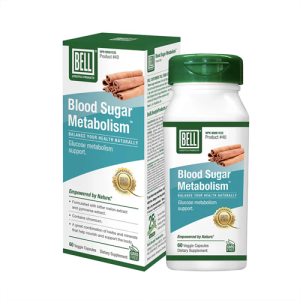
Blood Sugar Metabolism
The craving-crash cycle we just described often starts with blood sugar instability. This supplement combines chromium and gymnema — two natural ingredients studied for their potential to support healthy glucose metabolism — and may complement the balanced meal strategies outlined in this article.

Liquid Morning Multi Vitamin
Starting your day with a strong nutritional foundation may help your body handle the metabolic demands of the day ahead. This easily absorbed liquid multivitamin delivers essential vitamins and minerals — a practical addition to the morning routine framework we are building here.
Evening Cravings Decoded: What Your Body Is Actually Asking For
Evening cravings are often portrayed as a willpower problem — as if the right mental attitude could override the urge to raid the freezer for ice cream at 9 PM. But by the time evening rolls around, the craving is often the downstream result of metabolic decisions made hours earlier.
There are several factors converging in the evening that make cravings especially persistent:
Accumulated blood sugar instability. If your blood sugar has been spiking and dropping all day, your body enters the evening in a metabolically stressed state. It has been overproducing and underproducing insulin repeatedly, and it is looking for a quick energy fix. Sugar provides that fix faster than anything else.
Low cortisol. By evening, cortisol is at its lowest point in the 24-hour cycle. Cortisol, among its many roles, helps mobilize stored energy. With less cortisol available, your body relies more on incoming food for energy, which can amplify hunger signals.
Decision fatigue. This one is psychological but real. After a full day of making decisions — about work, meals, tasks, and everything else — your capacity for self-regulation is reduced. Researchers call this « ego depletion. » The same person who easily turns down a doughnut at 9 AM may find it nearly impossible to say no to cookies at 9 PM.
Habitual reward-seeking. For many people, evening food — especially sweet food — has become associated with relaxation and reward. After a stressful day, the brain seeks comfort, and sugar triggers dopamine release in the reward centers. Over time, this creates a habit loop that operates semi-independently of actual hunger.
| Time of Day | Cortisol Level | Blood Sugar Stability (Poor Routine) | Blood Sugar Stability (Smart Routine) | Craving Risk |
|---|---|---|---|---|
| 6-8 AM | Peak | Low (fasting) | Low (fasting) | Low |
| 9-11 AM | High | Spike then crash | Gentle rise, stable | Moderate vs Low |
| 12-2 PM | Moderate | Another spike-crash cycle | Steady with balanced lunch | Moderate vs Low |
| 2-4 PM | Declining | Crash meets cortisol dip | Mild dip, manageable | High vs Low |
| 6-9 PM | Low | Accumulated instability | Stable from balanced day | Very High vs Low |
The pattern is clear: evening cravings are largely the product of everything that happened earlier in the day. Fix the morning and afternoon, and the evening often takes care of itself.
Building a Blood Sugar-Friendly Morning Routine (6-9 AM)
Let us get practical. Here is a morning framework designed to set up stable blood sugar for the rest of the day. This is not a rigid meal plan — it is a set of principles you can adapt to your own preferences and schedule.
Upon Waking: Hydrate First
Before eating anything, drink a full glass of water. Overnight, your body loses moisture through breathing and sweating. Starting with water supports cellular function and digestion before food arrives. Some people add a squeeze of lemon, but this is purely a preference — it does not meaningfully affect blood sugar.
Breakfast (Within 60-90 Minutes of Waking): Lead with Protein
Aim for at least 20-30 grams of protein at breakfast. This could be eggs, Greek yogurt, cottage cheese, a protein shake, smoked salmon, or any other protein-rich food. Pair it with healthy fats (avocado, nuts, olive oil) and fiber-rich carbohydrates (berries, vegetables, whole grain toast). The protein-fat combination slows glucose absorption and provides sustained energy.
Morning Beverage: Be Careful with Coffee Timing
Coffee on an empty stomach can amplify cortisol’s blood sugar-raising effects. Consider having coffee with or after breakfast rather than before it. If you take a morning supplement routine, this is a natural time to include it — with food for better absorption.
The goal is not perfection. It is to front-load protein and fat early in the day so your blood sugar starts on a steady trajectory. Even small changes — like switching from cereal and juice to eggs and berries — can produce a noticeably different energy pattern by lunchtime.

The Midday Strategy: Lunch and Early Afternoon (11 AM – 2 PM)
If you built a solid morning foundation, lunch becomes much less critical as a rescue mission and more of a continuation. Here is how to keep the momentum going.
Do not wait until you are starving. If you find yourself ravenously hungry by noon, your morning meals may have been too small or too carb-forward. Ideally, you should arrive at lunch feeling ready to eat but not desperate — a sign that your blood sugar has remained reasonably stable.
Apply the same principle: protein and fiber first. Start your lunch with the protein and vegetable portions before eating starchier components. Some research suggests that this simple sequencing — eating protein and fiber before carbohydrates, even within the same meal — can reduce the post-meal blood sugar spike by a meaningful margin.
Watch liquid calories. Sodas, fruit juices, and sweetened teas with lunch can significantly amplify the blood sugar spike from your meal. Water, unsweetened tea, or sparkling water are better options from a blood sugar standpoint.
Consider a moderate-sized lunch rather than a large one. If afternoon energy is a concern, lighter lunches tend to produce smaller blood sugar excursions and less pronounced post-meal drowsiness. Save the larger meal for dinner when sleepiness is actually welcome.
Midday Metabolic Support Checklist
- Include at least 20-30 grams of protein at lunch
- Add fiber-rich vegetables as a significant portion of the plate
- If eating carbohydrates, choose whole-grain or complex options
- Drink water or unsweetened beverages with the meal
- Plan a 10-15 minute walk after eating if your schedule allows
- Avoid eating at your desk if possible — mindful eating supports better satiety signaling
Members of communities like r/Nutrition on Reddit frequently discuss the impact of meal timing and composition on afternoon energy. The consensus is remarkably consistent: protein-forward, fiber-rich meals produce more stable afternoons than carb-heavy ones, and a post-lunch walk is one of the most underrated tools available.
See Our Full Range of Wellness Products
Navigating the Afternoon Slump Without Sugar (2-5 PM)
This is the make-or-break window. The cortisol dip is here, and if your blood sugar is unstable, the cravings will come knocking. Here is how to navigate it.
Have a planned snack — not a reactive one. The difference between a planned afternoon snack and a reactive one is enormous. A planned snack is something you chose in advance — a handful of nuts with an apple, Greek yogurt with seeds, hummus with vegetables. A reactive snack is whatever you grab when cravings hit — usually something sweet, processed, and designed to cause another spike-crash cycle.
Get up and move. Physical movement — even five minutes of walking or stretching — can blunt the cortisol-blood sugar combination that creates the afternoon wall. It does not need to be exercise in the formal sense. Just getting vertical and moving around can shift your nervous system from sluggish to alert.
Expose yourself to bright light. If you work indoors, the afternoon slump may be partly related to light exposure. Bright light, particularly natural sunlight, signals alertness to your circadian system. A brief outdoor break between 2 and 3 PM can help — and it combines well with the movement recommendation above.
Hydrate. Mild dehydration mimics fatigue. By mid-afternoon, many people have not consumed enough water since morning. A glass of cold water can sometimes cut through the fog better than a snack.
Important: If your afternoon cravings are severe, consistent, and accompanied by symptoms like shakiness, sweating, heart palpitations, or anxiety that resolves after eating sugar, this may indicate reactive hypoglycemia. While not dangerous in most cases, it is a pattern worth discussing with your healthcare provider for proper evaluation.
Evening and Night: Winding Down Without the Pantry Raid (6-10 PM)
If you have followed a reasonably stable metabolic day — balanced breakfast, protein-rich lunch, planned afternoon snack — arriving at dinner without desperate cravings should be much more achievable. Here is how to close the day well.
Eat a satisfying dinner with adequate protein and fat. This is not the time to restrict. Undereating at dinner because you are trying to lose weight is one of the fastest routes to a 9 PM pantry raid. Eat enough to feel genuinely satisfied — not stuffed, but satisfied. Include protein, healthy fats, and vegetables. Carbohydrates at dinner are fine, particularly if they are complex carbs that digest slowly.
Close the kitchen with a clear endpoint. Having a defined « last food » time — whether that is 7 PM, 8 PM, or whatever works for your schedule — creates a boundary that helps break the habit of grazing throughout the evening. It does not need to be rigid, but having a general cutoff point reduces the opportunity for mindless snacking.
Address the underlying need. Evening cravings are often less about hunger and more about seeking comfort, relaxation, or reward after a long day. If you can identify the actual need — stress relief, entertainment, relaxation — and address it with something other than food (a walk, a book, a bath, calling a friend), the craving often loses its urgency.
If you genuinely need a snack, choose wisely. A small serving of protein or fat — a few squares of dark chocolate, a small handful of nuts, a piece of cheese — satisfies the desire for something tasty without restarting the blood sugar roller coaster. Avoid going back to high-sugar snacks that will spike your blood sugar right before bed, which can also disrupt sleep quality.
Benefit: A stable metabolic evening supports better sleep quality, and better sleep supports more stable blood sugar the following morning. This creates a positive feedback loop where each good day makes the next one easier. It is the opposite of the craving-crash cycle — a stability cycle that builds momentum over time.
Common Routine Mistakes That Make Cravings Worse
Even people who understand the theory sometimes fall into patterns that unintentionally sabotage their metabolic stability. Here are the most common mistakes we see.
Caution — Common Routine Mistakes: Skipping breakfast then overcompensating at lunch with a large carb-heavy meal. Drinking fruit juice or sweetened coffee as a « meal replacement » in the morning. Using sugar to fight the afternoon slump — which provides temporary relief but deepens the crash that follows. Over-restricting calories during the day and then binge-eating in the evening. Relying solely on caffeine for energy without addressing the underlying blood sugar instability. Going to bed too late, which disrupts cortisol rhythms and sets up the next day for failure.
The « I will be good all day and treat myself at night » pattern. This is perhaps the most insidious one. Restricting food intake all day creates a genuine caloric and metabolic deficit that your body compensates for in the evening. The « treat » is not really a treat — it is your body recovering from the day’s deprivation. If you eat adequately throughout the day, the evening urge to treat yourself often decreases dramatically.
Ignoring sleep. We cannot say this enough. Poor sleep impairs insulin sensitivity, increases cortisol, increases hunger hormones (ghrelin), decreases satiety hormones (leptin), and amplifies cravings for high-calorie, high-sugar foods. If you are doing everything right with nutrition but sleeping poorly, you are fighting against your own biology. For practical sleep support tips, our blog covers various wellness topics that may be helpful.
Thinking one « perfect day » will fix everything. Metabolic change is not about having one perfect day. It is about consistent patterns over time. A generally stable day with one imperfect choice is infinitely better than cycling between « perfect » and « fallen off the wagon. » Progress, not perfection, is what shifts your metabolic baseline.
Putting It All Together: Your Metabolic Day at a Glance
Let us consolidate everything into a single-page reference you can come back to.
| Time | Action | Why It Matters Metabolically |
|---|---|---|
| Upon waking | Full glass of water | Rehydration supports cellular function and digestion |
| Within 60-90 min | Protein-forward breakfast (20-30g protein + fats + fiber) | Sets a stable blood sugar trajectory for the morning |
| Mid-morning | Coffee with or after food (not before) | Avoids amplifying cortisol-driven blood sugar spike |
| Lunch (11-1 PM) | Balanced meal, protein and vegetables first | Maintains momentum; protein first may reduce post-meal spike |
| After lunch | 10-15 minute walk | Muscles absorb glucose independently of insulin |
| 2-3 PM | Planned snack (protein + fat) + movement + bright light | Counters the natural cortisol dip without a sugar spike |
| Dinner (6-7 PM) | Satisfying meal with protein, fats, vegetables, complex carbs | Prevents deprivation-driven evening cravings |
| Evening | Close the kitchen; address comfort needs with non-food options | Breaks the habit loop of emotional eating before bed |
| Before bed | Consistent sleep time; limit screens for 30+ minutes | Supports cortisol rhythm and insulin sensitivity for tomorrow |
What This Routine Supports
- More consistent energy throughout the day without extreme highs and lows
- Reduced frequency and intensity of sugar cravings — especially in the afternoon and evening
- Better alignment with your natural cortisol rhythm instead of working against it
- Improved sleep quality from stable blood sugar in the evening hours
- A sustainable framework that does not require calorie counting or food elimination
What This Routine Does Not Do
- It will not eliminate all cravings overnight — metabolic patterns shift gradually over weeks
- It does not address underlying medical conditions that require professional evaluation
- Stress, hormonal changes, and poor sleep can override even the best dietary routine
- Individual results vary — some people may need adjustments to timing or macronutrient ratios
- It is not a weight loss program — it is a metabolic stability framework
If you want personalized guidance on building a wellness routine that fits your specific lifestyle and goals, our team at Dulson Sante is available to help.
Frequently Asked Questions
How long does it take for a new routine to reduce sugar cravings?
Most people notice some improvement within the first week of consistently eating balanced, protein-forward meals. Significant reduction in cravings — where the afternoon slump feels more like a gentle dip than a wall — often takes two to three weeks of consistent practice. The key word is consistent. A few good days followed by a return to old patterns will not produce lasting change. Give it a solid three weeks before evaluating whether the approach is working for you.
Should I completely eliminate sugar from my diet?
No. Complete elimination of sugar is neither necessary nor sustainable for most people. Glucose is your brain’s primary fuel source — your body needs some. The goal is to reduce excessive refined sugar intake and focus on eating sugar in forms that digest slowly (whole fruits, complex carbohydrates paired with protein and fat). Small amounts of sugar as part of a balanced diet are not going to derail your metabolic health. Extreme restriction often backfires by creating a cycle of deprivation and binge eating.
Can supplements help reduce sugar cravings?
Some natural compounds — particularly gymnema sylvestre and chromium — have been studied for their potential effects on sugar cravings and blood sugar stability. Gymnema is traditionally known for reducing the perception of sweetness. Chromium may support insulin sensitivity. These supplements are best used as complements to the dietary and lifestyle strategies described in this article, not as replacements for them. Always discuss supplements with your healthcare provider, especially if you take medication.
Is it okay to have coffee in the afternoon to fight the energy dip?
A moderate amount of coffee in the early afternoon (before 2 PM) is unlikely to cause problems for most people. However, caffeine consumed too late in the day can disrupt sleep quality — which then impairs insulin sensitivity and increases cravings the following day. If you are going to use caffeine for the afternoon slump, keep it early and moderate. Better yet, try the non-caffeine strategies first (movement, hydration, bright light, planned snack) and see if they are sufficient.
« The circadian system influences glucose tolerance, and disruption of circadian rhythms — including irregular meal timing and sleep patterns — has been associated with metabolic dysfunction and increased risk of metabolic disorders. »
— Panda S., « The Circadian Code, » published findings reviewed in Cell Metabolism (2018)
Start Your Wellness Journey with Dulson Sante
Disclaimer: The information in this article is provided for educational purposes only and does not constitute medical advice. Always consult a qualified healthcare professional before starting any supplement or making changes to your health routine. Individual results may vary. These statements have not been evaluated by the Food and Drug Administration. This product is not intended to diagnose, treat, cure, or prevent any disease.