
Turmeric in a Natural Wellness Routine: What People Use It For and Why
Turmeric has been used for thousands of years across traditional medicine systems. But between the ancient wisdom and the modern marketing, the practical details often get lost. Here is what actually matters if you want to use it effectively.
In This Article
- Why Turmeric Keeps Coming Up in Wellness Conversations
- Curcumin: The Active Compound and What Research Says
- The Absorption Problem Nobody Talks About Enough
- Dosage in Kitchen Measurements, Not Just Milligrams
- Signs Your Body Might Respond Well to Turmeric
- Building a Food-First Turmeric Routine
- Turmeric Supplements: When Food Is Not Enough
- Common Mistakes and Misconceptions About Turmeric
- Benefits and Honest Limitations
- Cycling and Long-Term Use: What We Know
- Frequently Asked Questions
Open any natural wellness blog, walk into any health food store, or browse any supplement aisle, and turmeric will be there. Golden lattes, turmeric capsules, curcumin extracts, turmeric gummies — the golden spice has gone from a quiet kitchen staple to one of the most talked-about natural wellness ingredients on the planet.
And a lot of what is said about it is either incomplete or misleading. Some sources make it sound like turmeric cures everything. Others dismiss it entirely. The reality — as with most things in nutrition — sits firmly in the middle. Turmeric has real, research-backed properties worth paying attention to. But it also has significant absorption limitations, dosage nuances, and practical considerations that most articles gloss over.
At Dulson Sante, we believe in the food-first approach. That means starting with turmeric in your kitchen, understanding how to make it bioavailable, and only reaching for supplements when whole-food intake is not meeting your goals. This article bridges the gap between science and your actual daily routine — with specific measurements, timing, and honest boundaries about what turmeric can and cannot do.
Why Turmeric Keeps Coming Up in Wellness Conversations
ℹ️ Did You Know: Turmeric (Curcuma longa) has been used in Ayurvedic medicine for over 4,000 years and in Traditional Chinese Medicine for centuries. It was valued not just as a spice but as a medicinal herb — traditionally used for digestive support, skin conditions, and general inflammatory concerns. India remains the world’s largest producer, accounting for roughly 80% of global turmeric production.
The Western health world’s interest in turmeric accelerated in the early 2000s when researchers started publishing studies on curcumin — the primary bioactive compound in turmeric. PubMed now lists thousands of studies exploring curcumin’s potential effects on inflammation, oxidative stress, joint comfort, digestive health, and more.
That volume of research is both a strength and a source of confusion. There is enough data to say that curcumin has genuinely interesting biological properties. But many of those studies used concentrated extracts at doses far higher than what you would get from sprinkling turmeric on your food. And a significant number were conducted in cell cultures or animal models — not humans.
What this means practically is that turmeric is not a guaranteed solution for anything, but it is a legitimately promising natural compound that many people incorporate into their routines and report positive experiences with. The key is managing expectations, using it correctly, and understanding the difference between a spice in your curry and a standardized curcumin supplement.
~3%
Curcumin content by weight in standard turmeric powder — this is why absorption enhancement matters so much
Curcumin: The Active Compound and What Research Says
Turmeric contains hundreds of compounds, but curcumin is the one that gets the most research attention. It belongs to a family of compounds called curcuminoids, which together make up about 2-6% of turmeric powder by weight. Curcumin itself typically accounts for about 75% of that curcuminoid content.
Here is what the research landscape actually looks like — stripped of the marketing exaggeration:
| Area of Interest | What Research Suggests | Evidence Level |
|---|---|---|
| Inflammatory response | Curcumin may modulate NF-kB and COX-2 pathways, potentially supporting the body’s normal inflammatory response | Moderate — multiple human trials show promise, more research needed |
| Antioxidant activity | Curcumin appears to neutralize free radicals and may upregulate the body’s own antioxidant enzymes | Moderate — well-supported in laboratory studies, human data growing |
| Joint comfort | Some clinical trials suggest curcumin supplementation may support joint comfort, particularly in people with age-related joint stiffness | Moderate — several randomized controlled trials support this |
| Digestive support | Traditionally used for digestive comfort; some research suggests it may support gut barrier function | Preliminary — more human trials needed |
| Mood support | A few studies suggest curcumin may support mood balance, possibly through BDNF and serotonin pathways | Preliminary — results are mixed and dose-dependent |
| Cardiovascular support | Some research suggests curcumin may support endothelial function and healthy lipid levels | Preliminary — promising but not conclusive |
The honest takeaway: curcumin is not a miracle compound, but it is one of the most-studied natural substances in the world, and the direction of the evidence is generally positive across several health domains. The challenge is not whether curcumin has potential — it is whether your body can actually absorb enough of it to matter. Which brings us to the most important section of this article.
The Absorption Problem Nobody Talks About Enough
Here is the thing that separates genuinely helpful turmeric advice from the noise: curcumin, on its own, is poorly absorbed by the human body. Studies suggest that when you consume curcumin without any absorption enhancers, the vast majority passes through your digestive system without reaching your bloodstream in meaningful amounts.
This is the single most important fact about turmeric that most wellness articles underplay. It does not matter how much turmeric you consume if your body cannot absorb the curcumin in it.
💡 Good to Know: A landmark 1998 study published in Planta Medica found that piperine — the active compound in black pepper — increased curcumin bioavailability by approximately 2,000% in human subjects. This is not a small enhancement. It is the difference between barely detectable blood levels and clinically meaningful ones. Just a small pinch of black pepper can make this difference.
There are three practical strategies for improving curcumin absorption, and ideally you should use all three together:
1. Black pepper (piperine). As noted above, even a small amount of black pepper dramatically increases absorption. The mechanism is that piperine inhibits certain liver enzymes (specifically glucuronidation) that normally break down curcumin before it enters the bloodstream. Practically, this means adding a pinch of freshly ground black pepper whenever you use turmeric.
2. Dietary fat. Curcumin is fat-soluble. Consuming it alongside dietary fat — coconut oil, avocado oil, olive oil, or even the fat in a meal — helps dissolve the curcumin and improves its absorption through the gut lining. This is why traditional Indian cooking combines turmeric with ghee and oil — the combination was intuitively understood centuries before the science caught up.
3. Heat. Cooking turmeric appears to increase the solubility of curcumin, making it more available for absorption. Raw turmeric in a cold drink is not worthless, but simmered turmeric in a warm dish with fat and pepper is significantly more effective.
2,000%
Absorption increase with piperine (black pepper)
Fat-Soluble
Curcumin requires dietary fat for absorption
Heat Helps
Cooking increases curcumin solubility
The practical formula is simple: turmeric + black pepper + fat + heat = maximum absorption. Miss any one of those elements, and you are leaving benefits on the table.
Natural Turmeric and Wellness Support
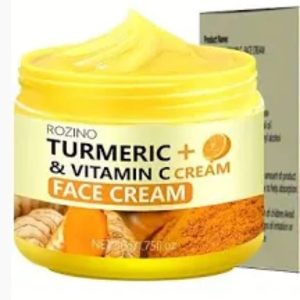
Rozino Turmeric
We just explained why curcumin absorption is the biggest challenge with turmeric. For those days when cooking with turmeric is not practical, Rozino Turmeric provides a concentrated curcumin formula designed for better bioavailability. It may complement the food-first approach we are building in this article — especially on busy days when your kitchen routine falls short.
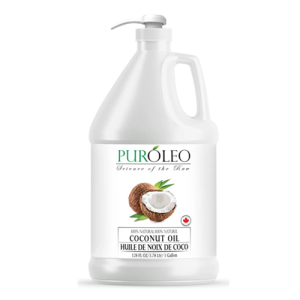
Puroleo Coconut Oil
The fat-for-absorption principle we covered above is where coconut oil becomes directly relevant to your turmeric routine. Sauteing turmeric in coconut oil with black pepper is one of the most effective ways to maximize curcumin bioavailability. This 100% pure coconut oil gives you a clean fat source to pair with your daily turmeric.
Dosage in Kitchen Measurements, Not Just Milligrams
One of the most frustrating things about turmeric research is that dosages are always reported in milligrams of curcumin — which is useless if you are standing in your kitchen with a spice jar and a teaspoon. So let us translate.
Standard turmeric powder contains roughly 3% curcumin by weight. One teaspoon of turmeric powder weighs about 3 grams. That means one teaspoon provides approximately 90 milligrams of curcumin.
| Kitchen Measurement | Weight | Approx. Curcumin | Context |
|---|---|---|---|
| 1/4 teaspoon turmeric | ~0.75 g | ~22 mg curcumin | Light seasoning for one serving |
| 1/2 teaspoon turmeric | ~1.5 g | ~45 mg curcumin | Moderate use for one dish |
| 1 teaspoon turmeric | ~3 g | ~90 mg curcumin | Standard daily culinary dose |
| 1 tablespoon turmeric | ~9 g | ~270 mg curcumin | Heavy cooking use (curry for 4) |
| 1 inch fresh turmeric root | ~5-7 g | ~150-200 mg curcumin | Fresh root for juicing or grating |
Most clinical trials use 500-2,000 milligrams of curcumin per day — which translates to approximately 6-22 teaspoons of turmeric powder daily. Obviously, nobody is going to eat that much turmeric in food. This is exactly why supplements exist — they provide concentrated curcumin at doses that food alone cannot practically deliver.
For a food-first approach, our recommendation is about 1 teaspoon of turmeric per day, combined with black pepper and fat. This provides a baseline of curcumin that, with proper absorption enhancement, contributes meaningfully to your daily intake. It may not reach clinical trial doses, but it establishes a foundation that many traditional cultures have maintained for centuries.
⚠️ Important: Turmeric in culinary amounts is generally considered safe for most adults. However, high-dose curcumin supplements may interact with blood-thinning medications (like warfarin), diabetes drugs, and some chemotherapy agents. If you take any prescription medications, consult your healthcare provider before starting a curcumin supplement. Always follow the dosage on the product label rather than self-prescribing.
Signs Your Body Might Respond Well to Turmeric
Not everyone needs turmeric in their routine, and not everyone will notice the same degree of benefit. Here are some indicators that turmeric might be a worthwhile addition to your daily habits — based on what research has explored and what practitioners commonly observe.
Consider Adding Turmeric If You
- Experience occasional joint stiffness, particularly after exercise or prolonged sitting
- Notice digestive discomfort that is not linked to a diagnosed condition
- Eat a diet relatively low in anti-inflammatory foods (fruits, vegetables, omega-3 fatty acids)
- Lead a sedentary lifestyle that may contribute to low-grade systemic inflammation
- Are looking for a natural way to support your body’s antioxidant defenses
- Want to incorporate more culinary spices into an otherwise bland diet
- Are interested in traditional Ayurvedic or Eastern dietary practices
Conversely, if you already eat a diverse, vegetable-rich, anti-inflammatory diet and feel great, adding turmeric is not going to produce a dramatic shift. It is a supporting player, not a headliner. The people who notice it most tend to be those whose diets and lifestyles leave room for improvement — and that applies to a lot of us, honestly.
Communities on wellness-focused Reddit communities frequently discuss personal turmeric experiences, and the feedback is remarkably consistent: gradual improvements in joint comfort and digestive ease over weeks to months, not overnight miracles. That timeline aligns with what the research suggests.
Building a Food-First Turmeric Routine
Here is where we get practical. These are specific, tested ways to incorporate roughly 1 teaspoon of turmeric into your daily diet — without your food tasting like a spice cabinet exploded.
Morning: Golden Scramble or Smoothie
Add 1/4 teaspoon turmeric plus a pinch of black pepper to scrambled eggs cooked in coconut oil or avocado oil. The fat from the oil and the eggs, combined with the pepper, creates ideal absorption conditions. If you prefer smoothies, blend 1/4 teaspoon turmeric with banana, mango, a splash of coconut milk, and a pinch of pepper. The fruit sweetness masks the turmeric’s earthiness.
Midday: Turmeric-Seasoned Lunch
Add 1/4 to 1/2 teaspoon turmeric to rice while cooking (it turns a beautiful yellow), stir it into soup or stew bases, or sprinkle it over roasted vegetables before they go in the oven. Always include a fat source and a crack of black pepper. Turmeric pairs particularly well with cauliflower, sweet potatoes, chickpeas, and lentils.
Afternoon or Evening: Golden Milk
Warm 1 cup of milk (dairy or plant-based) with 1/2 teaspoon turmeric, a generous pinch of black pepper, 1/2 teaspoon coconut oil, and optional honey or maple syrup to taste. Simmer gently for 3-4 minutes — the heat increases curcumin solubility. This is probably the single most popular turmeric preparation worldwide, and it covers all three absorption enhancers at once.
Weekly: Turmeric Paste (Batch Prep)
Mix 1/4 cup turmeric powder with 1/2 cup water and 1 teaspoon black pepper in a small saucepan. Heat gently while stirring until it forms a thick paste. Store in a glass jar in the refrigerator — it keeps for about two weeks. Use 1/2 to 1 teaspoon of this paste daily in golden milk, curries, or smoothies. Making it ahead removes the daily measuring hassle.
The beauty of the food-first approach is that you are getting turmeric in its natural matrix — alongside other beneficial compounds in the spice, with real food that your body knows how to process. If you want to explore the broader benefits of natural oils that support this kind of routine, our shop has several options worth checking out.
Complete Your Daily Wellness Foundation
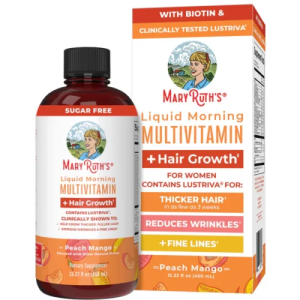
Liquid Morning Multi Vitamin
A turmeric routine works best as part of a broader nutritional foundation. This liquid multivitamin pairs naturally with the food-first approach we have been building — take it with your turmeric-seasoned breakfast, and the fats in your meal may help enhance absorption of the fat-soluble vitamins it contains.

Insulated Bottle
Golden milk does not have to stay at home. This insulated bottle keeps warm drinks at temperature for hours — making it practical to prepare your turmeric golden milk in the morning and sip it throughout the day. Consistent daily use is what makes the difference with turmeric, and portable options help with that consistency.
Turmeric Supplements: When Food Is Not Enough
Let us be straightforward: if you are looking for the curcumin doses used in clinical trials — typically 500-2,000 milligrams per day — food alone will not get you there. That is where supplements come in.
Turmeric supplements differ from turmeric powder in one critical way: they typically contain standardized curcumin extracts, often at 95% curcuminoids, rather than the 2-6% found in whole turmeric. This concentration means you can get clinically relevant doses in one or two capsules.
What to look for in a turmeric supplement:
- Standardized curcuminoid content: Look for at least 95% curcuminoids on the label, with a clear milligram count per serving.
- Built-in absorption enhancer: Quality formulas include piperine (BioPerine is a common branded form) or use other bioavailability technologies like phytosome complexes or nano-curcumin.
- Third-party testing: Look for USP, NSF, or ConsumerLab verification. This confirms that what is on the label is actually in the capsule.
- Clear dosage information: The label should tell you exactly how much curcumin per serving, not just « turmeric root extract. »
The food-first approach remains our primary recommendation at Dulson Sante. But for people dealing with specific joint, digestive, or inflammatory concerns — under the guidance of their healthcare provider — a quality turmeric supplement can provide curcumin levels that food cannot practically match. Think of it as a complement to your kitchen turmeric, not a replacement for it.
Common Mistakes and Misconceptions About Turmeric
After working with turmeric products and talking with customers about their experiences, we have identified the errors that trip people up most often.
🚨 Caution: Taking high-dose curcumin supplements without telling your doctor is risky if you are on blood-thinning medications (warfarin, aspirin, clopidogrel), diabetes medications, or undergoing chemotherapy. Curcumin may interact with these treatments, potentially amplifying their effects. Always disclose all supplements to your healthcare provider.
Mistake #1: Skipping the black pepper. We cannot overstate this. Without piperine from black pepper, curcumin absorption drops dramatically. Every time you use turmeric — in food or as a supplement — make sure black pepper is involved. It takes literally a pinch.
Mistake #2: Taking turmeric on an empty stomach. Curcumin is fat-soluble. Taking it without food — especially without fat — means most of it passes through you unabsorbed. Always pair it with a meal that contains some form of dietary fat.
Mistake #3: Expecting overnight results. Turmeric is not a painkiller or an anti-inflammatory drug. Its effects, if they come, tend to build gradually over weeks to months of consistent use. People who take it for two days, notice nothing, and quit are not giving it a fair trial.
Mistake #4: Confusing turmeric powder with curcumin supplements. Standard turmeric powder is approximately 3% curcumin. A 500 mg curcumin capsule provides the equivalent curcumin of roughly 5-6 tablespoons of turmeric powder. These are fundamentally different levels of intake, and you should not expect powder to deliver the same results as concentrated extracts.
Mistake #5: Ignoring the staining potential. Turmeric permanently stains clothing, countertops, cutting boards, and light-colored cookware. Use stainless steel or dark-colored utensils. If you spill it on fabric, treat it immediately — once it sets, the stain is nearly impossible to remove. This is a minor point, but one that catches people off guard repeatedly.
For personalized guidance on incorporating turmeric into your routine, reach out to our wellness team — we are happy to help you figure out what makes sense for your situation.
Benefits and Honest Limitations
Let us lay out the full picture so you can make an informed decision about whether turmeric deserves a place in your routine.
Benefits
- One of the most-researched natural compounds with thousands of published studies
- May support the body’s natural inflammatory response when used consistently
- Antioxidant properties may help protect cells against oxidative stress
- Some clinical evidence supporting joint comfort and digestive wellness
- Safe in culinary amounts for most adults
- Food-first approach integrates easily into everyday meals
- Long history of traditional use across multiple cultural medicine systems
- Affordable as a kitchen spice — cost-effective daily habit
Things to Consider
- Very poor absorption without black pepper and dietary fat
- Culinary amounts provide far less curcumin than clinical trial doses
- Results are gradual — weeks to months, not days
- May interact with blood thinners, diabetes medications, and chemotherapy
- High doses may cause digestive discomfort in some individuals
- Not recommended in supplement form during pregnancy without medical guidance
- Stains everything it touches — from countertops to clothing
- Not a replacement for prescribed medical treatment
Discover Our Natural Wellness Products →
Cycling and Long-Term Use: What We Know
A question that comes up often: should you take turmeric every day indefinitely, or should you cycle it — taking breaks periodically?
The honest answer is that there is no definitive research establishing whether cycling turmeric or curcumin is necessary or beneficial. What we do know:
💡 Good to Know: In traditional Ayurvedic practice, turmeric is generally used as a daily dietary staple rather than cycled on and off. Populations in India and Southeast Asia that consume turmeric regularly in food have done so for centuries without reported adverse effects from continuous use. This suggests that culinary-level turmeric intake is safe as a long-term daily habit.
For curcumin supplements at higher doses, some practitioners suggest a reasonable approach: take your supplement daily for 8-12 weeks, then take a 2-4 week break to assess how you feel without it. This is not based on toxicity concerns — it is a practical self-monitoring strategy that helps you determine whether the supplement is actually contributing to how you feel, or whether you would do just as well without it.
If you notice a meaningful difference when you stop — more stiffness, less digestive comfort, lower overall well-being — that tells you the curcumin is doing something worthwhile for you. If you notice no change, you may not need the supplement at all, and the food-based approach may be sufficient.
Either way, the kitchen-based turmeric habit — 1 teaspoon daily with black pepper and fat — is something you can maintain indefinitely with confidence. It is food, not medicine, and it has a safety track record that spans millennia.
Want to explore the products that support this kind of natural routine? Visit our blog for more wellness guides, or browse our full collection of natural supplements and oils.

Frequently Asked Questions
How much turmeric should I take daily?
For a food-first approach, about 1 teaspoon of turmeric powder daily — combined with a pinch of black pepper and a source of dietary fat — is a practical and widely-used amount. This provides approximately 90 milligrams of curcumin. Supplement doses vary, but common ranges in research are 500-2,000 milligrams of curcumin per day. Always follow the dosage on your supplement label and discuss higher doses with your healthcare provider, especially if you take medications.
Can I take turmeric if I am on blood thinners?
Curcumin may have mild blood-thinning properties, which could amplify the effects of medications like warfarin, aspirin, or clopidogrel. Culinary amounts of turmeric are generally not a concern, but concentrated curcumin supplements at high doses could potentially interact. Always consult your doctor or pharmacist before adding a curcumin supplement if you take any anticoagulant medication. You can reach out to our team for product-specific information.
Is fresh turmeric root better than powder?
Fresh turmeric root contains a wider range of compounds (volatile oils, water-soluble nutrients) that are partially lost during drying. However, powder is more concentrated in curcumin per gram because the water content has been removed. Both have their place: fresh root is excellent for juicing, grating into stir-fries, and making fresh golden paste. Powder is more convenient for daily cooking and has a longer shelf life. There is no definitive evidence that one form is dramatically superior to the other for overall health benefits.
Does turmeric tea without black pepper still work?
It still provides some compounds, but the curcumin absorption is dramatically lower without black pepper. If you are drinking turmeric tea primarily for the flavor and warmth, that is perfectly fine. But if you are consuming it specifically for curcumin’s potential benefits, adding a pinch of black pepper and a splash of coconut milk (for fat) will make a meaningful difference in what your body actually absorbs.
How long does it take to notice benefits from turmeric?
Most people who report benefits from consistent turmeric use describe gradual changes over 4-8 weeks, with more noticeable effects at the 8-12 week mark. Joint comfort improvements tend to be the most commonly reported early benefit. Digestive effects may appear sooner for some individuals. Turmeric is not a fast-acting substance — consistency over time is what matters. If you have been using it daily for 3 months and notice no difference, it may not be the right fit for your particular situation.
« Curcumin is pharmacologically safe, as demonstrated by clinical trials in humans showing no dose-limiting toxicity when administered at doses up to 8 g per day for three months. However, its poor bioavailability remains the major concern in its therapeutic efficacy. »
— Aggarwal and Harikumar, International Journal of Biochemistry and Cell Biology, 2009
🌿 Explore Our Natural Products →
⚠️ Disclaimer: The information in this article is provided for educational purposes only and does not constitute medical advice. Always consult a qualified healthcare professional before starting any supplement or making changes to your health routine. Individual results may vary. These statements have not been evaluated by the Food and Drug Administration. This product is not intended to diagnose, treat, cure, or prevent any disease.